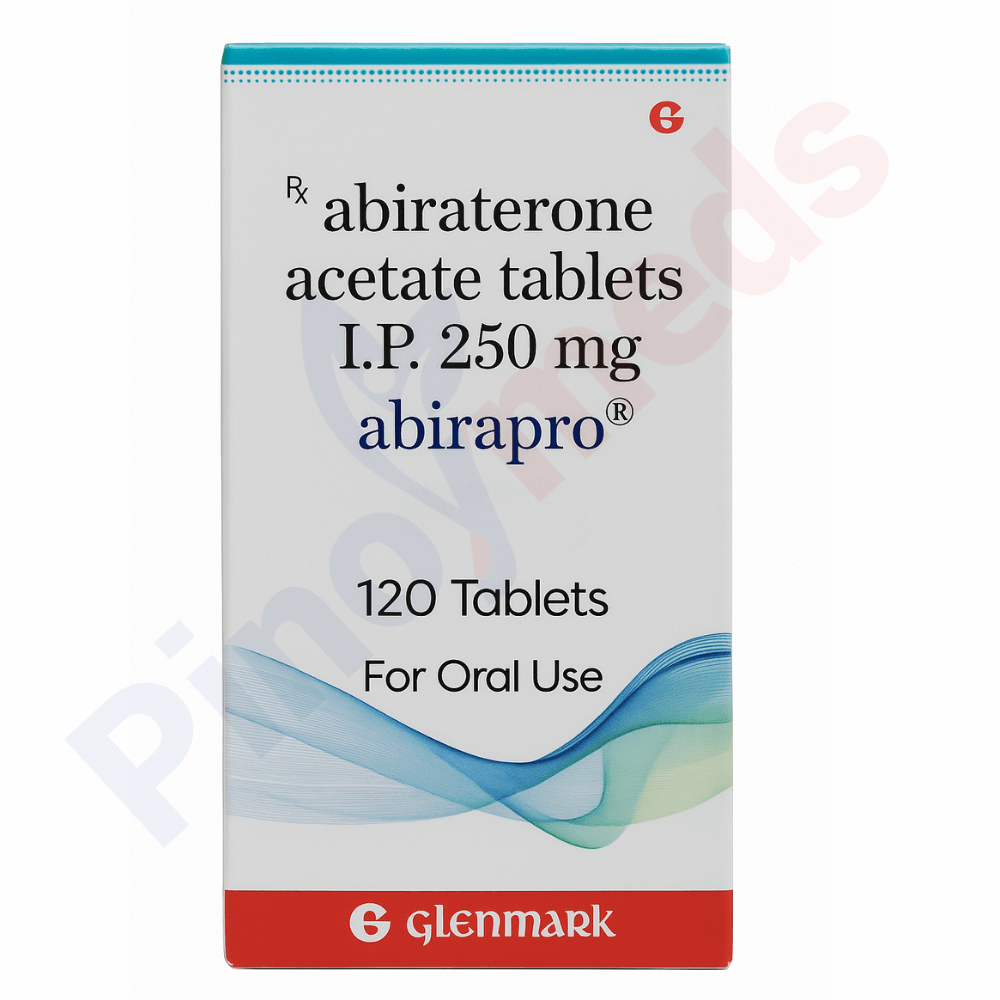
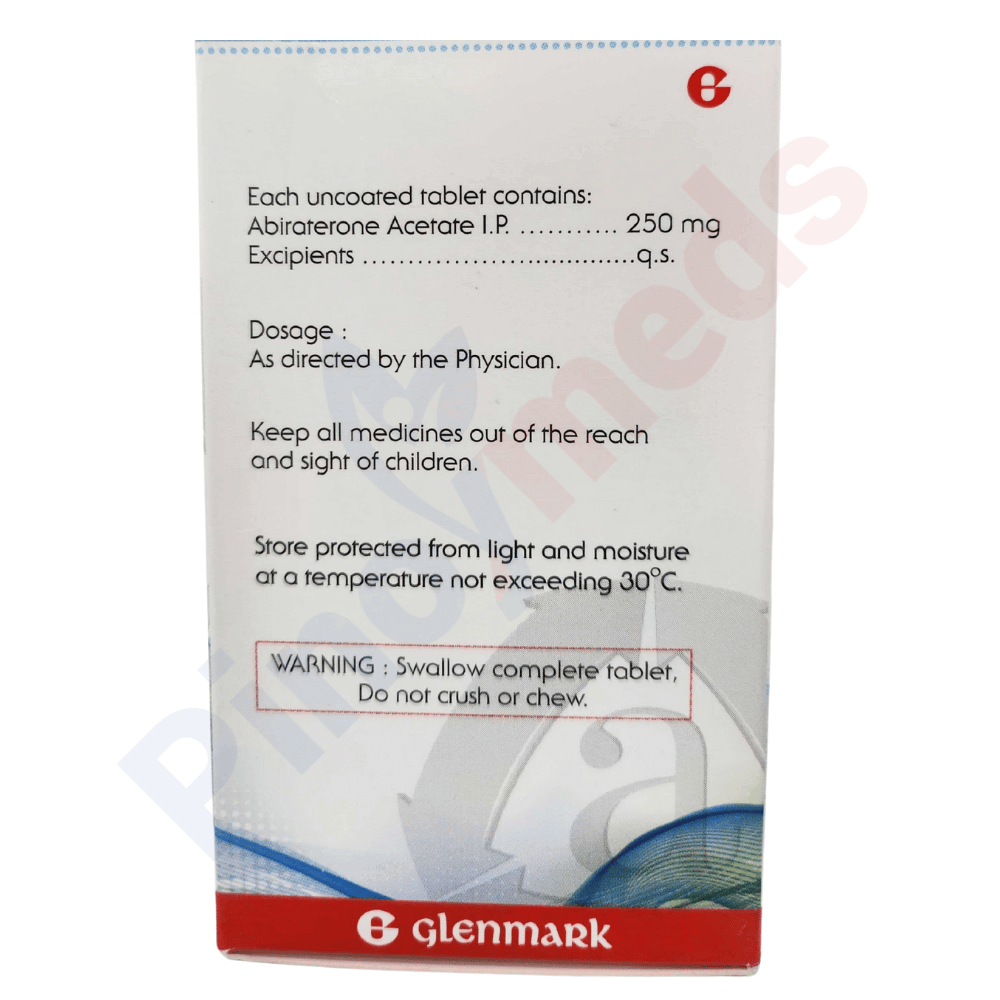
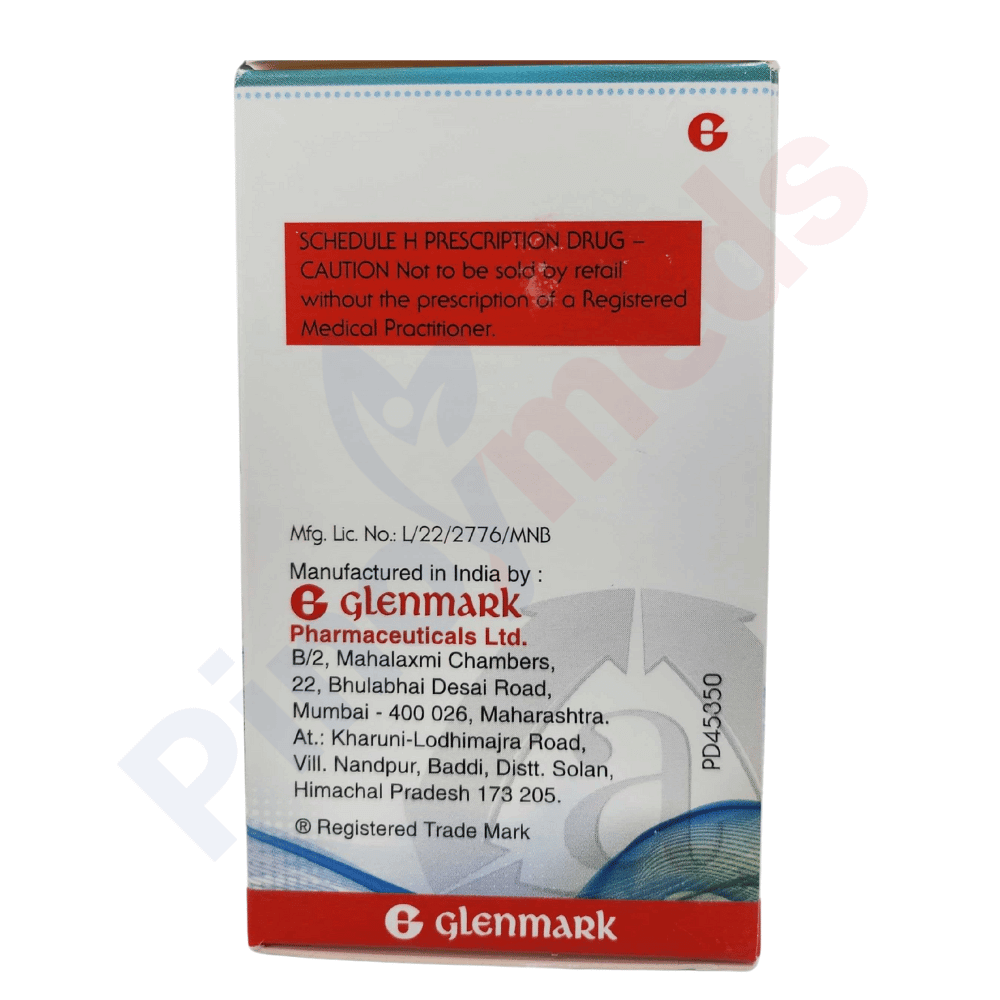
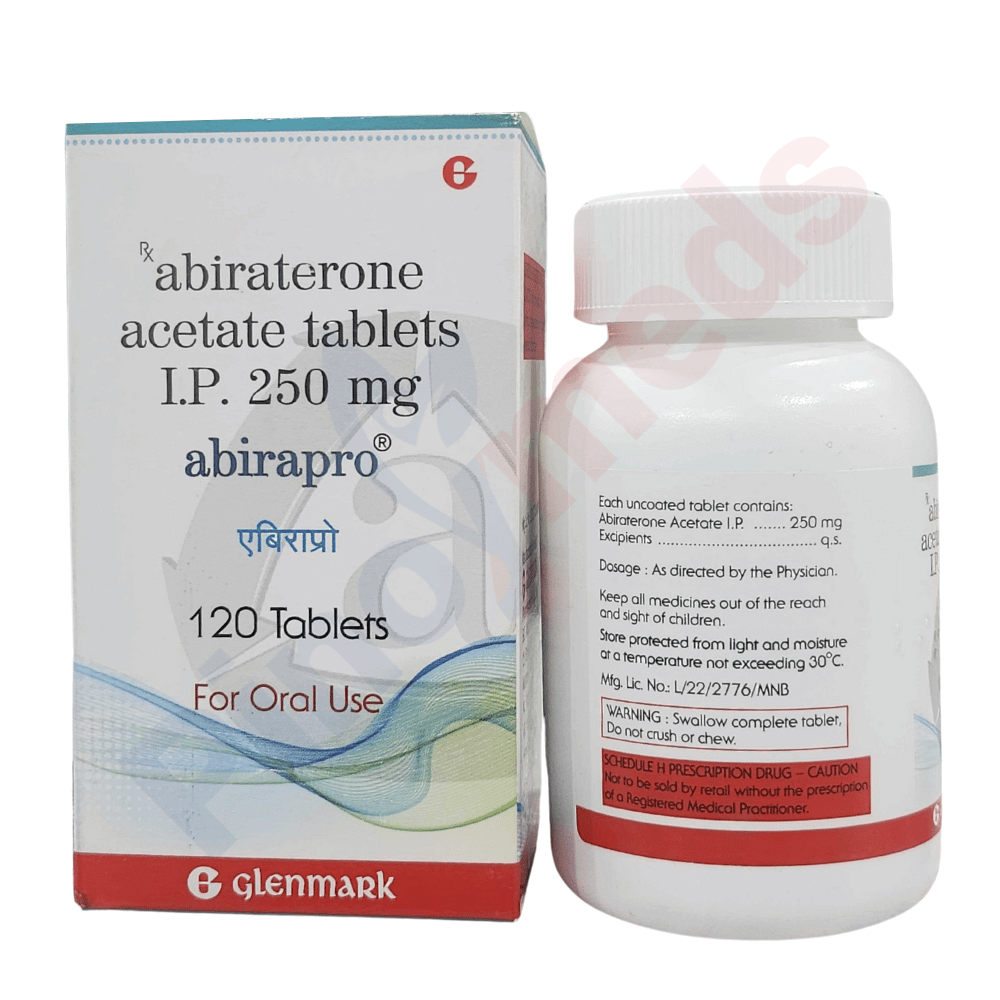
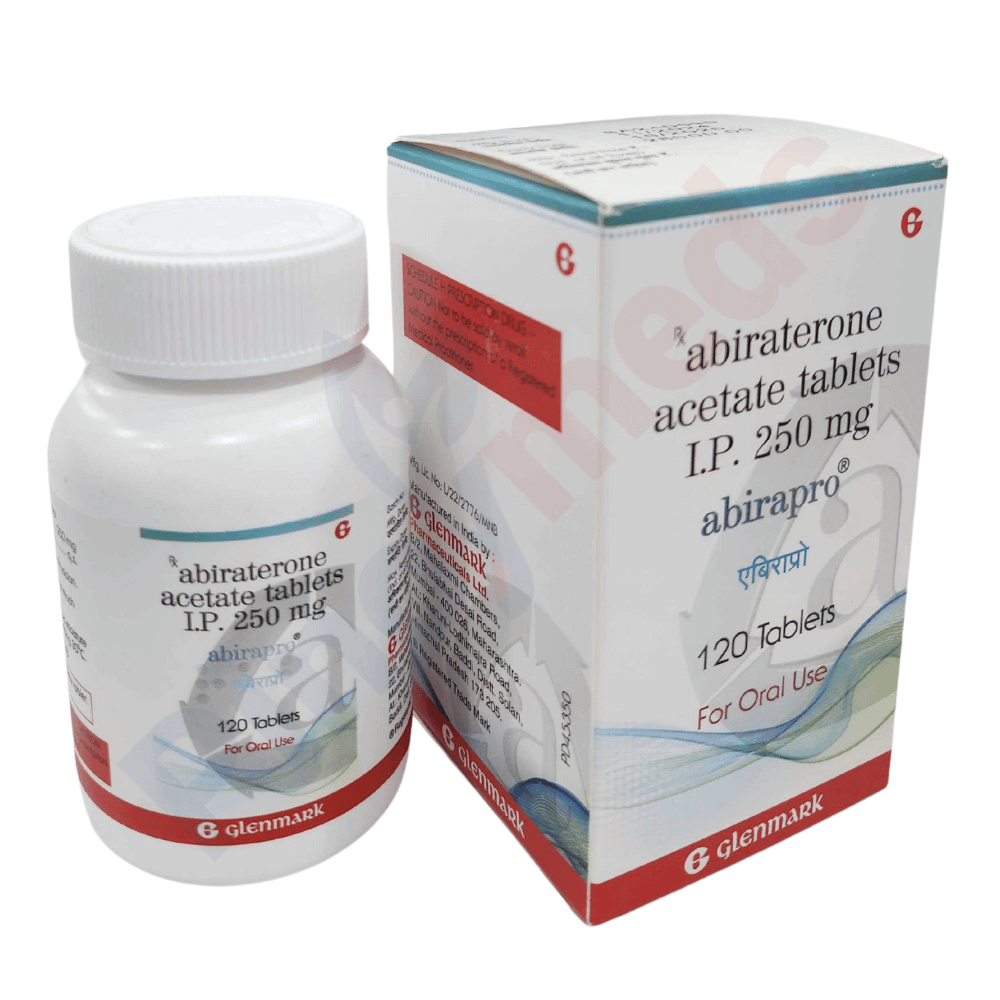
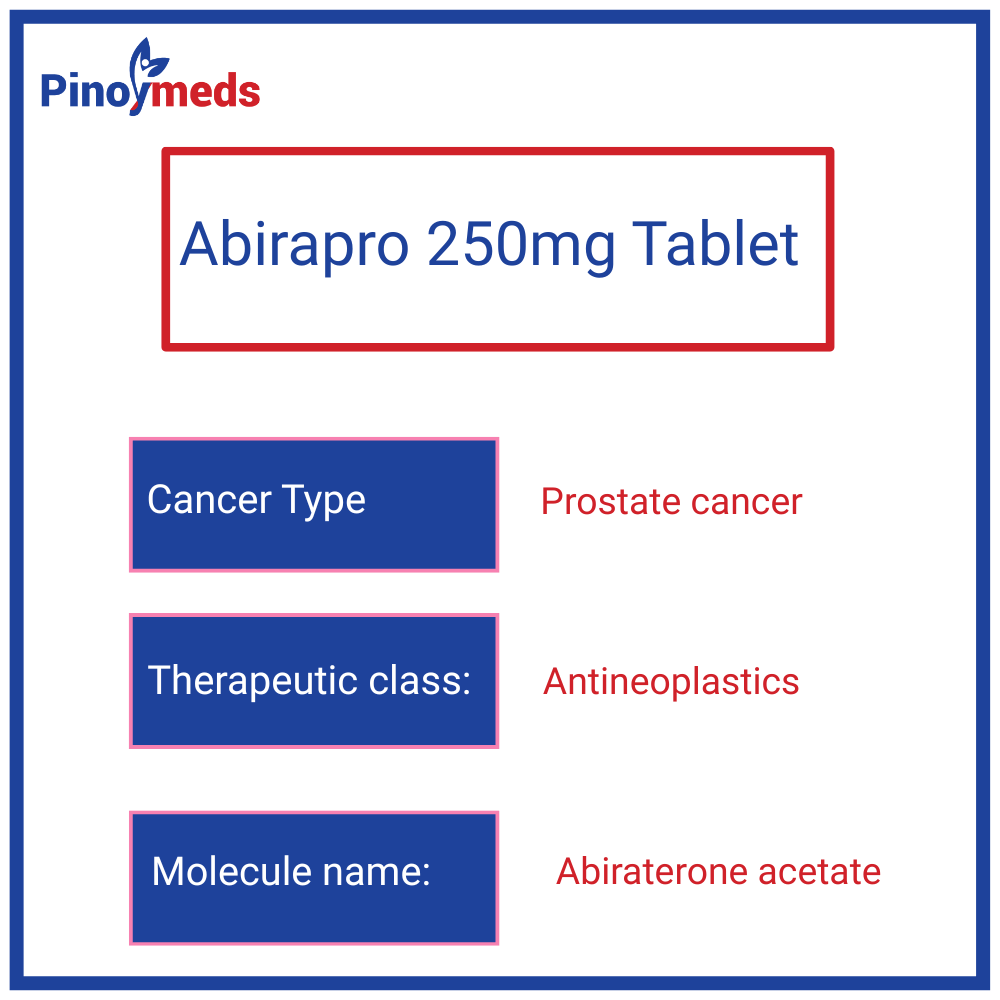
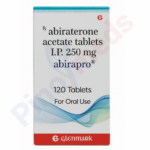
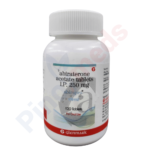
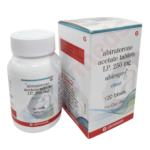
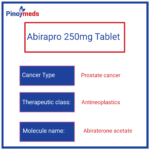
Abirapro 250 mg Tablet
Brand Name:
Molecule:
Abiraterone AcetateStrength:
Quantity:
Form:
Packaging Type:
Manufacturer/Marketed By:
GlenmarkCountry of Origin:
₱ 12,000.00
9 in stock
Enquiry Form
Similar Products:
| Product | Manufacturer / Marketed By | Price |
|---|---|---|
| Abirakast 250 mg Tablet | Aprazer Healthcare | ₱ 12,000.00 |
| Abiraxen 250 mg Tablet | Everest Pharma | Ask for Price |
Description
Abirapro 250 mg Tablet - Detailed Product Information
Abirapro 250 mg Tablet is listed on pinoymeds.ph with detailed information to support careful product review before purchase. This page is designed for informed readers who compare product scope, practical usage context, handling expectations, and ordering workflow in one place. The content below is educational and operational in nature and should not replace clinical diagnosis, direct physician advice, or individualized treatment planning.
Existing product note: Abirapro 250 mg is a prescription oral medication that contains Abiraterone Acetate, a potent androgen biosynthesis inhibitor used in the management of advanced prostate cancer, particularly metastatic prostate cancer, a stage where cancer has spread beyond the prostate gland to other parts of the body. This medication is commonly prescribed in combination with prednisone or prednisolone, a corticosteroid that helps manage potential side effects, such as mineralocorticoid excess (e.g., fluid retention, high blood pressure, or low potassium levels). Abirapro 250 mg targets the source of the problem by blocking an enzyme called CYP17A1, which is crucial for the production of androgens, including testosterone, a male hormone. Prostate cancer cells depend on testosterone to grow and multiply—even after the testicles stop producing it. Abirapro reduces testosterone production from all source
Product identity and verification: Confirm product name, concentration or strength, dosage form, pack size, and supplier details before order finalization. Cross-check labels, invoices, and prescribing instructions so ordering records remain accurate across teams and care settings.
Intended usage context: Products in this category are generally used within supervised healthcare workflows. Use should align with prescription intent, clinical eligibility, and local regulation. Where institutional protocols exist, follow those protocols first and document exceptions with responsible clinician approval.
Professional supervision expectations: Product administration decisions should be made by licensed professionals who can review patient-specific history, potential interactions, and contraindication considerations. Independent unsupervised use is discouraged for products requiring clinical oversight.
Dose planning and scheduling discipline: Respect prescribed timing and quantity instructions. Maintain a clear administration log where needed, especially in long-course therapy. Structured logging helps continuity between shifts, tele-consult follow-up, and audit readiness in regulated environments.
Storage and handling fundamentals: Keep products in recommended environmental conditions and away from contamination risks. Confirm storage ranges, humidity sensitivity, and light exposure guidance from the label or package insert. Do not use compromised packaging or uncertain chain-of-custody stock.
Supply continuity and reorder planning: Estimate consumption windows conservatively and reorder early enough to avoid therapy interruptions. For clinical programs or dependent repeat buyers, maintain a rolling buffer strategy and assign ownership for reorder reminders and stock-level checks.
Dispensing communication quality: Provide clear, plain-language instructions and reinforce key safety points at handover. Good counseling includes use schedule, what to monitor, what to avoid, and when to escalate. Repeat-back style communication improves comprehension and adherence outcomes.
Adherence and follow-through management: Strong outcomes often depend on consistent use patterns and practical follow-up. Build routines around reminders, check-ins, and documented milestone reviews. Where adherence barriers exist, address cost, logistics, and understanding gaps proactively.
Safety monitoring and escalation path: If unusual effects, non-response, or tolerance concerns appear, escalate promptly to qualified clinicians. Preserve chronology of events, recent product history, and relevant co-therapy details to accelerate safe decision-making during review.
Quality assurance and documentation standards: Keep records for procurement source, batch identifiers where available, date of receipt, and dispense trail. Reliable documentation supports pharmacovigilance, internal quality systems, and accountable customer support operations.
Compatibility with broader care plans: Product usage should fit into an integrated treatment strategy rather than isolated action. Encourage coordinated review with diagnostic status, current care objectives, and realistic follow-up cadence to reduce fragmentation risks.
Customer support and service operations: For availability checks, timeline commitments, and fulfillment support, contact the support team before checkout completion. Early coordination helps align substitutions, quantity planning, and delivery expectations with real operational capacity.
Responsible information boundaries: Product pages provide structured guidance, not definitive clinical directives. Users should avoid self-adjusting treatment plans based solely on listing text. Final therapeutic decisions belong to licensed clinicians with full case context.
Post-purchase handling and review cycle: After receipt, confirm product condition, correctness, and labeling immediately. Report discrepancies quickly. In ongoing therapy contexts, schedule periodic review so therapy quality, tolerability, and plan fit remain continuously validated.
Product identity and verification: Confirm product name, concentration or strength, dosage form, pack size, and supplier details before order finalization. Cross-check labels, invoices, and prescribing instructions so ordering records remain accurate across teams and care settings.
Intended usage context: Products in this category are generally used within supervised healthcare workflows. Use should align with prescription intent, clinical eligibility, and local regulation. Where institutional protocols exist, follow those protocols first and document exceptions with responsible clinician approval.
Professional supervision expectations: Product administration decisions should be made by licensed professionals who can review patient-specific history, potential interactions, and contraindication considerations. Independent unsupervised use is discouraged for products requiring clinical oversight.
Dose planning and scheduling discipline: Respect prescribed timing and quantity instructions. Maintain a clear administration log where needed, especially in long-course therapy. Structured logging helps continuity between shifts, tele-consult follow-up, and audit readiness in regulated environments.
Storage and handling fundamentals: Keep products in recommended environmental conditions and away from contamination risks. Confirm storage ranges, humidity sensitivity, and light exposure guidance from the label or package insert. Do not use compromised packaging or uncertain chain-of-custody stock.
Supply continuity and reorder planning: Estimate consumption windows conservatively and reorder early enough to avoid therapy interruptions. For clinical programs or dependent repeat buyers, maintain a rolling buffer strategy and assign ownership for reorder reminders and stock-level checks.
Dispensing communication quality: Provide clear, plain-language instructions and reinforce key safety points at handover. Good counseling includes use schedule, what to monitor, what to avoid, and when to escalate. Repeat-back style communication improves comprehension and adherence outcomes.
Adherence and follow-through management: Strong outcomes often depend on consistent use patterns and practical follow-up. Build routines around reminders, check-ins, and documented milestone reviews. Where adherence barriers exist, address cost, logistics, and understanding gaps proactively.
Safety monitoring and escalation path: If unusual effects, non-response, or tolerance concerns appear, escalate promptly to qualified clinicians. Preserve chronology of events, recent product history, and relevant co-therapy details to accelerate safe decision-making during review.
Important: This information is for product understanding and operational planning only. Always use medicines and related products under guidance from qualified healthcare professionals.

Benefits
- Slows or Halts Tumor Growth: By blocking androgen production throughout the body, including in the adrenal glands and the tumor itself, Abirapro deprives prostate cancer cells of the hormones they need to grow.
- Improves Survival Outcomes: Clinical trials show that abiraterone acetate significantly extends both progression-free survival (PFS) and overall survival (OS) in men with advanced prostate cancer.
- Convenient Home-Based Therapy: When taken as an oral tablet, Abirapro enables patients to manage their treatment outside a hospital setting, promoting greater comfort and adherence.
- Reduced Inflammation and Side Effects with Prednisone: Coadministration with corticosteroids helps manage inflammation, reduce fluid retention, and maintain electrolyte balance, which are key factors in managing hormone therapy side effects.
Indications and Usage
Abirapro 250 mg (Abiraterone Acetate) is approved for the treatment of prostate cancer in adult men under two main clinical conditions:
1. Metastatic Castration-Resistant Prostate Cancer (mCRPC):
This refers to prostate cancer that has spread to other parts of the body and continues to grow despite medical or surgical efforts to lower testosterone levels (castration). In this setting, Abirapro helps control tumor growth when traditional androgen deprivation therapy (ADT) is no longer effective.
2. Metastatic High-Risk Castration-Sensitive Prostate Cancer (mCSPC):
This is newly diagnosed, advanced prostate cancer that is still responsive to hormone therapy. Abirapro is used in combination with hormone suppression strategies (e.g., LHRH analogs) to delay disease progression and reduce complications.
Combination Therapy:
Abirapro is almost always prescribed alongside low-dose corticosteroids like prednisone or prednisolone to:
- Reduce side effects related to hormone imbalance
- Prevent adrenal insufficiency
- Support overall treatment effectiveness.
It may also be used with LHRH analogs to maintain testosterone suppression as part of a comprehensive prostate cancer treatment plan.
How it Works
Abirapro 250 mg contains Abiraterone Acetate, a targeted cancer therapy classified as an androgen biosynthesis inhibitor. It works by blocking a key enzyme called CYP17A1 (17α-hydroxylase/C17,20-lyase)—an enzyme that plays a vital role in the production of androgens (male hormones), including testosterone.
Why Target Testosterone?
Prostate cancer cells are fueled by testosterone. Even after the testicles stop producing it (through hormone therapy or surgery), the body can still make small amounts of testosterone in:
- Adrenal glands
- Tumor tissues themselves
Abirapro interrupts this backup supply by stopping CYP17A1 from producing testosterone in all these sites. This reduces hormone levels to nearly undetectable levels, starving the cancer cells and slowing or stopping their growth.
What Makes It Effective?
- It targets multiple hormone-producing sites (not just the testicles)
- Works even when other treatments have failed to suppress hormone levels
- Used alongside prednisone to balance out hormone levels and reduce side effects like fluid retention or high blood pressure
This mechanism makes Abirapro highly effective in managing both castration-resistant and castration-sensitive prostate cancer.
Dosage & Administration
Recommended Dosage
Take Abirapro 250 mg as 1000 mg once daily, which equals four 250 mg tablets.
Take it in combination with prednisone (5 mg twice daily), unless your doctor advises otherwise.
How to Take
- Take Abirapro on an empty stomach—either 1 hour before or 2 hours after a meal.
- Swallow the tablets whole with a full glass of water.
- Do not crush, chew, or split the tablets.
Frequency
Take Abirapro once a day, ideally at the same time each day, to maintain consistent blood levels.

Missed Dose
- If you miss a dose and less than 12 hours have passed, take it as soon as you remember.
- If more than 12 hours have passed, skip the missed dose and resume your regular schedule.
- Never take two doses at once to make up for a missed dose.
Overdose Warning
Contact your doctor or go to the emergency room immediately if you suspect an overdose.
Watch for signs like:
- Unusual tiredness or weakness
- Dizziness or low blood pressure
- Yellowing of the skin or eyes (possible liver damage)
While taking Abirapro 250 mg, you may experience side effects. Some are mild and manageable, while others may require immediate medical attention. Always report any unusual or persistent symptoms to your healthcare provider.


Common Side Effects of Abirapro 250 mg
You may commonly experience:
- Joint swelling or joint pain
- Fatigue or general weakness
- Increased blood pressure
- Hot flashes or episodes of warmth
- Fluid retention or swelling in the legs/feet
- Low potassium levels, which may cause muscle weakness or cramps
Your doctor may order blood tests regularly to monitor these effects and adjust your treatment if needed.
Serious Side Effects of Abirapro 250 mg
Seek immediate medical help if you experience:
- Liver problems: yellowing of the skin or eyes, dark urine, nausea, or abdominal pain
- Adrenal gland issues: dizziness, vomiting, or unusual tiredness due to hormone imbalance
- Heart rhythm problems: irregular heartbeat, chest pain, or fainting
- Severe allergic reactions: rash, itching, swelling, severe dizziness, or trouble breathing
Always report any concerning side effects to your healthcare provider promptly. They may adjust your dose, recommend supportive treatment, or switch your medication if needed.
Warning and Precaution
Follow these safety guidelines carefully to reduce risks and ensure Abirapro 250 mg works effectively:
Pregnancy & Reproductive Warning
- Do not use Abirapro if you are a woman—this medicine is strictly for male patients.
- Abiraterone can harm an unborn baby if handled or taken by a pregnant woman.
- Male patients with partners of childbearing potential must use effective contraception during treatment and for 3 weeks after the last dose.
Monitor Blood Pressure
- Abirapro may raise blood pressure, especially when taken long-term.
- Check your blood pressure regularly and report significant increases to your doctor.
Monitor Liver Function
- Abiraterone can affect liver health.
- Your doctor will schedule regular liver function tests (LFTs) to check for early signs of liver damage.
- Report symptoms like yellowing of the skin/eyes, dark urine, or persistent nausea.
Take on an Empty Stomach
- Always take Abirapro on an empty stomach—at least 1 hour before or 2 hours after eating.
- Taking it with food may increase drug absorption, raising the risk of side effects.
Watch for Drug Interactions
- Inform your doctor about all medications, supplements, and herbal products you are currently taking.
- Certain drugs (e.g., antifungals, seizure medicines, blood thinners) can interfere with how Abirapro works or increase side effects.
Patient Guidance
Storage
- Store Abirapro 250 mg at room temperature between 20°C to 25°C (68°F to 77°F).
- Keep the tablets away from moisture, heat, and direct sunlight.
- Do not store the medication in bathrooms or damp places.
Handling
- Keep the tablets in their original packaging until you are ready to take them.
- Do not use the medication if the tablets appear discolored, broken, or damaged.
Disposal
- Do not flush Abirapro down the toilet or pour it into drains.
- Safely dispose of unused or expired tablets through a local medicine take-back program, or ask your pharmacist for proper disposal methods.
Safety
- Always store the medication out of reach of children and pets to prevent accidental ingestion.
- Do not share this medication with anyone, even if they have similar symptoms, as it is prescribed based on individual medical conditions.
Clinical Trial & Approvals
Regulatory Approval
- The U.S. Food and Drug Administration (FDA) first approved abiraterone acetate in 2011 for the treatment of metastatic castration-resistant prostate cancer (mCRPC) in men who had previously received chemotherapy with docetaxel.
- In 2012, the FDA expanded the approval to include men with metastatic castration-resistant prostate cancer (mCRPC) who had not received chemotherapy.
- In 2018, the FDA approved abiraterone in combination with prednisone for the treatment of metastatic high-risk castration-sensitive prostate cancer (mCSPC).
These approvals have made abiraterone a cornerstone treatment for advanced prostate cancer.
Key Clinical Trials
COU-AA-301 Trial
- Population: Men with mCRPC previously treated with chemotherapy.
- Result: Abiraterone plus prednisone significantly improved overall survival (14.8 vs. 10.9 months compared to placebo).
- Reference: de Bono JS et al., N Engl J Med 2011; 364:1995–2005
COU-AA-302 Trial
- Population: Chemotherapy-naïve men with mCRPC.
- Result: Abiraterone plus prednisone delayed disease progression and extended overall survival compared to placebo.
- Reference: Ryan CJ et al., N Engl J Med 2013; 368:138 48
These pivotal trials demonstrated the effectiveness of abiraterone in slowing disease progression, improving survival, and delaying the need for chemotherapy, leading to its widespread use and global approval.
References
MedlinePlus – Abiraterone Oral
U.S. National Library of Medicine provides detailed consumer drug information. Click here
Mayo Clinic – Abiraterone (Oral Route)
Offers medically reviewed guidance on dosage, usage, and safety.Click here
WebMD – Abiraterone Overview
Includes patient-friendly drug information, side effects, and warnings about potential interactions. Click here
DrugBank – Abiraterone Acetate (DB05812)
Provides detailed pharmacological and molecular data on abiraterone. Click here
FAQ
Related Products
Related Posts:
No matching posts found.

Reviews
Clear filtersThere are no reviews yet.