



Eltrombopag
Eltrombopag is an orally active small-molecule thrombopoietin receptor agonist used to increase platelet production in specific hematologic disorders. It works by stimulating the thrombopoietin receptor (c-Mpl), a receptor involved in the development and maturation of megakaryocytes—the bone marrow cells responsible for producing platelets.
Unlike naturally occurring thrombopoietin, Eltrombopag is a non-peptide molecule that interacts with the transmembrane region of the thrombopoietin receptor. This activates signaling pathways that promote megakaryocyte proliferation and platelet production. Its oral availability makes it particularly useful in treatment settings where ongoing platelet support is required.
Eltrombopag has an established role in the management of persistent or chronic immune thrombocytopenia (ITP), severe aplastic anemia, and certain cases of thrombocytopenia associated with chronic hepatitis C. Its clinical use is based on the principle of increasing endogenous platelet production rather than directly replacing platelets.
The molecule is available in different oral dosage forms and strengths, allowing treatment to be adjusted according to the indication, platelet response, age, and other patient-specific factors. Because Eltrombopag can affect platelet counts and liver function, treatment requires appropriate laboratory monitoring and dose adjustment under medical supervision.
Molecule Details
Generic Name : Eltrombopag
Active Form : Eltrombopag olamine
Drug Class : Thrombopoietin receptor agonist (TPO-RA)
Molecular Type : Non-peptide small molecule
Route of Administration : Oral
Primary Biological Target : Thrombopoietin receptor (c-Mpl)
Main Therapeutic Area : Hematology
Molecular Formula : C₂₅H₂₂N₄O₄
Molecular Weight : 442.48 g/mol
Mechanism of Action
Eltrombopag works by activating the thrombopoietin receptor on hematopoietic cells in the bone marrow.
The molecule binds to a region of the receptor that is different from the binding site used by endogenous thrombopoietin. This activates intracellular signaling pathways involved in megakaryocyte development and maturation. As megakaryocytes mature, they release platelets into the bloodstream.
This mechanism makes Eltrombopag fundamentally different from a platelet transfusion. A transfusion provides circulating platelets directly, whereas Eltrombopag encourages the patient’s bone marrow to produce more platelets.
The response is therefore dependent on the underlying condition and the patient’s remaining marrow function. This is particularly relevant in disorders such as immune thrombocytopenia and aplastic anemia, where impaired platelet production or destruction contributes to low platelet counts.
Clinical Applications
Eltrombopag has established clinical applications in several hematologic settings.
Persistent or Chronic Immune Thrombocytopenia
Eltrombopag is used in adults and children aged 1 year and older with persistent or chronic ITP when previous treatments such as corticosteroids, immunoglobulins, or splenectomy have not provided an adequate response. It is intended for patients whose thrombocytopenia and clinical condition create a meaningful risk of bleeding.
Severe Aplastic Anemia
Eltrombopag is also used in severe aplastic anemia. In the current U.S. labeling, it is indicated in combination with standard immunosuppressive therapy as first-line treatment for adults and children aged 2 years and older.
Clinical research has also investigated Eltrombopag as a treatment for patients with inadequate responses to immunosuppressive therapy and other forms of bone marrow failure.
Chronic Hepatitis C-Associated Thrombocytopenia
Eltrombopag has also been used for thrombocytopenia associated with chronic hepatitis C in situations where low platelet counts prevent initiation or continuation of interferon-based therapy.
Prescribing Information
The prescribing information provides detailed information regarding approved indications, dosing, administration, laboratory monitoring, warnings, contraindications, and clinically important drug and food interactions.
Authoritative references:
- DailyMed – Eltrombopag Prescribing Information
- FDA – Promacta Clinical Pharmacology Review
- FDA – Promacta Prescribing Information
Clinical Trial Details
Eltrombopag has been evaluated in randomized controlled studies and longer-term clinical programs across immune thrombocytopenia and bone marrow failure disorders.
One important Phase III study was the RAISE trial (NCT00370331), a randomized, double-blind, placebo-controlled study evaluating six months of Eltrombopag treatment in adults with previously treated chronic ITP. The study evaluated platelet response, safety, tolerability, and the need for rescue treatment.
Eltrombopag has also been investigated extensively in severe aplastic anemia. Clinical studies have evaluated its use alone and alongside immunosuppressive therapy, including studies examining platelet and broader blood-cell responses.
Clinical trial resources:
- ClinicalTrials.gov – Eltrombopag Clinical Studies
- RAISE Phase III Study – NCT00370331
- Eltrombopag in Severe Aplastic Anemia – NCT01623167
FDA Approval Status
Eltrombopag received its initial U.S. FDA approval in 2008. The first approval was for thrombocytopenia associated with chronic immune thrombocytopenia in patients who had an insufficient response to corticosteroids, immunoglobulins, or splenectomy.
The FDA subsequently expanded its approved uses. Eltrombopag received approval for severe aplastic anemia in 2014, and in 2018 the FDA approved its use in combination with standard immunosuppressive therapy as first-line treatment for adults and pediatric patients aged 2 years and older with severe aplastic anemia.
Current U.S. labeling includes indications for persistent or chronic ITP, chronic hepatitis C-associated thrombocytopenia in the specified treatment setting, and severe aplastic anemia.
FDA reference:
Important Note
Eltrombopag is a prescription medicine and should be used only under appropriate medical supervision. The information on this page is intended for educational purposes and should not replace the prescribing information or individualized advice from a qualified healthcare professional.
Showing all 7 results
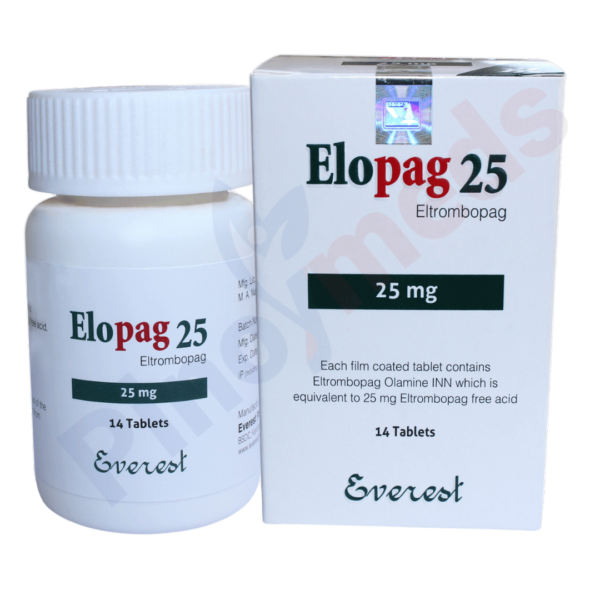
Elopag Eltrombopag 25 mg Tablet
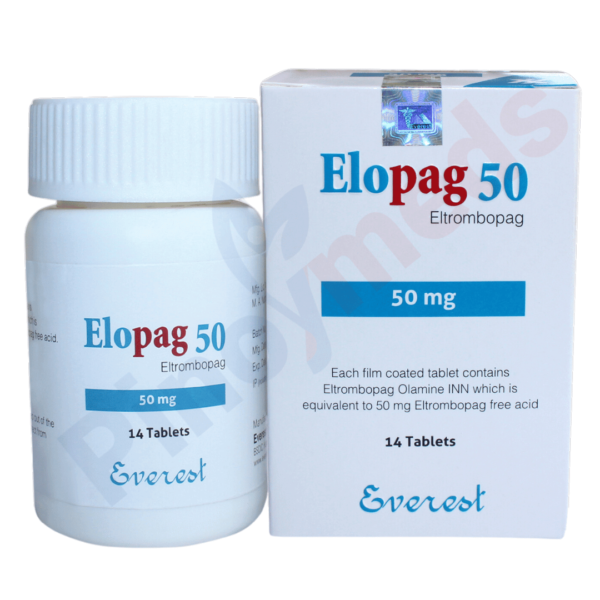
Elopag Eltrombopag 50 mg Tablet
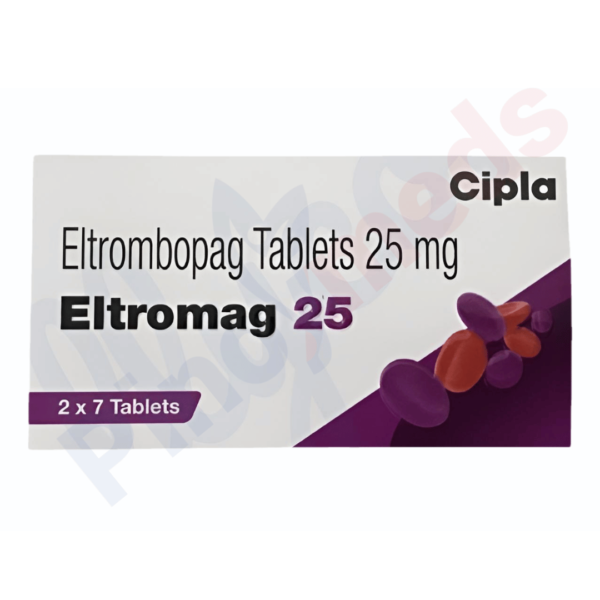
Eltromag Eltrombopag 25 mg Tablet
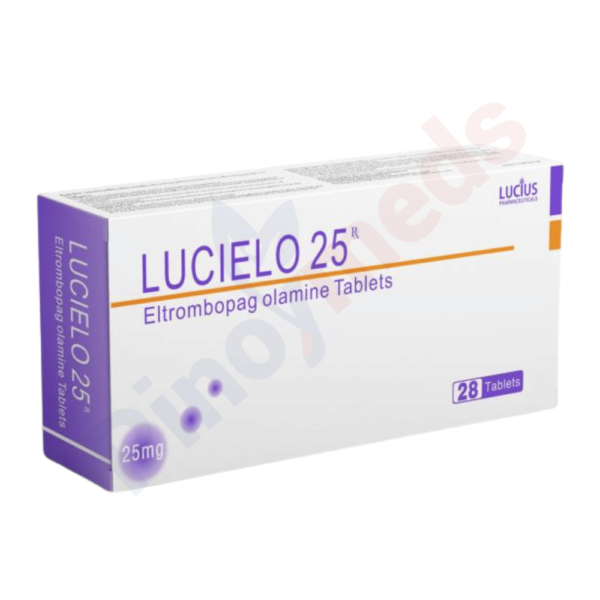
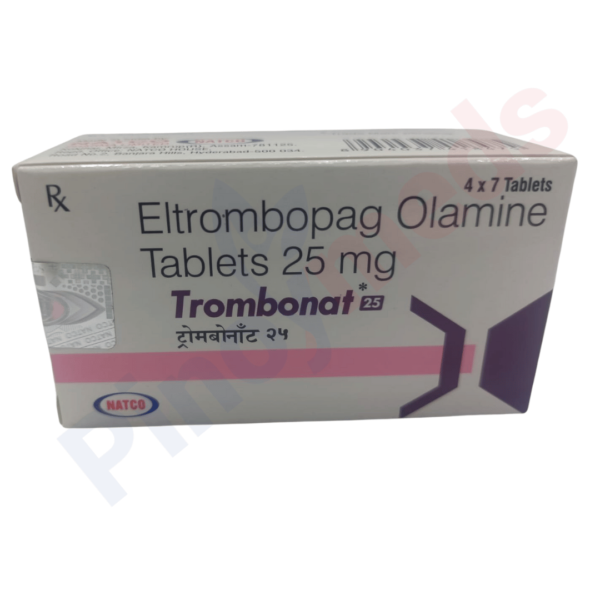
Trombonat Eltrombopag 25 mg Tablet
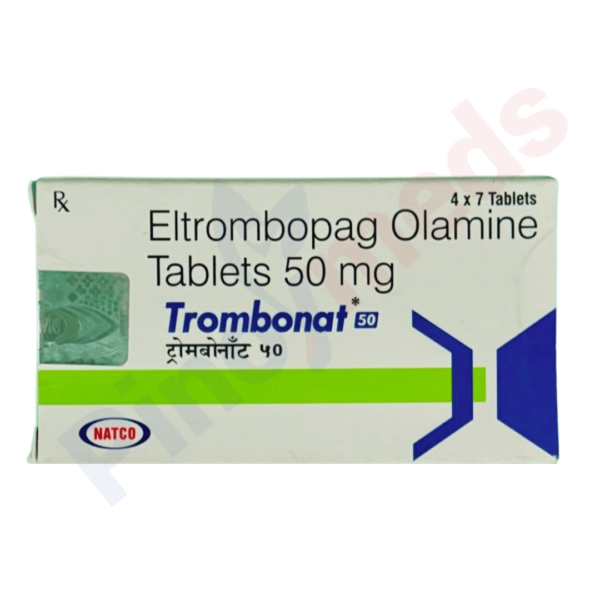
Trombonat Eltrombopag 50 mg Tablet
- -
- - Molecule Details
- -
- - Mechanism of Action
- -
- - Clinical Applications
- -
- - Prescribing Information
- -
- - Clinical Trial Details
- -
- - FDA Approval Status
- -
- - Important Note - Faq
Last updated on 07-08-2026 18:16:56
Overview
Written by:

Reviewed by:
Eltrombopag is an orally active small-molecule thrombopoietin receptor agonist used to increase platelet production in specific hematologic disorders. It works by stimulating the thrombopoietin receptor (c-Mpl), a receptor involved in the development and maturation of megakaryocytes—the bone marrow cells responsible for producing platelets.
Unlike naturally occurring thrombopoietin, Eltrombopag is a non-peptide molecule that interacts with the transmembrane region of the thrombopoietin receptor. This activates signaling pathways that promote megakaryocyte proliferation and platelet production. Its oral availability makes it particularly useful in treatment settings where ongoing platelet support is required.
Eltrombopag has an established role in the management of persistent or chronic immune thrombocytopenia (ITP), severe aplastic anemia, and certain cases of thrombocytopenia associated with chronic hepatitis C. Its clinical use is based on the principle of increasing endogenous platelet production rather than directly replacing platelets.
The molecule is available in different oral dosage forms and strengths, allowing treatment to be adjusted according to the indication, platelet response, age, and other patient-specific factors. Because Eltrombopag can affect platelet counts and liver function, treatment requires appropriate laboratory monitoring and dose adjustment under medical supervision.
Molecule Details
Generic Name : Eltrombopag
Active Form : Eltrombopag olamine
Drug Class : Thrombopoietin receptor agonist (TPO-RA)
Molecular Type : Non-peptide small molecule
Route of Administration : Oral
Primary Biological Target : Thrombopoietin receptor (c-Mpl)
Main Therapeutic Area : Hematology
Molecular Formula : C₂₅H₂₂N₄O₄
Molecular Weight : 442.48 g/mol
Mechanism of Action
Eltrombopag works by activating the thrombopoietin receptor on hematopoietic cells in the bone marrow.
The molecule binds to a region of the receptor that is different from the binding site used by endogenous thrombopoietin. This activates intracellular signaling pathways involved in megakaryocyte development and maturation. As megakaryocytes mature, they release platelets into the bloodstream.
This mechanism makes Eltrombopag fundamentally different from a platelet transfusion. A transfusion provides circulating platelets directly, whereas Eltrombopag encourages the patient’s bone marrow to produce more platelets.
The response is therefore dependent on the underlying condition and the patient’s remaining marrow function. This is particularly relevant in disorders such as immune thrombocytopenia and aplastic anemia, where impaired platelet production or destruction contributes to low platelet counts.
Clinical Applications
Eltrombopag has established clinical applications in several hematologic settings.
Persistent or Chronic Immune Thrombocytopenia
Eltrombopag is used in adults and children aged 1 year and older with persistent or chronic ITP when previous treatments such as corticosteroids, immunoglobulins, or splenectomy have not provided an adequate response. It is intended for patients whose thrombocytopenia and clinical condition create a meaningful risk of bleeding.
Severe Aplastic Anemia
Eltrombopag is also used in severe aplastic anemia. In the current U.S. labeling, it is indicated in combination with standard immunosuppressive therapy as first-line treatment for adults and children aged 2 years and older.
Clinical research has also investigated Eltrombopag as a treatment for patients with inadequate responses to immunosuppressive therapy and other forms of bone marrow failure.
Chronic Hepatitis C-Associated Thrombocytopenia
Eltrombopag has also been used for thrombocytopenia associated with chronic hepatitis C in situations where low platelet counts prevent initiation or continuation of interferon-based therapy.
Prescribing Information
The prescribing information provides detailed information regarding approved indications, dosing, administration, laboratory monitoring, warnings, contraindications, and clinically important drug and food interactions.
Authoritative references:
- DailyMed – Eltrombopag Prescribing Information
- FDA – Promacta Clinical Pharmacology Review
- FDA – Promacta Prescribing Information
Clinical Trial Details
Eltrombopag has been evaluated in randomized controlled studies and longer-term clinical programs across immune thrombocytopenia and bone marrow failure disorders.
One important Phase III study was the RAISE trial (NCT00370331), a randomized, double-blind, placebo-controlled study evaluating six months of Eltrombopag treatment in adults with previously treated chronic ITP. The study evaluated platelet response, safety, tolerability, and the need for rescue treatment.
Eltrombopag has also been investigated extensively in severe aplastic anemia. Clinical studies have evaluated its use alone and alongside immunosuppressive therapy, including studies examining platelet and broader blood-cell responses.
Clinical trial resources:
- ClinicalTrials.gov – Eltrombopag Clinical Studies
- RAISE Phase III Study – NCT00370331
- Eltrombopag in Severe Aplastic Anemia – NCT01623167
FDA Approval Status
Eltrombopag received its initial U.S. FDA approval in 2008. The first approval was for thrombocytopenia associated with chronic immune thrombocytopenia in patients who had an insufficient response to corticosteroids, immunoglobulins, or splenectomy.
The FDA subsequently expanded its approved uses. Eltrombopag received approval for severe aplastic anemia in 2014, and in 2018 the FDA approved its use in combination with standard immunosuppressive therapy as first-line treatment for adults and pediatric patients aged 2 years and older with severe aplastic anemia.
Current U.S. labeling includes indications for persistent or chronic ITP, chronic hepatitis C-associated thrombocytopenia in the specified treatment setting, and severe aplastic anemia.
FDA reference:
Important Note
Eltrombopag is a prescription medicine and should be used only under appropriate medical supervision. The information on this page is intended for educational purposes and should not replace the prescribing information or individualized advice from a qualified healthcare professional.
Frequently Asked Questions
Why is Eltrombopag described as a thrombopoietin receptor agonist?
Does Eltrombopag directly provide platelets?
Why can food and mineral supplements affect Eltrombopag absorption?
Why are liver tests relevant during Eltrombopag treatment?
Can Eltrombopag be used when the bone marrow is severely affected?
Why does platelet monitoring matter even after the platelet count improves?
Is Eltrombopag the same type of medicine as Avatrombopag?
Why is Eltrombopag available in different strengths?
What makes Eltrombopag particularly relevant in hematology?
Related Posts:
PARP Inhibitors Explained: Olaparib, Niraparib, Rucaparib, and Talazoparib
If you have been diagnosed with ovarian, breast, prostate, or pancreatic cancer, or if your close relative faces a similar
READ MORE »The Ultimate Guide to Pembrolizumab (Keytruda): Mechanism, Clinical Uses, and Safety Profile
Cancer treatment has undergone dramatic shifts in the last ten years. For many decades now, surgery, radiation, and chemotherapy have
READ MORE »How Leukemia is Diagnosed (Blood Test to Biopsy)
Leukemia is a type of blood cancer that begins in the bone marrow, where blood cells are produced. Because leukemia
READ MORE »