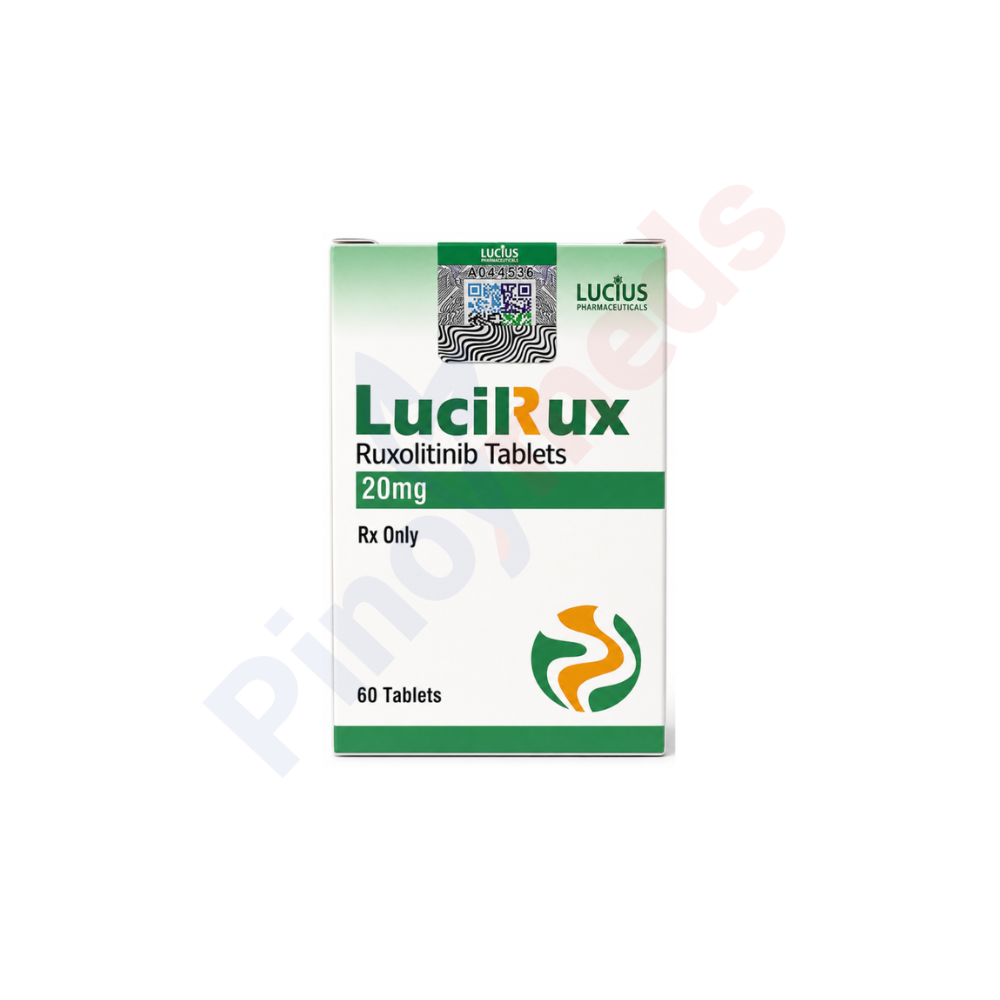
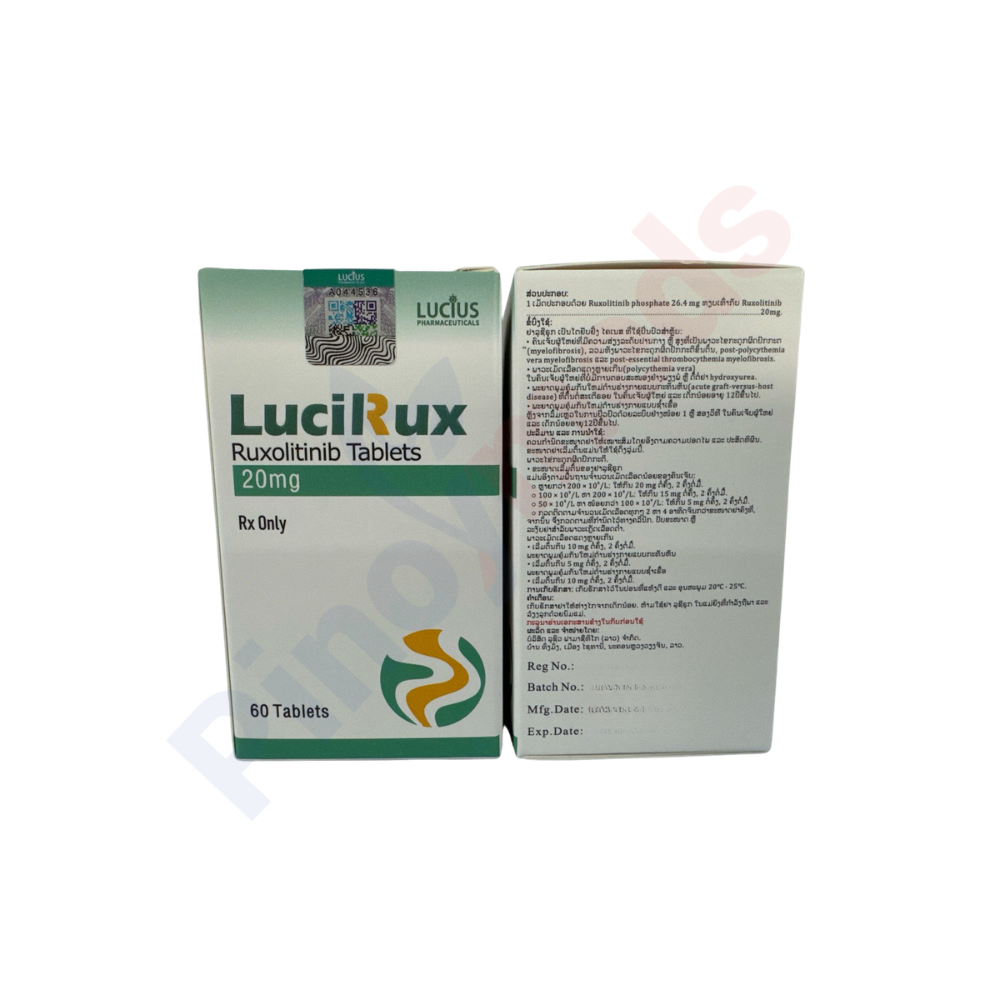
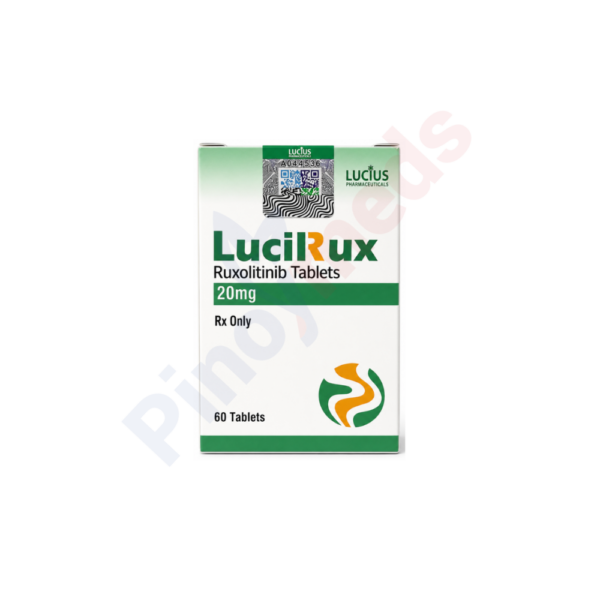
Lucirux Ruxolitinib 20 mg Tablet

Prescription Required

Brand Name:

LuciRux

Molecule:

Ruxolitinib

Strength:

20 mg

Quantity:

60 Tablets

Form:

Tablet

Packaging Type:

Bottle

Manufacturer/Marketed By:

Lucius Pharma

Country of Origin:

Laos

Categories: ,

No similar products found.

Description

Lucirux Ruxolitinib 20 mg Tablet contains Ruxolitinib 20 mg, a prescription medicine manufactured by Lucius Pharmaceuticals for the treatment of selected blood disorders and complications associated with allogeneic stem cell transplantation. It belongs to a class of medicines known as Janus kinase (JAK) inhibitors, which work by blocking abnormal JAK1 and JAK2 signaling pathways involved in excessive blood cell production, chronic inflammation, and immune system dysregulation. By targeting these pathways, Lucirux helps control disease activity, relieve symptoms, and improve clinical outcomes in eligible patients.

Lucirux Ruxolitinib 20 mg Tablet is indicated for the treatment of intermediate- or high-risk myelofibrosis (MF), including primary myelofibrosis, post-polycythemia vera myelofibrosis, and post-essential thrombocythemia myelofibrosis. It is also indicated for adults with polycythemia vera (PV) who have had an inadequate response to or are intolerant of hydroxyurea. Additionally, Ruxolitinib is approved for the treatment of steroid-refractory acute graft-versus-host disease (aGVHD) and chronic graft-versus-host disease (cGVHD) in appropriate adult and pediatric patients, in accordance with approved prescribing information and the treating physician's clinical judgment.

Unlike conventional chemotherapy, Lucirux specifically targets the underlying JAK-STAT signaling pathway that contributes to abnormal blood cell production and persistent inflammation. By inhibiting JAK1 and JAK2 enzymes, the medicine helps reduce spleen enlargement, improve blood cell regulation, and relieve common disease-related symptoms such as fatigue, night sweats, itching, bone pain, abdominal discomfort, and unintended weight loss. In patients with graft-versus-host disease, Lucirux helps regulate immune-mediated inflammation that can damage healthy tissues following stem cell transplantation.

The dosage of Lucirux Ruxolitinib 20 mg Tablet should always be individualized based on the patient's diagnosis, platelet count, complete blood count (CBC), kidney and liver function, treatment response, and overall clinical condition. Regular laboratory monitoring is essential throughout treatment, as dose adjustments or temporary interruption may be required to maintain treatment safety and effectiveness.

Common side effects of Lucirux include anemia, thrombocytopenia, neutropenia, dizziness, headache, bruising, fatigue, increased cholesterol levels, weight gain, and upper respiratory tract infections. Because Ruxolitinib can reduce the body's ability to fight infections, patients should promptly report fever, persistent cough, unusual bleeding, or any signs of infection to their healthcare provider. Serious infections, severe blood count abnormalities, and opportunistic infections require immediate medical evaluation and appropriate medical management.

Before starting Lucirux Ruxolitinib 20 mg Tablet, patients should inform their healthcare provider about any history of infections, tuberculosis, hepatitis B, liver disease, kidney disease, bleeding disorders, cardiovascular disease, or other significant medical conditions. It is also important to discuss all prescription medicines, over-the-counter products, vitamins, and herbal supplements, as Ruxolitinib may interact with certain medications that affect its metabolism. Women who are pregnant, planning to become pregnant, or breastfeeding should consult their healthcare provider before starting treatment.

At Pinoymeds, we are committed to providing reliable, evidence-based information about specialty medicines to help patients and caregivers make informed healthcare decisions. If you have been prescribed Lucirux Ruxolitinib 20 mg Tablet, consult your hematologist or healthcare provider for personalized advice regarding its appropriate use, dosage, monitoring requirements, and ongoing treatment.

Benefits

Lucirux Ruxolitinib 20 mg Tablet is a targeted therapy designed to help manage certain myeloproliferative disorders and immune-mediated complications following stem cell transplantation. By inhibiting the activity of Janus kinase (JAK) 1 and JAK2 enzymes, it helps regulate abnormal blood cell production and inflammatory signaling that contribute to disease progression. When used as prescribed and monitored by a qualified healthcare professional, Lucirux may help improve disease control, reduce symptom burden, and enhance the quality of life of eligible patients.

Depending on the approved indication and individual patient response, treatment with Lucirux may offer the following clinical benefits:

  • Helps reduce spleen enlargement (splenomegaly) in patients with myelofibrosis.
  • Relieves disease-related symptoms such as fatigue, night sweats, itching (pruritus), bone pain, abdominal discomfort, and unexplained weight loss.
  • Helps control excessive blood cell production in patients with polycythemia vera who are resistant to or intolerant of hydroxyurea.
  • Reduces inflammation associated with steroid-refractory acute and chronic graft-versus-host disease (GVHD) following allogeneic stem cell transplantation.
  • May improve physical functioning, symptom control, and overall quality of life in eligible patients.
  • Provides an oral treatment option that can be taken at home under the supervision of a healthcare professional.
  • Supported by clinical studies demonstrating efficacy in approved indications, including myelofibrosis, polycythemia vera, and graft-versus-host disease.

The benefits of Lucirux Ruxolitinib 20 mg Tablet may vary depending on the patient’s diagnosis, disease severity, overall health, and response to treatment. Regular follow-up appointments, laboratory monitoring, and adherence to the prescribed treatment plan are important to achieve the best possible clinical outcomes.

Indications and Usage

Lucirux Ruxolitinib 20 mg Tablet is indicated for the treatment of selected myeloproliferative neoplasms and immune-mediated complications following allogeneic hematopoietic stem cell transplantation. Treatment should always be initiated and supervised by a hematologist, oncologist, or other qualified healthcare professional experienced in managing these conditions.

Myelofibrosis (MF)

Lucirux is indicated for the treatment of adults with intermediate- or high-risk myelofibrosis, including:

  • Primary Myelofibrosis (PMF)
  • Post-Polycythemia Vera Myelofibrosis (PPV-MF)
  • Post-Essential Thrombocythemia Myelofibrosis (PET-MF)

Myelofibrosis is a rare chronic bone marrow disorder characterized by progressive scarring of the bone marrow, leading to impaired blood cell production. Patients may experience anemia, severe fatigue, enlarged spleen (splenomegaly), night sweats, bone pain, fever, and unintended weight loss. Ruxolitinib helps manage these symptoms by inhibiting abnormal JAK signaling, reducing spleen size, and improving symptom burden.

Polycythemia Vera (PV)

Lucirux is indicated for adults with polycythemia vera who have had an inadequate response to or are intolerant of hydroxyurea.

Polycythemia vera is a chronic blood cancer in which the bone marrow produces excessive red blood cells, increasing the risk of thrombosis, stroke, and cardiovascular complications. Ruxolitinib helps control hematocrit levels, reduce spleen enlargement, and improve disease-related symptoms in eligible patients.

Acute Graft-versus-Host Disease (aGVHD)

Lucirux is indicated for the treatment of steroid-refractory acute graft-versus-host disease in adults and eligible pediatric patients following allogeneic hematopoietic stem cell transplantation.

Acute GVHD occurs when donor immune cells attack the recipient’s healthy tissues, commonly affecting the skin, liver, and gastrointestinal tract. Ruxolitinib helps regulate the inflammatory immune response and may improve clinical outcomes in patients who do not respond adequately to corticosteroid therapy.

Chronic Graft-versus-Host Disease (cGVHD)

Lucirux is also indicated for the treatment of chronic graft-versus-host disease after failure of one or more lines of systemic therapy in appropriate adult and pediatric patients.

Chronic GVHD is a long-term immune-mediated complication that can affect multiple organs, including the skin, eyes, mouth, lungs, liver, joints, and gastrointestinal tract. By modulating JAK1 and JAK2 signaling, Ruxolitinib helps reduce inflammation, improve symptom control, and support better long-term disease management.

Important Information

The choice of treatment and dosage should be individualized based on the patient’s diagnosis, platelet count, complete blood count (CBC), previous therapies, organ function, and overall clinical condition. Regular laboratory monitoring and clinical assessment are essential throughout treatment to optimize efficacy and minimize the risk of adverse effects.

How it Works

Lucirux Ruxolitinib 20 mg Tablet contains Ruxolitinib, a targeted medicine that belongs to a class of drugs known as Janus kinase (JAK) inhibitors. It selectively inhibits JAK1 and JAK2, two enzymes that play a central role in the JAK-STAT signaling pathway, which regulates blood cell production, immune system function, and inflammatory responses.

In healthy individuals, the JAK-STAT pathway helps control the growth and development of blood cells. However, in certain diseases such as myelofibrosis and polycythemia vera, this pathway becomes overactive, leading to abnormal blood cell production, chronic inflammation, enlargement of the spleen, and progressive disease-related symptoms. By blocking JAK1 and JAK2 activity, Ruxolitinib helps normalize these signaling pathways, reducing excessive blood cell production, decreasing spleen size, and relieving symptoms such as fatigue, night sweats, itching, bone pain, and abdominal discomfort.

In patients with acute and chronic graft-versus-host disease (GVHD), donor immune cells attack the recipient’s healthy tissues following an allogeneic stem cell transplant. This immune response is driven by inflammatory cytokines that rely on JAK signaling. Ruxolitinib helps regulate this abnormal immune activity by inhibiting JAK1 and JAK2, reducing inflammation and limiting damage to organs such as the skin, liver, gastrointestinal tract, lungs, eyes, and mouth.

Unlike conventional chemotherapy, which destroys rapidly dividing cells, Lucirux specifically targets the cellular signaling pathways responsible for disease progression. This targeted approach helps control the underlying disease while minimizing damage to healthy tissues. However, because JAK signaling is also involved in normal immune function and blood cell production, treatment may increase the risk of infections and low blood cell counts. Regular laboratory monitoring and clinical follow-up are therefore essential throughout treatment.

Lucirux Ruxolitinib 20 mg Tablet should always be taken exactly as prescribed by a qualified healthcare professional. Treatment decisions, including dose adjustments and duration of therapy, should be based on the patient’s diagnosis, blood test results, treatment response, and overall clinical condition.

Dosage & Administration

The dosage of Lucirux Ruxolitinib 20 mg Tablet should always be determined by a qualified healthcare professional based on the patient’s diagnosis, platelet count, complete blood count (CBC), liver and kidney function, previous treatments, and overall clinical condition. The appropriate dose varies according to the condition being treated and the patient’s individual response to therapy.

Recommended Dosage

The recommended starting dose of Ruxolitinib differs depending on the approved indication, platelet count, and laboratory parameters. Your healthcare provider may prescribe Lucirux Ruxolitinib 20 mg Tablet alone or in combination with other tablet strengths to achieve the required daily dose. Dose adjustments may be necessary during treatment to optimize efficacy while minimizing adverse effects.

Administration Instructions

  • Take Lucirux exactly as prescribed by your healthcare provider.
  • The tablet may be taken with or without food.
  • Swallow the tablet whole with a glass of water.
  • Take the medicine at approximately the same time each day.
  • Do not crush, chew, or break the tablet unless instructed by your healthcare provider.

Missed Dose

If you miss a dose, skip the missed dose and take your next scheduled dose at the usual time. Do not take two doses at the same time to make up for a missed dose.

Dose Modifications

Your healthcare provider may reduce, interrupt, or discontinue treatment if you develop:

  • Thrombocytopenia (low platelet count)
  • Anemia (low red blood cell count)
  • Neutropenia (low white blood cell count)
  • Serious bacterial, viral, fungal, or opportunistic infections
  • Liver or kidney impairment
  • Significant treatment-related adverse reactions
  • Drug interactions requiring dose adjustment, particularly with strong CYP3A4 inhibitors

Never adjust your dose or discontinue treatment without consulting your healthcare provider.

Monitoring During Treatment

Regular clinical and laboratory monitoring is recommended throughout treatment and may include:

  • Complete blood count (CBC)
  • Platelet count
  • Liver function tests
  • Kidney function tests
  • Assessment for signs of infection
  • Evaluation of spleen size and disease-related symptoms
  • Ongoing assessment of treatment response and tolerability

Storage

  • Store below 30°C in a cool, dry place.
  • Keep the tablets in their original packaging to protect them from moisture and light.
  • Keep out of the reach of children.
  • Do not use the medicine after the expiry date printed on the package.

Side Effects

Like all medicines, Lucirux Ruxolitinib 20 mg Tablet may cause side effects, although not everyone experiences them. The type and severity of side effects can vary depending on the patient’s medical condition, dosage, duration of treatment, and overall health. Regular monitoring and routine blood tests help identify and manage many treatment-related side effects at an early stage.

Common Side Effects

The most commonly reported side effects of Lucirux include:

  • Anemia (low red blood cell count)
  • Thrombocytopenia (low platelet count)
  • Neutropenia (low white blood cell count)
  • Headache
  • Dizziness
  • Fatigue
  • Bruising
  • Weight gain
  • Increased cholesterol levels
  • Upper respiratory tract infections
  • Urinary tract infections
  • Diarrhea
  • Constipation
  • Nausea

These side effects are generally manageable with regular monitoring, supportive care, or dose adjustments as recommended by your healthcare provider. Routine complete blood count (CBC) testing is important throughout treatment to monitor blood cell levels.

Serious Side Effects

Seek immediate medical attention if you experience any of the following:

  • Fever, chills, or signs of a serious infection
  • Persistent cough or difficulty breathing
  • Unusual bleeding or excessive bruising
  • Severe weakness or extreme fatigue
  • Black, tarry, or bloody stools
  • Vomiting blood or material that resembles coffee grounds
  • Severe headache, confusion, vision changes, or seizures
  • Chest pain, rapid heartbeat, or shortness of breath
  • Yellowing of the skin or eyes (jaundice)
  • Swelling of the face, lips, tongue, or throat, or difficulty breathing (possible severe allergic reaction)

Because Lucirux may reduce immune system function, patients have an increased risk of bacterial, viral, fungal, and opportunistic infections. Reactivation of infections such as herpes zoster (shingles), tuberculosis, and hepatitis B has been reported in some patients receiving JAK inhibitor therapy. Your healthcare provider may recommend appropriate screening and preventive measures before starting treatment.

When to Contact Your Doctor

Contact your healthcare provider promptly if you experience:

  • Persistent fever or signs of infection
  • Increasing fatigue, weakness, or dizziness
  • Unusual bleeding or frequent bruising
  • Shortness of breath or chest discomfort
  • New skin lesions or changes in existing skin lesions
  • Persistent diarrhea, vomiting, or dehydration
  • Any side effect that becomes severe, persists, or interferes with your daily activities

Do not stop taking Lucirux or change your prescribed dose without consulting your healthcare provider. Regular follow-up appointments and laboratory monitoring are essential to ensure safe and effective treatment.

Warning and Precaution

Before starting Lucirux Ruxolitinib 20 mg Tablet, inform your healthcare provider about your complete medical history, current medications, allergies, and any underlying medical conditions. Careful assessment before treatment and regular monitoring during therapy help reduce the risk of complications and ensure the medicine is used safely and effectively.

Serious Infections

Ruxolitinib may suppress the immune system, increasing the risk of serious bacterial, viral, fungal, and opportunistic infections. Patients should be evaluated for active infections before starting treatment and monitored throughout therapy. Contact your healthcare provider immediately if you develop fever, chills, persistent cough, painful skin lesions, or other signs of infection.

Blood Cell Count Abnormalities

Treatment with Lucirux may reduce the number of red blood cells, white blood cells, and platelets, increasing the risk of anemia, infections, and bleeding. Complete blood count (CBC) testing should be performed before treatment begins and monitored regularly throughout therapy. Your healthcare provider may adjust the dose or temporarily interrupt treatment if significant blood count abnormalities occur.

Tuberculosis and Hepatitis B

Patients with a history of tuberculosis (TB) or hepatitis B virus (HBV) infection should inform their healthcare provider before starting treatment. Screening and ongoing monitoring may be recommended because reactivation of these infections has been reported during treatment with JAK inhibitors.

Increased Risk of Skin Cancer

Cases of non-melanoma skin cancer, including basal cell carcinoma and squamous cell carcinoma, have been reported in patients receiving Ruxolitinib. Patients should undergo periodic skin examinations and report any new or changing skin lesions to their healthcare provider.

Cardiovascular Risk

Patients with cardiovascular disease or risk factors such as hypertension, diabetes, smoking, or elevated cholesterol should be monitored carefully during treatment. Seek immediate medical attention if you experience chest pain, sudden weakness, difficulty speaking, or symptoms suggestive of a heart attack or stroke.

Pregnancy

Ruxolitinib should only be used during pregnancy if the potential benefit justifies the potential risk to the unborn baby. Women of childbearing potential should use effective contraception during treatment and for the period recommended by their healthcare provider after the last dose.

Breastfeeding

It is not known whether Ruxolitinib passes into human breast milk. Breastfeeding is generally not recommended during treatment and for the period advised by your healthcare provider after completing therapy.

Liver and Kidney Impairment

Patients with liver or kidney impairment may require dose adjustments and closer clinical monitoring. Inform your healthcare provider if you have a history of liver disease, kidney disease, or are receiving dialysis.

Drug Interactions

Ruxolitinib may interact with medicines that affect the CYP3A4 enzyme, including certain antifungal medicines, antibiotics, antiviral medicines, anticonvulsants, and immunosuppressive agents. Always inform your healthcare provider about all prescription medicines, over-the-counter products, vitamins, and herbal supplements you are taking before starting Lucirux.

Vaccinations

Avoid receiving live vaccines during treatment unless specifically recommended by your healthcare provider. Discuss your vaccination history and any planned immunizations before starting therapy.

Monitoring During Treatment

Your healthcare provider may recommend regular monitoring throughout treatment, including:

  • Complete blood count (CBC)
  • Platelet count
  • Liver function tests
  • Kidney function tests
  • Assessment for signs of infection
  • Periodic skin examinations
  • Evaluation of treatment response and disease progression

Lucirux Ruxolitinib 20 mg Tablet should only be taken under the supervision of a qualified healthcare professional. Never start, stop, or change your dose without medical advice.

Patient Guidance

Lucirux Ruxolitinib 20 mg Tablet should be taken exactly as prescribed by your healthcare provider. Adhering to your prescribed treatment plan and attending regular follow-up appointments can help improve treatment outcomes and reduce the risk of complications. Your doctor will monitor your response to treatment and may adjust your dose based on your blood test results, overall health, and treatment tolerance.

To help ensure safe and effective treatment, follow these recommendations:

  • Take Lucirux exactly as prescribed by your healthcare provider.
  • The tablet may be taken with or without food.
  • Take your medicine at approximately the same time each day to help maintain consistent drug levels.
  • If you miss a dose, skip the missed dose and take your next scheduled dose at the usual time. Do not take a double dose.
  • Do not stop taking Lucirux suddenly unless instructed by your healthcare provider, as abrupt discontinuation may worsen your condition in some patients.
  • Attend all scheduled appointments for blood tests and clinical evaluations to monitor blood cell counts, liver and kidney function, and your response to treatment.
  • Maintain good personal hygiene and avoid close contact with individuals who have contagious illnesses, as Ruxolitinib may increase your risk of infections.
  • Inform your healthcare provider immediately if you develop fever, chills, persistent cough, unusual bleeding, severe bruising, shortness of breath, or any other signs of infection or serious side effects.
  • Tell your doctor about all prescription medicines, over-the-counter products, vitamins, and herbal supplements before starting or during treatment to help prevent potential drug interactions.
  • Avoid receiving live vaccines during treatment unless specifically recommended by your healthcare provider.
  • Store Lucirux below 30°C in a cool, dry place, away from direct sunlight and moisture, and keep it in its original packaging.
  • Keep the medicine out of the reach of children and never use it after the expiry date printed on the package.

If you have any questions about your treatment, dosage, or possible side effects, consult your hematologist, oncologist, pharmacist, or other qualified healthcare professional. Never change your prescribed dose or discontinue treatment without professional medical advice.

Clinical Trial & Approvals

Ruxolitinib has been extensively evaluated in international clinical trials and is supported by regulatory approvals for the treatment of selected myeloproliferative neoplasms and graft-versus-host disease. Multiple Phase III clinical studies have demonstrated its efficacy and safety, establishing Ruxolitinib as an important targeted therapy for eligible patients. These studies have contributed to approvals by major regulatory authorities worldwide and have influenced international treatment guidelines.

COMFORT-I Trial

The COMFORT-I (Controlled Myelofibrosis Study with Oral JAK Inhibitor Treatment-I) Phase III trial evaluated Ruxolitinib in patients with intermediate-2 or high-risk myelofibrosis. Compared with placebo, patients receiving Ruxolitinib experienced significant reductions in spleen volume, meaningful improvement in disease-related symptoms, and better overall quality of life. The trial also demonstrated durable clinical responses with continued treatment.

COMFORT-II Trial

The COMFORT-II Phase III study compared Ruxolitinib with the best available therapy in patients with myelofibrosis. The study showed superior spleen volume reduction, sustained symptom improvement, and long-term clinical benefit in patients treated with Ruxolitinib, supporting its use as a standard treatment option for eligible patients with myelofibrosis.

RESPONSE Trial

The RESPONSE Phase III clinical trial evaluated Ruxolitinib in patients with polycythemia vera who were resistant to or intolerant of hydroxyurea. The study demonstrated improved control of hematocrit levels without phlebotomy, significant reduction in spleen size, and better symptom control compared with standard therapy.

REACH Clinical Trial Program

The REACH clinical trial program evaluated Ruxolitinib for the treatment of acute and chronic graft-versus-host disease (GVHD) following allogeneic hematopoietic stem cell transplantation.

  • REACH1 demonstrated encouraging clinical responses in patients with steroid-refractory acute GVHD.
  • REACH2 confirmed superior overall response rates compared with the best available therapy in patients with steroid-refractory acute GVHD.
  • REACH3 demonstrated significant clinical benefit in patients with steroid-refractory chronic GVHD after failure of one or more lines of systemic therapy.

These studies established Ruxolitinib as an effective treatment option for eligible patients with acute and chronic graft-versus-host disease.

Regulatory Approvals

The reference Ruxolitinib product has received approvals from several major regulatory authorities, including:

  • U.S. Food and Drug Administration (FDA)
  • European Medicines Agency (EMA)
  • Medicines and Healthcare products Regulatory Agency (MHRA), United Kingdom
  • Other national regulatory authorities where approved

Ruxolitinib is approved for the treatment of myelofibrosis, polycythemia vera, acute graft-versus-host disease, and chronic graft-versus-host disease in accordance with approved prescribing information and applicable treatment guidelines. Patients should always use the medicine under the supervision of a qualified healthcare professional.

References

  • U.S. Food and Drug Administration (FDA). Jakafi® (Ruxolitinib) Prescribing Information.
  • DailyMed. Ruxolitinib Tablets – Prescribing Information.
  • Verstovsek S, Mesa RA, Gotlib J, et al. A Double-Blind, Placebo-Controlled Trial of Ruxolitinib for Myelofibrosis (COMFORT-I). New England Journal of Medicine. 2012;366(9):799–807.
  • Harrison C, Kiladjian JJ, Al-Ali HK, et al. JAK Inhibition with Ruxolitinib versus Best Available Therapy for Myelofibrosis (COMFORT-II). New England Journal of Medicine. 2012;366(9):787–798.
  • Vannucchi AM, Kiladjian JJ, Griesshammer M, et al. Ruxolitinib versus Standard Therapy for the Treatment of Polycythemia Vera (RESPONSE Trial). New England Journal of Medicine. 2015;372(5):426–435.
  • Zeiser R, von Bubnoff N, Butler J, et al. Ruxolitinib for Glucocorticoid-Refractory Acute Graft-versus-Host Disease (REACH2 Trial). New England Journal of Medicine. 2020;382:1800–1810.
  • Zeiser R, Polverelli N, Ram R, et al. Ruxolitinib for Glucocorticoid-Refractory Chronic Graft-versus-Host Disease (REACH3 Trial). New England Journal of Medicine. 2021;385:228–238.
  • National Comprehensive Cancer Network (NCCN). Clinical Practice Guidelines in Oncology – Myeloproliferative Neoplasms.
  • European Society for Medical Oncology (ESMO). Clinical Practice Guidelines for Myeloproliferative Neoplasms.

FAQ

What is Lucirux Ruxolitinib 20 mg Tablet used for?+
What is the active ingredient in Lucirux Ruxolitinib 20 mg Tablet?+
Is Lucirux Ruxolitinib 20 mg Tablet a chemotherapy medicine?+
How should I take Lucirux Ruxolitinib 20 mg Tablet?+
Can I take Lucirux with food?+
What are the most common side effects of Lucirux?+
Do I need regular blood tests while taking Lucirux?+
Can I take other medicines while using Lucirux?+

Related Products

Related Posts:

PARP Inhibitors Explained: Olaparib, Niraparib, Rucaparib, and Talazoparib

If you have been diagnosed with ovarian, breast, prostate, or pancreatic cancer, or if your close relative faces a similar

READ MORE »
The Ultimate Guide to Pembrolizumab (Keytruda): Mechanism, Clinical Uses, and Safety Profile

Cancer treatment has undergone dramatic shifts in the last ten years. For many decades now, surgery, radiation, and chemotherapy have

READ MORE »
How Leukemia is Diagnosed (Blood Test to Biopsy)

Leukemia is a type of blood cancer that begins in the bone marrow, where blood cells are produced. Because leukemia

READ MORE »
0 reviews
0
0
0
0
0

There are no reviews yet.

Be the first to review “Lucirux Ruxolitinib 20 mg Tablet”

Your email address will not be published. Required fields are marked *