



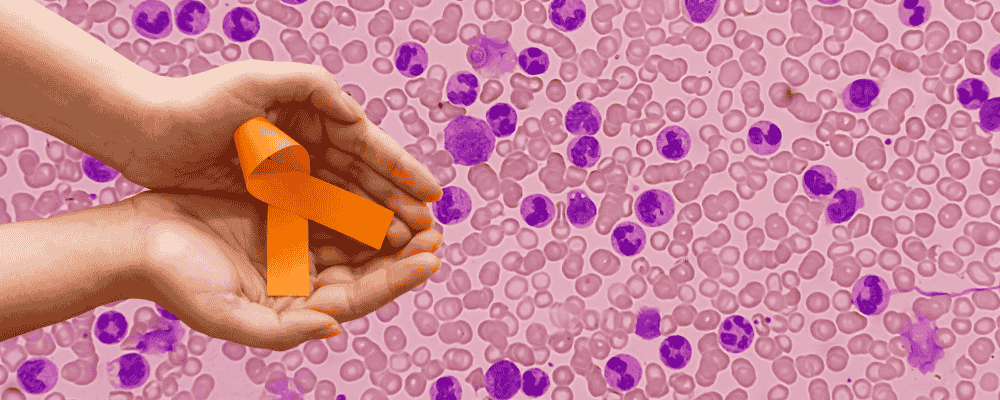
Leukemia is a type of cancer that affects the blood and bone marrow, where blood cells are made. It occurs when the body produces abnormal white blood cells that do not function properly. These abnormal cells grow uncontrollably and interfere with the production of healthy blood cells.
In this guide, we’ll explain leukemia in simple terms, including its types, causes, and how it develops.
What Is Leukemia?
Leukemia begins in the bone marrow, the soft tissue inside bones responsible for producing blood cells:
- Red blood cells (RBCs): Carry oxygen
- White blood cells (WBCs): Fight infections
- Platelets: Help blood clot
In leukemia, the bone marrow produces abnormal white blood cells (leukemia cells). These cells:
- Do not fight infections effectively
- Multiply rapidly
- Crowd out healthy blood cells
This leads to symptoms like infections, fatigue, and bleeding problems.
How Leukemia Develops
Leukemia starts when there is a mutation (change) in the DNA of blood-forming cells. This mutation causes cells to:
- Grow uncontrollably
- Avoid natural cell death
- Accumulate in the bone marrow and bloodstream
Over time, these abnormal cells disrupt normal blood production and may spread to other organs like the spleen, liver, or lymph nodes.
Types of Leukemia
Leukemia is classified based on how quickly it progresses and the type of blood cells affected.
1. Acute Leukemia (Fast-Growing)
Acute leukemia develops rapidly and requires immediate treatment.
Acute Lymphocytic Leukemia (ALL)
- Affects lymphoid cells
- Common in children but can occur in adults
- Progresses quickly
Acute Myeloid Leukemia (AML)
- Affects myeloid cells
- More common in adults
- Aggressive and fast-growing
2. Chronic Leukemia (Slow-Growing)
Chronic leukemia develops more slowly and may not show symptoms early.
Chronic Lymphocytic Leukemia (CLL)
- Affects lymphoid cells
- Common in older adults
- Often detected during routine blood tests
Chronic Myeloid Leukemia (CML)
- Affects myeloid cells
- Associated with a genetic abnormality called the Philadelphia chromosome
- Progresses gradually but can become aggressive
Key Differences Between Acute and Chronic Leukemia
| Feature | Acute Leukemia | Chronic Leukemia |
|---|---|---|
| Growth | Rapid | Slow |
| Onset | Sudden | Gradual |
| Symptoms | Severe and early | Mild or absent early |
| Treatment urgency | Immediate | May be delayed |
What Causes Leukemia?
The exact cause of leukemia is not always known, but several risk factors can increase the likelihood of developing it.
1. Genetic Mutations
Changes in DNA can trigger leukemia. Some mutations are acquired over time, while others may be inherited.
- Example: Philadelphia chromosome in CML
- Leads to abnormal cell growth signals
2. Radiation Exposure
High levels of radiation can damage bone marrow cells and increase leukemia risk.
- Radiation therapy
- Nuclear exposure
3. Chemical Exposure
Exposure to certain chemicals is linked to leukemia:
- Benzene (industrial chemical)
- Some chemotherapy drugs
4. Smoking
Smoking increases the risk of certain types of leukemia, especially AML.
5. Family History and Genetic Disorders
Certain inherited conditions can increase risk:
- Down syndrome
- Genetic predisposition
6. Weak Immune System
People with weakened immune systems (due to disease or medication) may have a higher risk.
7. Previous Cancer Treatment
Patients treated with chemotherapy or radiation for other cancers may develop secondary leukemia.
[Source: Cleveland Clinic]
Common Symptoms of Leukemia
Symptoms vary depending on the type, but often include:
- Fatigue and weakness
- Frequent infections
- Fever or chills
- Easy bruising or bleeding
- Weight loss
- Swollen lymph nodes
- Bone or joint pain
These symptoms occur because healthy blood cells are replaced by abnormal ones.
Why Early Diagnosis Matters
Early detection of leukemia can:
- Improve treatment outcomes
- Prevent complications
- Increase survival rates
Doctors use blood tests, bone marrow biopsy, and genetic testing to diagnose leukemia.
Conclusion
Leukemia is a serious but treatable cancer that affects the blood and bone marrow. Understanding its types and causes helps in early detection and better management.
With advances in medical research, treatments such as chemotherapy, targeted therapy, and stem cell transplants are improving survival rates and quality of life for many patients.
FAQs
1. Is leukemia curable?
Some types of leukemia can be cured, especially when detected early.
2. What is the most common type of leukemia?
Chronic lymphocytic leukemia (CLL) is the most common in adults.
3. Can children get leukemia?
Yes, especially acute lymphocytic leukemia (ALL).
4. What is the main cause of leukemia?
It is caused by genetic mutations in blood-forming cells, often with unknown exact triggers.
5. How is leukemia diagnosed?
Through blood tests, bone marrow biopsy, and genetic testing.
References
- Mayo Clinic – Leukemia
https://www.mayoclinic.org/diseases-conditions/leukemia/symptoms-causes/syc-20374373 - MedlinePlus – Leukemia
https://medlineplus.gov/leukemia.html - Cleveland Clinic – Leukemia Overview
https://my.clevelandclinic.org/health/diseases/4365-leukemia - Columbia University – About Leukemia
https://www.cancer.columbia.edu/cancer-types-care/types/leukemia/about-leukemia - NCBI – Leukemia Overview
https://www.ncbi.nlm.nih.gov/books/NBK560490/