Description
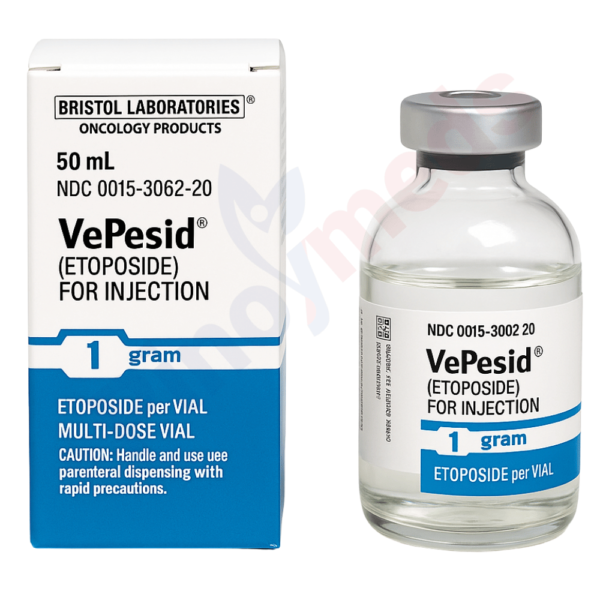
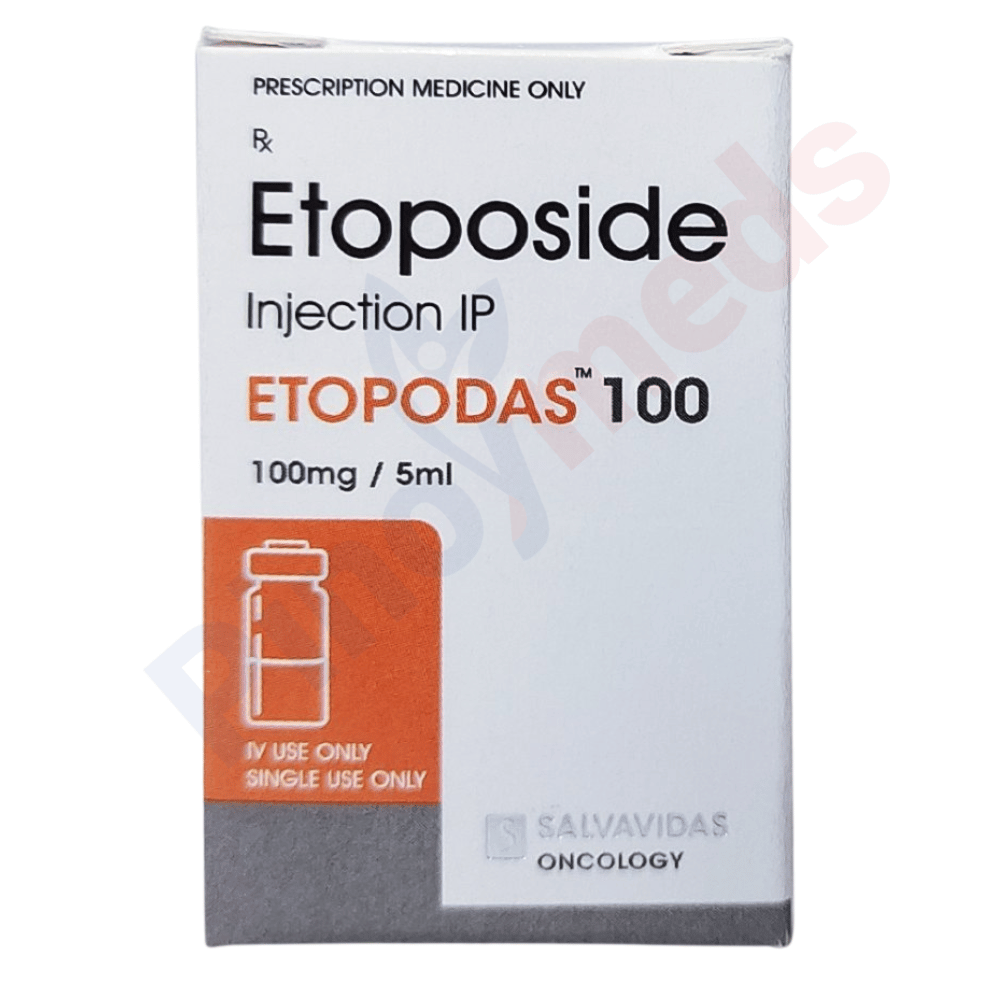
Etopodas Injection - Detailed Product Information
Etopodas Injection is listed on pinoymeds.ph with detailed information to support careful product review before purchase. This page is designed for informed readers who compare product scope, practical usage context, handling expectations, and ordering workflow in one place. The content below is educational and operational in nature and should not replace clinical diagnosis, direct physician advice, or individualized treatment planning.
Existing product note: Etoposide injection (VP-16) is administered alongside other cancer medications to manage testicular cancer and small cell lung cancer. It is sometimes utilized for treating various cancers in both men and women. Etoposide falls under the category of antineoplastic agents. While the precise mechanism of etoposide against cancer remains unknown, it appears to disrupt the proliferation of cancer cells, leading to their demise. Due to its impact on normal cell growth, etoposide may induce various effects, some of which could be severe and necessitate reporting to a healthcare provider. Adverse effects, such as hair loss, may raise concerns, although they are not necessarily critical. Certain effects might only manifest months or years following the drug's administration.
Product identity and verification: Confirm product name, concentration or strength, dosage form, pack size, and supplier details before order finalization. Cross-check labels, invoices, and prescribing instructions so ordering records remain accurate across teams and care settings.
Intended usage context: Products in this category are generally used within supervised healthcare workflows. Use should align with prescription intent, clinical eligibility, and local regulation. Where institutional protocols exist, follow those protocols first and document exceptions with responsible clinician approval.
Professional supervision expectations: Product administration decisions should be made by licensed professionals who can review patient-specific history, potential interactions, and contraindication considerations. Independent unsupervised use is discouraged for products requiring clinical oversight.
Dose planning and scheduling discipline: Respect prescribed timing and quantity instructions. Maintain a clear administration log where needed, especially in long-course therapy. Structured logging helps continuity between shifts, tele-consult follow-up, and audit readiness in regulated environments.
Storage and handling fundamentals: Keep products in recommended environmental conditions and away from contamination risks. Confirm storage ranges, humidity sensitivity, and light exposure guidance from the label or package insert. Do not use compromised packaging or uncertain chain-of-custody stock.
Supply continuity and reorder planning: Estimate consumption windows conservatively and reorder early enough to avoid therapy interruptions. For clinical programs or dependent repeat buyers, maintain a rolling buffer strategy and assign ownership for reorder reminders and stock-level checks.
Dispensing communication quality: Provide clear, plain-language instructions and reinforce key safety points at handover. Good counseling includes use schedule, what to monitor, what to avoid, and when to escalate. Repeat-back style communication improves comprehension and adherence outcomes.
Adherence and follow-through management: Strong outcomes often depend on consistent use patterns and practical follow-up. Build routines around reminders, check-ins, and documented milestone reviews. Where adherence barriers exist, address cost, logistics, and understanding gaps proactively.
Safety monitoring and escalation path: If unusual effects, non-response, or tolerance concerns appear, escalate promptly to qualified clinicians. Preserve chronology of events, recent product history, and relevant co-therapy details to accelerate safe decision-making during review.
Quality assurance and documentation standards: Keep records for procurement source, batch identifiers where available, date of receipt, and dispense trail. Reliable documentation supports pharmacovigilance, internal quality systems, and accountable customer support operations.
Compatibility with broader care plans: Product usage should fit into an integrated treatment strategy rather than isolated action. Encourage coordinated review with diagnostic status, current care objectives, and realistic follow-up cadence to reduce fragmentation risks.
Customer support and service operations: For availability checks, timeline commitments, and fulfillment support, contact the support team before checkout completion. Early coordination helps align substitutions, quantity planning, and delivery expectations with real operational capacity.
Responsible information boundaries: Product pages provide structured guidance, not definitive clinical directives. Users should avoid self-adjusting treatment plans based solely on listing text. Final therapeutic decisions belong to licensed clinicians with full case context.
Post-purchase handling and review cycle: After receipt, confirm product condition, correctness, and labeling immediately. Report discrepancies quickly. In ongoing therapy contexts, schedule periodic review so therapy quality, tolerability, and plan fit remain continuously validated.
Product identity and verification: Confirm product name, concentration or strength, dosage form, pack size, and supplier details before order finalization. Cross-check labels, invoices, and prescribing instructions so ordering records remain accurate across teams and care settings.
Intended usage context: Products in this category are generally used within supervised healthcare workflows. Use should align with prescription intent, clinical eligibility, and local regulation. Where institutional protocols exist, follow those protocols first and document exceptions with responsible clinician approval.
Professional supervision expectations: Product administration decisions should be made by licensed professionals who can review patient-specific history, potential interactions, and contraindication considerations. Independent unsupervised use is discouraged for products requiring clinical oversight.
Dose planning and scheduling discipline: Respect prescribed timing and quantity instructions. Maintain a clear administration log where needed, especially in long-course therapy. Structured logging helps continuity between shifts, tele-consult follow-up, and audit readiness in regulated environments.
Storage and handling fundamentals: Keep products in recommended environmental conditions and away from contamination risks. Confirm storage ranges, humidity sensitivity, and light exposure guidance from the label or package insert. Do not use compromised packaging or uncertain chain-of-custody stock.
Supply continuity and reorder planning: Estimate consumption windows conservatively and reorder early enough to avoid therapy interruptions. For clinical programs or dependent repeat buyers, maintain a rolling buffer strategy and assign ownership for reorder reminders and stock-level checks.
Dispensing communication quality: Provide clear, plain-language instructions and reinforce key safety points at handover. Good counseling includes use schedule, what to monitor, what to avoid, and when to escalate. Repeat-back style communication improves comprehension and adherence outcomes.
Adherence and follow-through management: Strong outcomes often depend on consistent use patterns and practical follow-up. Build routines around reminders, check-ins, and documented milestone reviews. Where adherence barriers exist, address cost, logistics, and understanding gaps proactively.
Safety monitoring and escalation path: If unusual effects, non-response, or tolerance concerns appear, escalate promptly to qualified clinicians. Preserve chronology of events, recent product history, and relevant co-therapy details to accelerate safe decision-making during review.
Quality assurance and documentation standards: Keep records for procurement source, batch identifiers where available, date of receipt, and dispense trail. Reliable documentation supports pharmacovigilance, internal quality systems, and accountable customer support operations.
Important: This information is for product understanding and operational planning only. Always use medicines and related products under guidance from qualified healthcare professionals.
















Reviews
Clear filtersThere are no reviews yet.