



Lenvatinib
Overview of Lenvatinib
Lenvatinib is a powerful and targeted anti-cancer medicine used to treat several types of advanced or metastatic cancers. It is sold under the brand name Lenvima, among others.
It is classified as a multi-kinase inhibitor, a medication that blocks the activity of specific enzymes known as receptor tyrosine kinases (RTKs). These enzymes are essential for the growth and spread of cancer cells, especially for forming new blood vessels (angiogenesis) that tumors use to nourish themselves.
Molecular Characteristics of Lenvatinib
- Generic Name: Lenvatinib
- Chemical Name: 4-[3-chloro-4-(cyclopropylcarbamoylamino)phenoxy]-7-methoxyquinoline-6-carboxamide
- Chemical Classification: Multikinase Inhibitor (Tyrosine Kinase Inhibitor)
- Molecular Formula: C₂₁H₁₉ClN₄O₄
- Molecular Weight: 426.85 g/mol
- Structure: Lenvatinib is a small molecule that inhibits multiple receptor tyrosine kinases in tumor growth and angiogenesis.
Discovery & Development
Eisai Co., Ltd, developed Lenvatinib. It was first approved in 2015 for the treatment of certain types of thyroid cancer. Since then, its indications have expanded to include other cancers.
Approval & Regulatory Status
- FDA Approval
- EMA Approval
- Philippines FDA Approval
- Philippine Food and Drug Administration (FDA Philippines)
How Lenvatinib Works: Mechanism of Action
Lenvatinib is a targeted therapy that blocks the activity of multiple receptor tyrosine kinases (RTKs)—proteins located on the surface of cells that play crucial roles in transmitting signals for cell growth, survival, and blood vessel formation.
In many types of cancer, these signaling pathways become overactive, leading to uncontrolled tumor growth and the development of new blood vessels (a process called angiogenesis) that feed the tumor.
Lenvatinib’s ability to simultaneously target several of these pathways makes it a multi-kinase inhibitor, giving it a broader and more effective approach to treating various cancers.
Key Targets of Lenvatinib
- Vascular Endothelial Growth Factor Receptors (VEGFR 1, 2, and 3)
- These receptors are critical for forming new blood vessels (angiogenesis).
- Tumors rely on VEGFRs to build a blood supply, which delivers oxygen and nutrients essential for tumor growth and metastasis (spread to other parts of the body).
- By blocking VEGFRs, lenvatinib starves the tumor, slowing its growth and reducing its ability to spread.
- Fibroblast Growth Factor Receptors (FGFR 1 through 4)
- FGFRs are involved in cancer cell growth, survival, migration, and angiogenesis.
- Some cancers have mutations or overexpression of FGFRs, making them more aggressive.
- Lenvatinib inhibits FGFR signaling, helping to suppress tumor progression and resistance to other treatments.
- Platelet-Derived Growth Factor Receptor Alpha (PDGFRα)
- PDGFRα supports cell division and the development of the tumor microenvironment (the cells and structures that support tumor growth).
- Inhibiting this receptor disrupts the tumor’s supportive environment, making it harder for the cancer to grow and spread.
- RET Proto-Oncogene
- The RET gene can become abnormally activated in some cancers, such as thyroid and lung cancer.
- RET mutations lead to persistent cell signaling that promotes cancer cell survival and division.
- Lenvatinib blocks RET signaling, helping to shut down this abnormal growth signal.
- KIT Proto-Oncogene (c-KIT)
- KIT plays a role in cell differentiation and survival.
- Mutations or overactivation of KIT are implicated in certain cancers, including gastrointestinal stromal tumors (GIST).
- Lenvatinib’s inhibition of KIT further disrupts cancer cell signaling and proliferation.
What This Means in Cancer Treatment
By targeting all of these pathways at once, lenvatinib offers a multi-faceted attack against cancer:
- Slows tumor cell growth by halting the signals that tell cancer cells to multiply.
- Inhibits angiogenesis to deprive tumors of their blood supply.
- Disrupts the tumor microenvironment, making it harder for cancer cells to thrive and evade treatment.
- Reduces metastasis potential by interfering with pathways that allow cancer to spread to other tissues.
This multi-targeted action makes lenvatinib especially valuable in treating advanced and aggressive cancers, particularly when other therapies are no longer effective.
Pharmacology
Pharmacokinetics
- Absorption: Lenvatinib is rapidly absorbed after oral administration, with peak plasma concentrations occurring approximately 1 to 4 hours after the dose.
- Distribution: It is highly bound to plasma proteins (~98–99%), primarily to albumin.
- Metabolism: Lenvatinib is metabolized primarily in the liver by cytochrome P450 3A4 (CYP3A4) and aldehyde oxidase.
- Elimination: The drug is eliminated via both feces (64%) and urine (25%).
Pharmacodynamics
Lenvatinib exhibits its antitumor effects by inhibiting the kinase activities of its target receptors, leading to reduced tumor angiogenesis and proliferation.
Bioavailability & Half-life
- Bioavailability: Approximately 85%
- Half-life: Approximately 28 hours
Indications & Uses of Lenvatinib
FDA-Approved and Clinically Established Uses
Lenvatinib is approved for the treatment of several difficult-to-treat and advanced cancers. It is typically used when other treatments are no longer effective or inappropriate. The following are its main, evidence-based medical indications:
- Differentiated Thyroid Cancer (DTC)
Lenvatinib is approved for adults with locally recurrent or metastatic differentiated thyroid cancer that is progressive and refractory to radioactive iodine (RAI) treatment. This includes papillary, follicular, and Hürthle cell thyroid cancers. - Renal Cell Carcinoma (RCC)
Used in combination with everolimus, lenvatinib is indicated for the treatment of advanced RCC in patients who have previously received one anti-angiogenic therapy. This combination offers improved progression-free survival compared to everolimus alone. - Hepatocellular Carcinoma (HCC)
Lenvatinib is approved as a first-line therapy for adults with unresectable HCC (liver cancer that cannot be surgically removed). It has been shown to provide similar overall survival rates to sorafenib, with better progression-free survival. - Endometrial Carcinoma
When combined with the immunotherapy drug pembrolizumab, lenvatinib is used for patients with advanced endometrial carcinoma that is not microsatellite instability-high (MSI-H) or mismatch repair deficient (dMMR). It is an option for patients who have experienced disease progression after prior systemic treatment and are not candidates for curative surgery or radiation.
Emerging and Investigational (Off-Label) Uses
While lenvatinib is not officially approved for these indications, ongoing research and clinical trials are exploring its potential in other cancer types:
- Breast Cancer: Studies are examining lenvatinib in combination with hormonal or immunotherapeutic agents for select subtypes of advanced or metastatic breast cancer, especially in patients resistant to standard therapies.
- Colorectal Cancer: Clinical trials evaluate the safety and efficacy of lenvatinib in metastatic colorectal cancer, particularly when combined with other targeted therapies or immune checkpoint inhibitors.
Common Side Effects of Lenvatinib
Like many cancer treatments, Lenvatinib may cause a range of side effects. These vary from person to person and depend on dosage, treatment duration, and the patient’s overall health.
While some side effects are mild and manageable, others may require medical attention.
Frequently Reported Side Effects
The following are the most commonly experienced side effects during lenvatinib treatment:
- High Blood Pressure (Hypertension): One of the most common side effects. Patients should have their blood pressure monitored regularly. If blood pressure becomes elevated, medication adjustments or antihypertensives may be necessary.
- Diarrhea: It can occur frequently and may lead to dehydration. It is essential to stay well-hydrated and notify your healthcare provider if the condition persists or becomes severe.
- Fatigue: Many patients report feeling unusually tired or lacking energy. Getting adequate rest, pacing activities, and light exercise can help manage this.
- Loss of Appetite: Appetite changes may lead to reduced food intake. Nutritional support and small, frequent meals may help maintain calorie intake.
- Weight Loss: Weight should be tracked regularly. If a significant loss occurs, consider consulting a dietitian for a high-calorie nutritional plan.
- Nausea and Vomiting: These symptoms can often be managed with prescribed anti-nausea medications. Eating bland foods and staying hydrated can also help.
- Stomatitis (Mouth Sores or Inflammation): This can cause discomfort while eating or drinking. Gentle oral hygiene and alcohol-free mouth rinses may provide relief.
- Proteinuria (Protein in Urine): Lenvatinib can affect kidney function, resulting in excess protein in the urine. Routine urine tests can help detect and manage this side effect early.
- Hand-Foot Syndrome (Palmar-Plantar Erythrodysesthesia): Symptoms include redness, pain, or peeling of the skin on the palms and soles. Using moisturizers, avoiding friction or heat, and wearing loose footwear can reduce symptoms.
Serious Side Effects – Seek Immediate Medical Attention
While less common, some side effects are serious and may signal life-threatening complications. Contact a healthcare provider right away if any of the following occur:
- Liver Problems: Signs include yellowing of the skin or eyes (jaundice), dark urine, or persistent upper abdominal pain.
- Kidney Dysfunction: Watch for changes in urine output, swelling in the legs or feet, or signs of fluid retention.
- Heart Conditions: Symptoms may include chest pain, shortness of breath, or an irregular heartbeat. These could indicate heart failure or other cardiac issues.
- Excessive Bleeding or Bruising: Unusual bleeding from the gums, nose, or minor cuts that take long to clot should be taken seriously.
- Gastrointestinal Perforation or Fistula: This rare but critical side effect involves a tear or hole in the digestive tract. Symptoms may include sudden, severe abdominal pain, nausea, or vomiting with blood.
Available Medicines for This Molecule
- Brand Name: Lenvima®
- Generic Name: Lenvatinib
- Dosage Forms: Oral capsules available in various strengths.
| Brand Name | Strengths Available | Manufacturer |
| Lenvima® | 4 mg, 10 mg | Eisai Co., Ltd. |
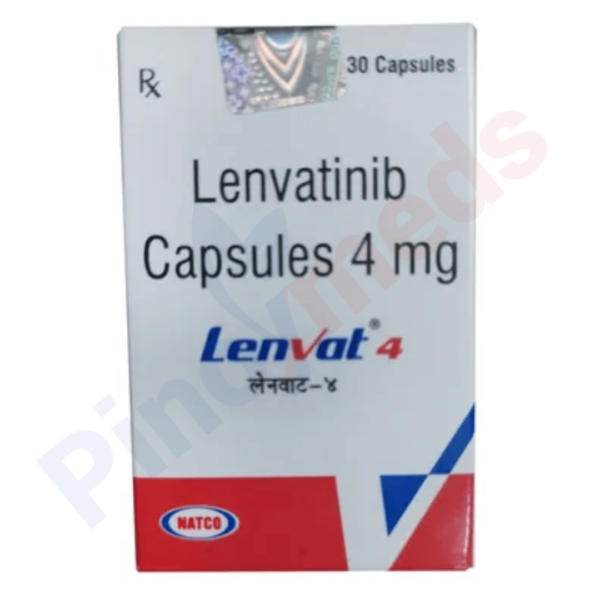
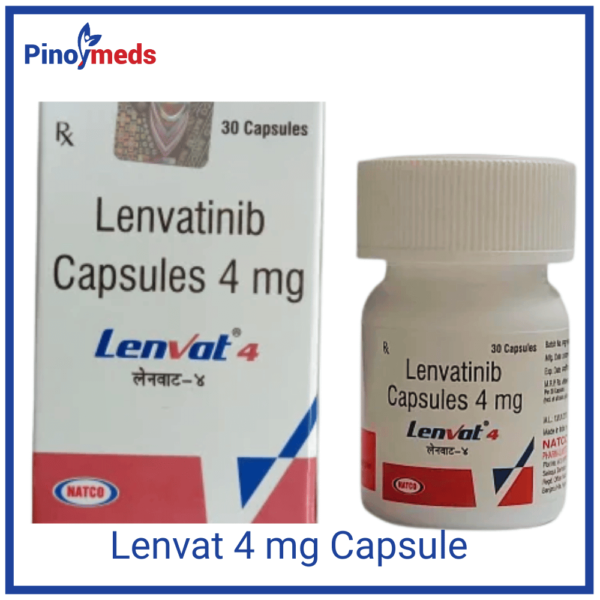
| Lenvat | 4 mg, 10 mg | Natco Pharma Ltd. |
| Lenvatol | 4 mg, 10 mg | Cipla Ltd. |
| Lenvakast | 4 mg, 10 mg | Aprazer Healthcare Pvt Ltd. |
| Lenvenib | 4 mg, 10 mg | Sun Pharmaceutical Industries Ltd. |
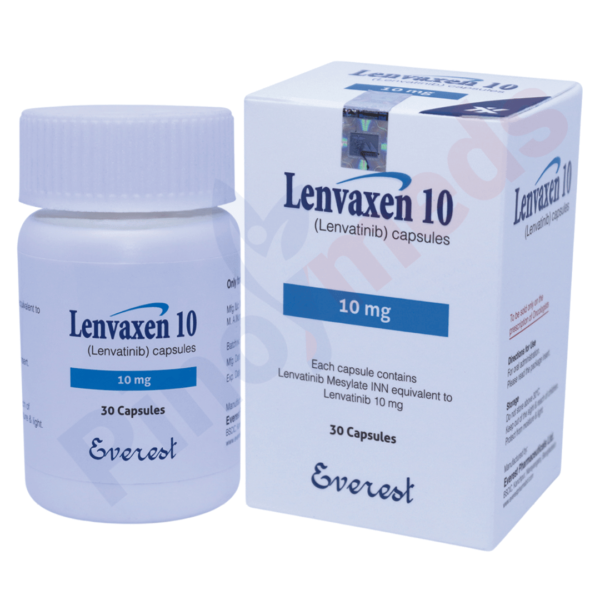
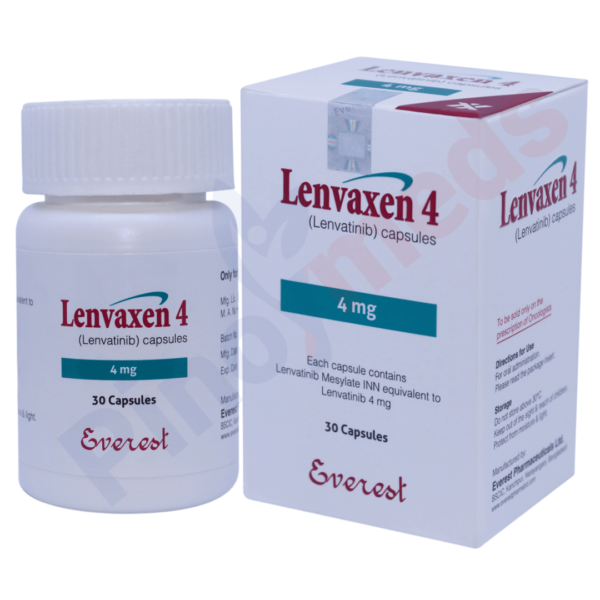
| Lenvaxen | 10 mg | Everest Pharmaceuticals |
| Lented | 10 mg | Zydus Cadila |
Clinical Trials & Approvals
Extensive clinical research supports Lenvatinib’s approval for use in multiple cancers. Several large-scale, well-conducted trials have evaluated its safety, efficacy, and outcomes across cancer types.
These studies formed the foundation for its regulatory approval worldwide, including in the Philippines.
Key Clinical Trials
SELECT Trial
- Study Type: Phase III, randomized, double-blind, placebo-controlled trial
- Focus: Differentiated Thyroid Cancer (DTC)
- Participants: 392 patients with radioactive iodine-refractory DTC
- Results:
- Lenvatinib significantly improved progression-free survival (PFS) compared to placebo (median PFS: 18.3 months vs. 3.6 months).
- The objective response rate (ORR) was 64.8% in the lenvatinib group.
- Impact: These results led to the FDA approval of lenvatinib for RAI-refractory DTC in 2015.
- ClinicalTrials.gov ID: NCT01321554
REFLECT Trial
- Study Type: Phase III, randomized, open-label, non-inferiority trial
- Focus: Unresectable Hepatocellular Carcinoma (HCC)
- Participants: 954 patients (first-line treatment)
- Results:
- Lenvatinib was non-inferior to sorafenib in terms of overall survival (OS: 13.6 months vs. 12.3 months)
- Lenvatinib showed superior progression-free survival (PFS) and objective response rate (ORR) (24% vs. 9%) compared to sorafenib.
- Impact: Established lenvatinib as a first-line option for unresectable HCC.
- ClinicalTrials.gov ID: NCT01761266
CLEAR Trial
- Study Type: Phase III, randomized, open-label trial
- Focus: Advanced Renal Cell Carcinoma (RCC)
- Participants: 1,069 patients
- Results:
- Lenvatinib combined with pembrolizumab significantly improved progression-free survival (23.9 months vs. 9.2 months with sunitinib).
- The lenvatinib-pembrolizumab group also showed higher overall response rate (ORR) and overall survival (OS) benefits.
- Impact: Supported using lenvatinib + pembrolizumab as a frontline treatment for advanced RCC.
- ClinicalTrials.gov ID: NCT02811861
This content is for informational purposes only and should not replace professional medical advice. Always consult a healthcare provider before starting any new medication.
References:
MedlinePlus: Lenvatinib Drug Information Click here
DrugBank: Lenvatinib Drug Profile Click here
Mayo Clinic: Lenvatinib (Oral Route) – Description and Use Click here
Medscape Drug Reference – Lenvatinib (Lenvima) Drug Monograph Click here
MIMS Philippines – Lenvatinib Drug Info: Click here
NCBI Bookshelf – Lenvatinib Overview: Click here
Showing all 8 results
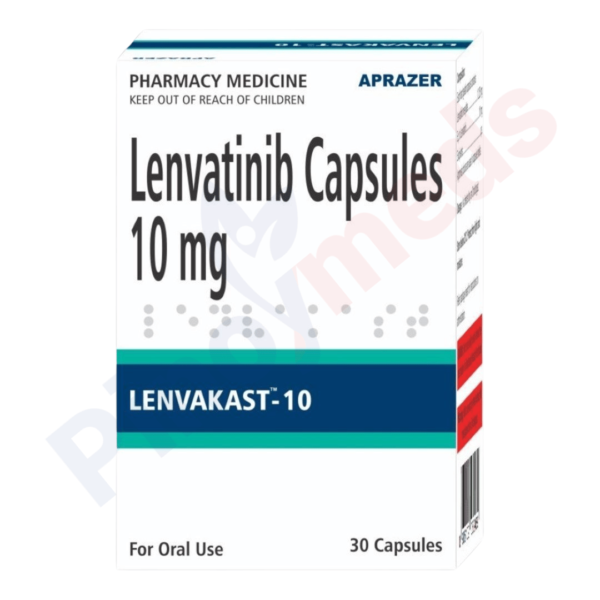
Lenvakast Lenvatinib 10 mg Capsule
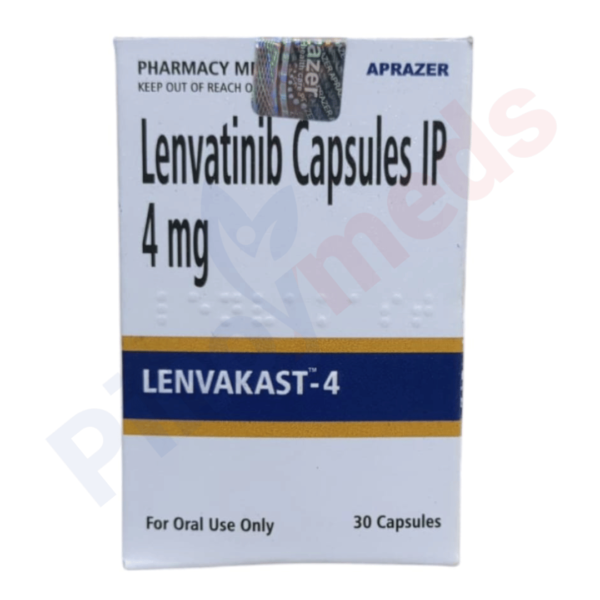
Lenvakast Lenvatinib 4 mg Capsule
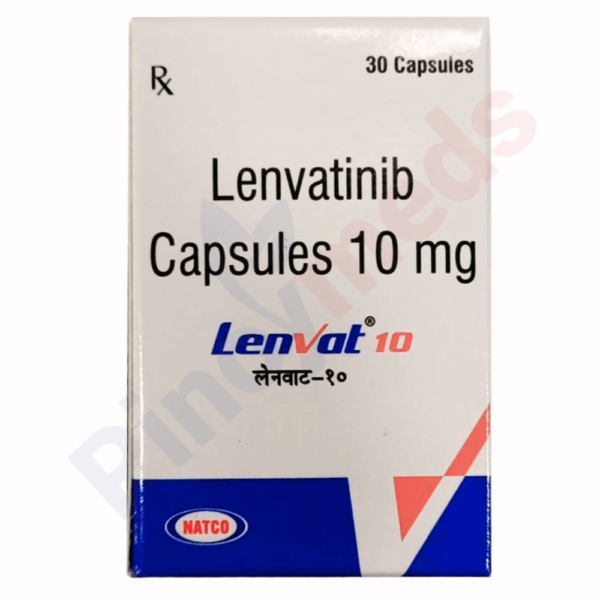
Lenvaxen Lenvatinib 10 mg Capsule
Lenvaxen Lenvatinib 4 mg Capsule
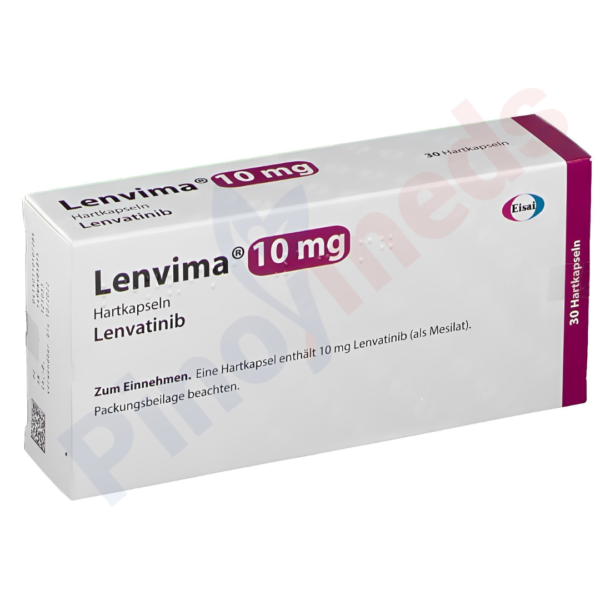
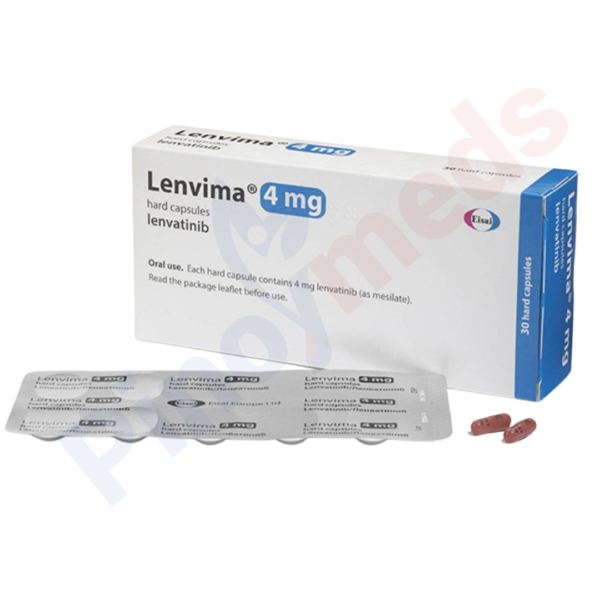
Lenvima Lenvatinib 4 mg Capsule
- - Overview of Lenvatinib
- - Molecular Characteristics of Lenvatinib
- - How Lenvatinib Works: Mechanism of Action
- - Pharmacology
- - Indications & Uses of Lenvatinib
- - Common Side Effects of Lenvatinib
- - Available Medicines for This Molecule
- - Clinical Trials & Approvals - Faq
Last updated on 31-03-2026 23:49:38
Overview
Overview of Lenvatinib
Lenvatinib is a powerful and targeted anti-cancer medicine used to treat several types of advanced or metastatic cancers. It is sold under the brand name Lenvima, among others.
It is classified as a multi-kinase inhibitor, a medication that blocks the activity of specific enzymes known as receptor tyrosine kinases (RTKs). These enzymes are essential for the growth and spread of cancer cells, especially for forming new blood vessels (angiogenesis) that tumors use to nourish themselves.
Molecular Characteristics of Lenvatinib
- Generic Name: Lenvatinib
- Chemical Name: 4-[3-chloro-4-(cyclopropylcarbamoylamino)phenoxy]-7-methoxyquinoline-6-carboxamide
- Chemical Classification: Multikinase Inhibitor (Tyrosine Kinase Inhibitor)
- Molecular Formula: C₂₁H₁₉ClN₄O₄
- Molecular Weight: 426.85 g/mol
- Structure: Lenvatinib is a small molecule that inhibits multiple receptor tyrosine kinases in tumor growth and angiogenesis.
Discovery & Development
Eisai Co., Ltd, developed Lenvatinib. It was first approved in 2015 for the treatment of certain types of thyroid cancer. Since then, its indications have expanded to include other cancers.
Approval & Regulatory Status
- FDA Approval
- EMA Approval
- Philippines FDA Approval
- Philippine Food and Drug Administration (FDA Philippines)
How Lenvatinib Works: Mechanism of Action
Lenvatinib is a targeted therapy that blocks the activity of multiple receptor tyrosine kinases (RTKs)—proteins located on the surface of cells that play crucial roles in transmitting signals for cell growth, survival, and blood vessel formation.
In many types of cancer, these signaling pathways become overactive, leading to uncontrolled tumor growth and the development of new blood vessels (a process called angiogenesis) that feed the tumor.
Lenvatinib’s ability to simultaneously target several of these pathways makes it a multi-kinase inhibitor, giving it a broader and more effective approach to treating various cancers.
Key Targets of Lenvatinib
- Vascular Endothelial Growth Factor Receptors (VEGFR 1, 2, and 3)
- These receptors are critical for forming new blood vessels (angiogenesis).
- Tumors rely on VEGFRs to build a blood supply, which delivers oxygen and nutrients essential for tumor growth and metastasis (spread to other parts of the body).
- By blocking VEGFRs, lenvatinib starves the tumor, slowing its growth and reducing its ability to spread.
- Fibroblast Growth Factor Receptors (FGFR 1 through 4)
- FGFRs are involved in cancer cell growth, survival, migration, and angiogenesis.
- Some cancers have mutations or overexpression of FGFRs, making them more aggressive.
- Lenvatinib inhibits FGFR signaling, helping to suppress tumor progression and resistance to other treatments.
- Platelet-Derived Growth Factor Receptor Alpha (PDGFRα)
- PDGFRα supports cell division and the development of the tumor microenvironment (the cells and structures that support tumor growth).
- Inhibiting this receptor disrupts the tumor’s supportive environment, making it harder for the cancer to grow and spread.
- RET Proto-Oncogene
- The RET gene can become abnormally activated in some cancers, such as thyroid and lung cancer.
- RET mutations lead to persistent cell signaling that promotes cancer cell survival and division.
- Lenvatinib blocks RET signaling, helping to shut down this abnormal growth signal.
- KIT Proto-Oncogene (c-KIT)
- KIT plays a role in cell differentiation and survival.
- Mutations or overactivation of KIT are implicated in certain cancers, including gastrointestinal stromal tumors (GIST).
- Lenvatinib’s inhibition of KIT further disrupts cancer cell signaling and proliferation.
What This Means in Cancer Treatment
By targeting all of these pathways at once, lenvatinib offers a multi-faceted attack against cancer:
- Slows tumor cell growth by halting the signals that tell cancer cells to multiply.
- Inhibits angiogenesis to deprive tumors of their blood supply.
- Disrupts the tumor microenvironment, making it harder for cancer cells to thrive and evade treatment.
- Reduces metastasis potential by interfering with pathways that allow cancer to spread to other tissues.
This multi-targeted action makes lenvatinib especially valuable in treating advanced and aggressive cancers, particularly when other therapies are no longer effective.
Pharmacology
Pharmacokinetics
- Absorption: Lenvatinib is rapidly absorbed after oral administration, with peak plasma concentrations occurring approximately 1 to 4 hours after the dose.
- Distribution: It is highly bound to plasma proteins (~98–99%), primarily to albumin.
- Metabolism: Lenvatinib is metabolized primarily in the liver by cytochrome P450 3A4 (CYP3A4) and aldehyde oxidase.
- Elimination: The drug is eliminated via both feces (64%) and urine (25%).
Pharmacodynamics
Lenvatinib exhibits its antitumor effects by inhibiting the kinase activities of its target receptors, leading to reduced tumor angiogenesis and proliferation.
Bioavailability & Half-life
- Bioavailability: Approximately 85%
- Half-life: Approximately 28 hours
Indications & Uses of Lenvatinib
FDA-Approved and Clinically Established Uses
Lenvatinib is approved for the treatment of several difficult-to-treat and advanced cancers. It is typically used when other treatments are no longer effective or inappropriate. The following are its main, evidence-based medical indications:
- Differentiated Thyroid Cancer (DTC)
Lenvatinib is approved for adults with locally recurrent or metastatic differentiated thyroid cancer that is progressive and refractory to radioactive iodine (RAI) treatment. This includes papillary, follicular, and Hürthle cell thyroid cancers. - Renal Cell Carcinoma (RCC)
Used in combination with everolimus, lenvatinib is indicated for the treatment of advanced RCC in patients who have previously received one anti-angiogenic therapy. This combination offers improved progression-free survival compared to everolimus alone. - Hepatocellular Carcinoma (HCC)
Lenvatinib is approved as a first-line therapy for adults with unresectable HCC (liver cancer that cannot be surgically removed). It has been shown to provide similar overall survival rates to sorafenib, with better progression-free survival. - Endometrial Carcinoma
When combined with the immunotherapy drug pembrolizumab, lenvatinib is used for patients with advanced endometrial carcinoma that is not microsatellite instability-high (MSI-H) or mismatch repair deficient (dMMR). It is an option for patients who have experienced disease progression after prior systemic treatment and are not candidates for curative surgery or radiation.
Emerging and Investigational (Off-Label) Uses
While lenvatinib is not officially approved for these indications, ongoing research and clinical trials are exploring its potential in other cancer types:
- Breast Cancer: Studies are examining lenvatinib in combination with hormonal or immunotherapeutic agents for select subtypes of advanced or metastatic breast cancer, especially in patients resistant to standard therapies.
- Colorectal Cancer: Clinical trials evaluate the safety and efficacy of lenvatinib in metastatic colorectal cancer, particularly when combined with other targeted therapies or immune checkpoint inhibitors.
Common Side Effects of Lenvatinib
Like many cancer treatments, Lenvatinib may cause a range of side effects. These vary from person to person and depend on dosage, treatment duration, and the patient’s overall health.
While some side effects are mild and manageable, others may require medical attention.
Frequently Reported Side Effects
The following are the most commonly experienced side effects during lenvatinib treatment:
- High Blood Pressure (Hypertension): One of the most common side effects. Patients should have their blood pressure monitored regularly. If blood pressure becomes elevated, medication adjustments or antihypertensives may be necessary.
- Diarrhea: It can occur frequently and may lead to dehydration. It is essential to stay well-hydrated and notify your healthcare provider if the condition persists or becomes severe.
- Fatigue: Many patients report feeling unusually tired or lacking energy. Getting adequate rest, pacing activities, and light exercise can help manage this.
- Loss of Appetite: Appetite changes may lead to reduced food intake. Nutritional support and small, frequent meals may help maintain calorie intake.
- Weight Loss: Weight should be tracked regularly. If a significant loss occurs, consider consulting a dietitian for a high-calorie nutritional plan.
- Nausea and Vomiting: These symptoms can often be managed with prescribed anti-nausea medications. Eating bland foods and staying hydrated can also help.
- Stomatitis (Mouth Sores or Inflammation): This can cause discomfort while eating or drinking. Gentle oral hygiene and alcohol-free mouth rinses may provide relief.
- Proteinuria (Protein in Urine): Lenvatinib can affect kidney function, resulting in excess protein in the urine. Routine urine tests can help detect and manage this side effect early.
- Hand-Foot Syndrome (Palmar-Plantar Erythrodysesthesia): Symptoms include redness, pain, or peeling of the skin on the palms and soles. Using moisturizers, avoiding friction or heat, and wearing loose footwear can reduce symptoms.
Serious Side Effects – Seek Immediate Medical Attention
While less common, some side effects are serious and may signal life-threatening complications. Contact a healthcare provider right away if any of the following occur:
- Liver Problems: Signs include yellowing of the skin or eyes (jaundice), dark urine, or persistent upper abdominal pain.
- Kidney Dysfunction: Watch for changes in urine output, swelling in the legs or feet, or signs of fluid retention.
- Heart Conditions: Symptoms may include chest pain, shortness of breath, or an irregular heartbeat. These could indicate heart failure or other cardiac issues.
- Excessive Bleeding or Bruising: Unusual bleeding from the gums, nose, or minor cuts that take long to clot should be taken seriously.
- Gastrointestinal Perforation or Fistula: This rare but critical side effect involves a tear or hole in the digestive tract. Symptoms may include sudden, severe abdominal pain, nausea, or vomiting with blood.
Available Medicines for This Molecule
- Brand Name: Lenvima®
- Generic Name: Lenvatinib
- Dosage Forms: Oral capsules available in various strengths.
| Brand Name | Strengths Available | Manufacturer |
| Lenvima® | 4 mg, 10 mg | Eisai Co., Ltd. |
| Lenvat | 4 mg, 10 mg | Natco Pharma Ltd. |
| Lenvatol | 4 mg, 10 mg | Cipla Ltd. |
| Lenvakast | 4 mg, 10 mg | Aprazer Healthcare Pvt Ltd. |
| Lenvenib | 4 mg, 10 mg | Sun Pharmaceutical Industries Ltd. |
| Lenvaxen | 10 mg | Everest Pharmaceuticals |
| Lented | 10 mg | Zydus Cadila |
Clinical Trials & Approvals
Extensive clinical research supports Lenvatinib’s approval for use in multiple cancers. Several large-scale, well-conducted trials have evaluated its safety, efficacy, and outcomes across cancer types.
These studies formed the foundation for its regulatory approval worldwide, including in the Philippines.
Key Clinical Trials
SELECT Trial
- Study Type: Phase III, randomized, double-blind, placebo-controlled trial
- Focus: Differentiated Thyroid Cancer (DTC)
- Participants: 392 patients with radioactive iodine-refractory DTC
- Results:
- Lenvatinib significantly improved progression-free survival (PFS) compared to placebo (median PFS: 18.3 months vs. 3.6 months).
- The objective response rate (ORR) was 64.8% in the lenvatinib group.
- Impact: These results led to the FDA approval of lenvatinib for RAI-refractory DTC in 2015.
- ClinicalTrials.gov ID: NCT01321554
REFLECT Trial
- Study Type: Phase III, randomized, open-label, non-inferiority trial
- Focus: Unresectable Hepatocellular Carcinoma (HCC)
- Participants: 954 patients (first-line treatment)
- Results:
- Lenvatinib was non-inferior to sorafenib in terms of overall survival (OS: 13.6 months vs. 12.3 months)
- Lenvatinib showed superior progression-free survival (PFS) and objective response rate (ORR) (24% vs. 9%) compared to sorafenib.
- Impact: Established lenvatinib as a first-line option for unresectable HCC.
- ClinicalTrials.gov ID: NCT01761266
CLEAR Trial
- Study Type: Phase III, randomized, open-label trial
- Focus: Advanced Renal Cell Carcinoma (RCC)
- Participants: 1,069 patients
- Results:
- Lenvatinib combined with pembrolizumab significantly improved progression-free survival (23.9 months vs. 9.2 months with sunitinib).
- The lenvatinib-pembrolizumab group also showed higher overall response rate (ORR) and overall survival (OS) benefits.
- Impact: Supported using lenvatinib + pembrolizumab as a frontline treatment for advanced RCC.
- ClinicalTrials.gov ID: NCT02811861
This content is for informational purposes only and should not replace professional medical advice. Always consult a healthcare provider before starting any new medication.
References:
MedlinePlus: Lenvatinib Drug Information Click here
DrugBank: Lenvatinib Drug Profile Click here
Mayo Clinic: Lenvatinib (Oral Route) – Description and Use Click here
Medscape Drug Reference – Lenvatinib (Lenvima) Drug Monograph Click here
MIMS Philippines – Lenvatinib Drug Info: Click here
NCBI Bookshelf – Lenvatinib Overview: Click here
Frequently Asked Questions
What type of drug is Lenvatinib?
Is Lenvatinib a chemotherapy drug?
Is Lenvatinib an immunotherapy?
What is Lenvatinib used for?
How does Lenvatinib work?
How effective is Lenvatinib?
What is the cost of Lenvatinib in the Philippines?
What are the common side effects of Lenvatinib?
Can Lenvatinib be taken during pregnancy or breastfeeding?
What should I do if I experience severe side effects while taking Lenvatinib?
How long can I take Lenvatinib?
Can Lenvatinib interact with other medications?
What precautions should I follow while on Lenvatinib?
Where can I buy Lenvatinib in the Philippines?
Related Posts:
No matching posts found.