



Thyroid Cancer





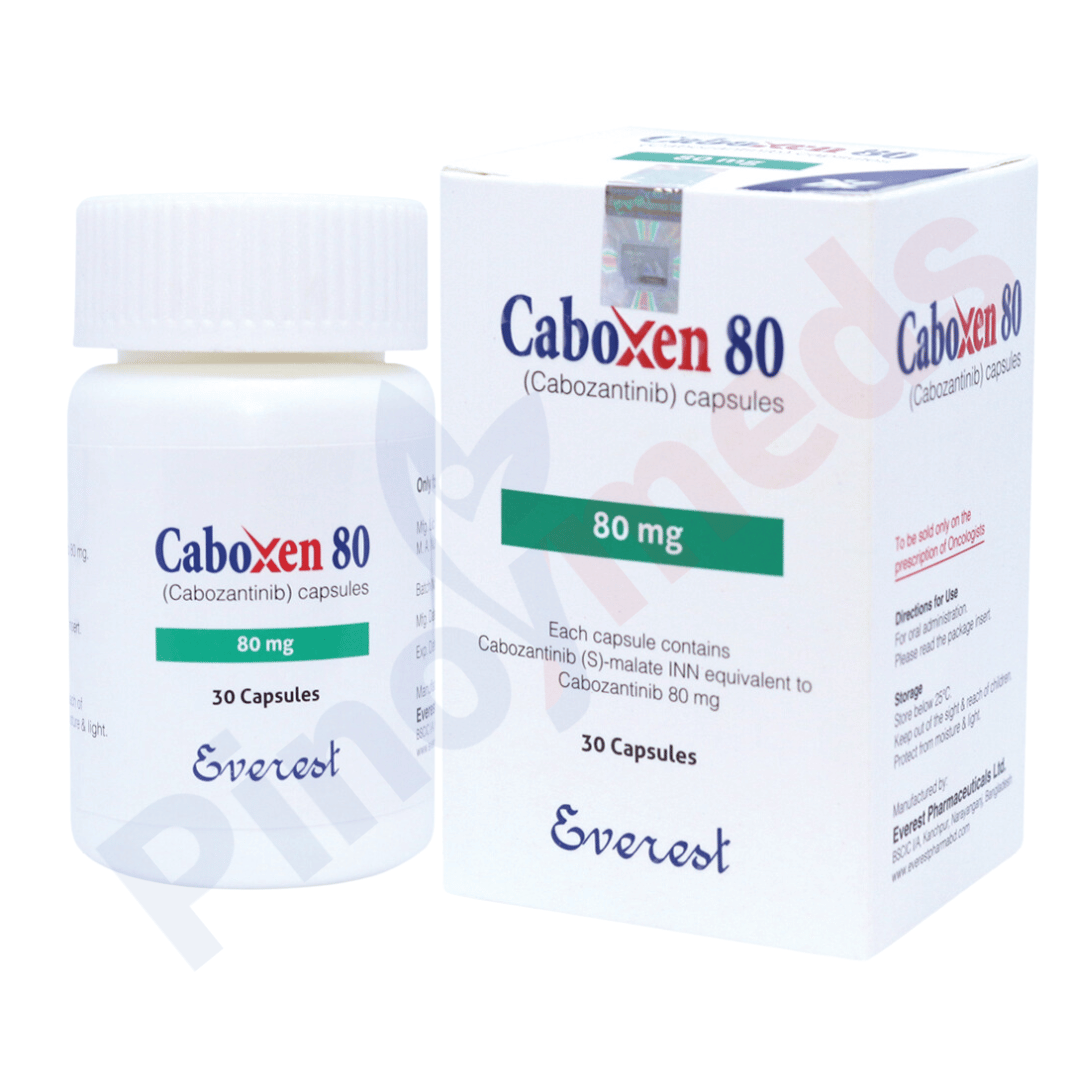

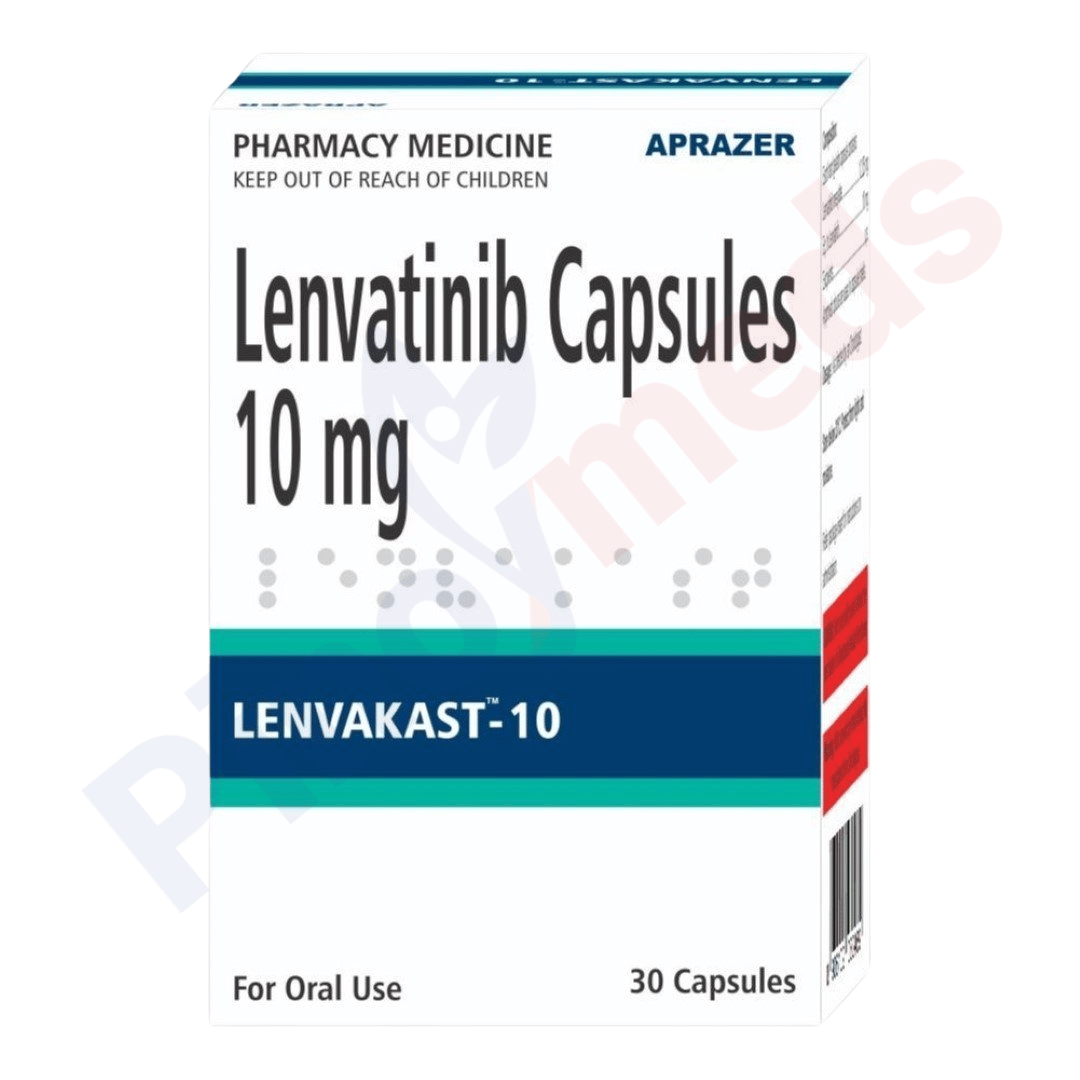
Lenvakast Lenvatinib 10 mg Capsule
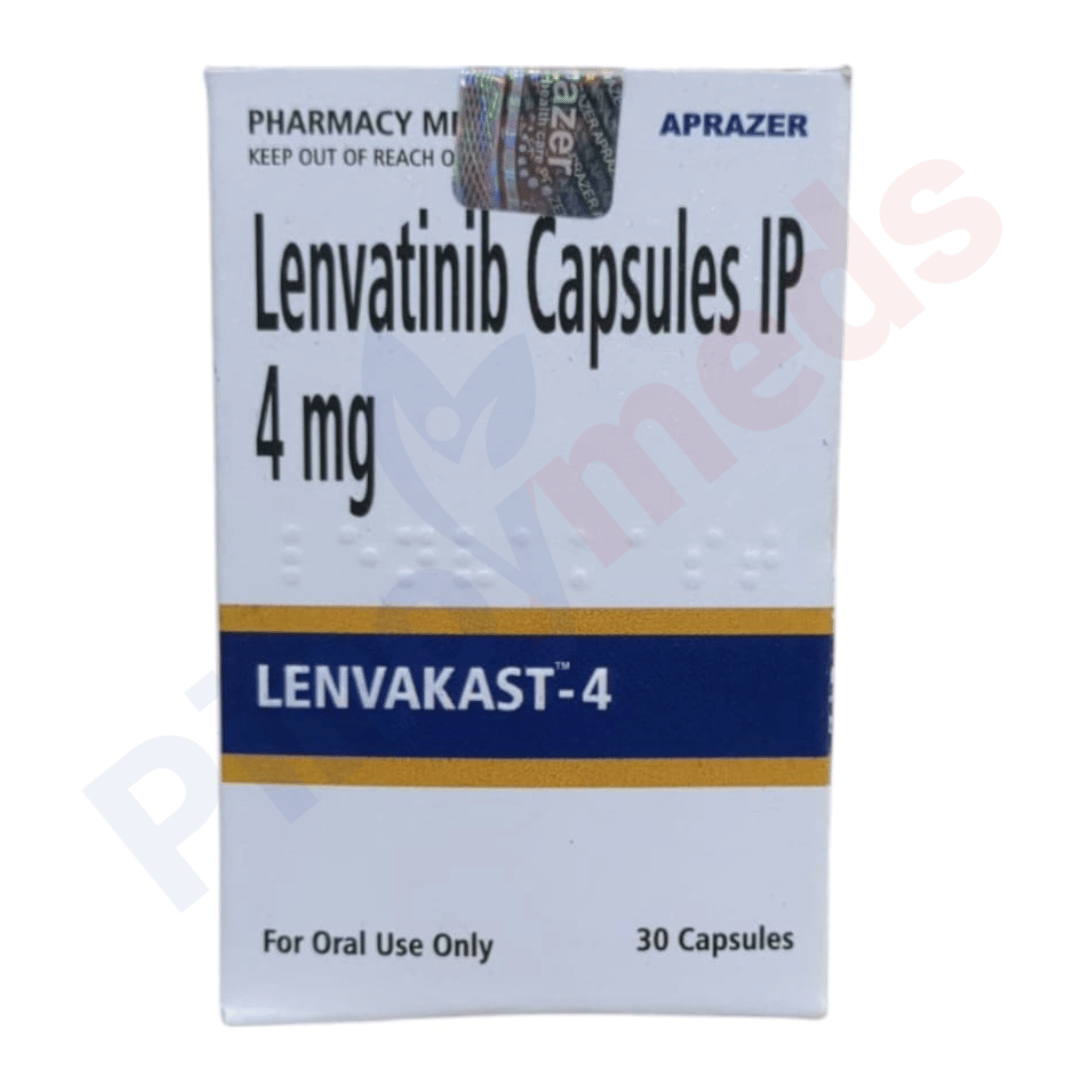
Lenvakast Lenvatinib 4 mg Capsule
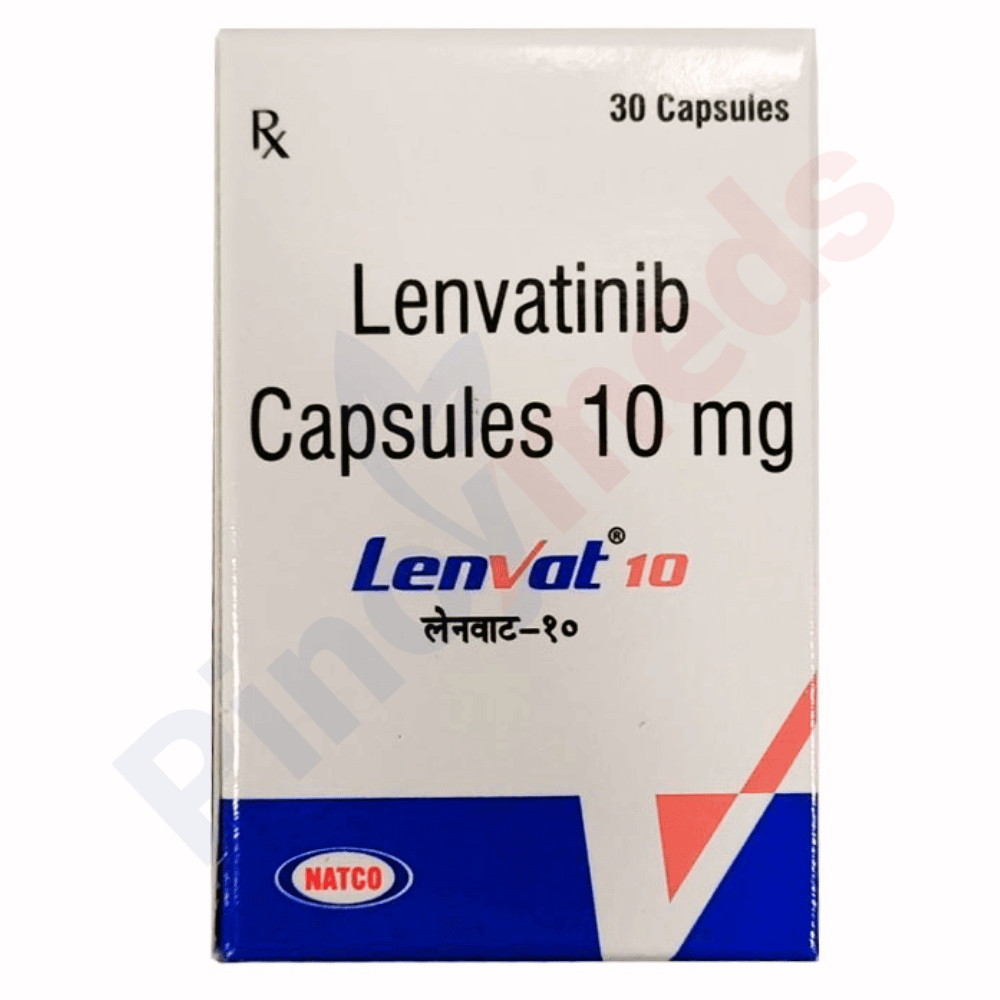
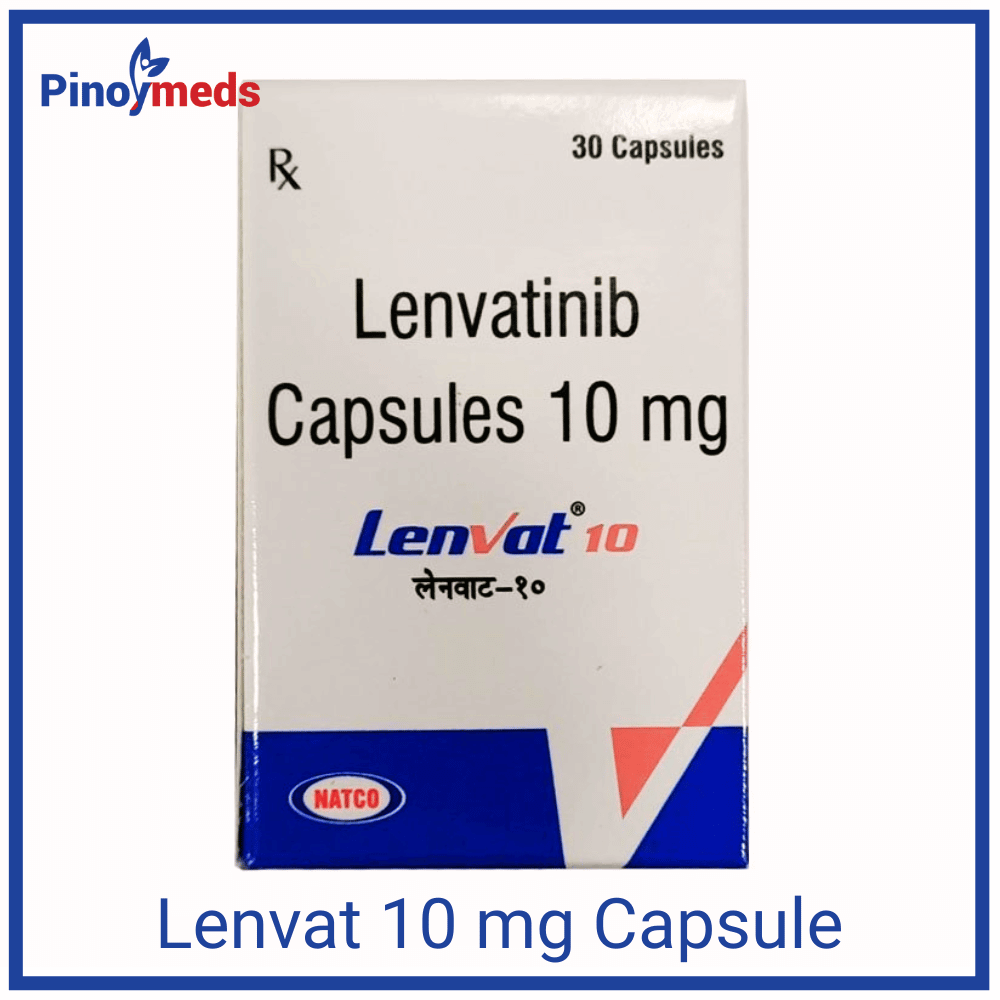
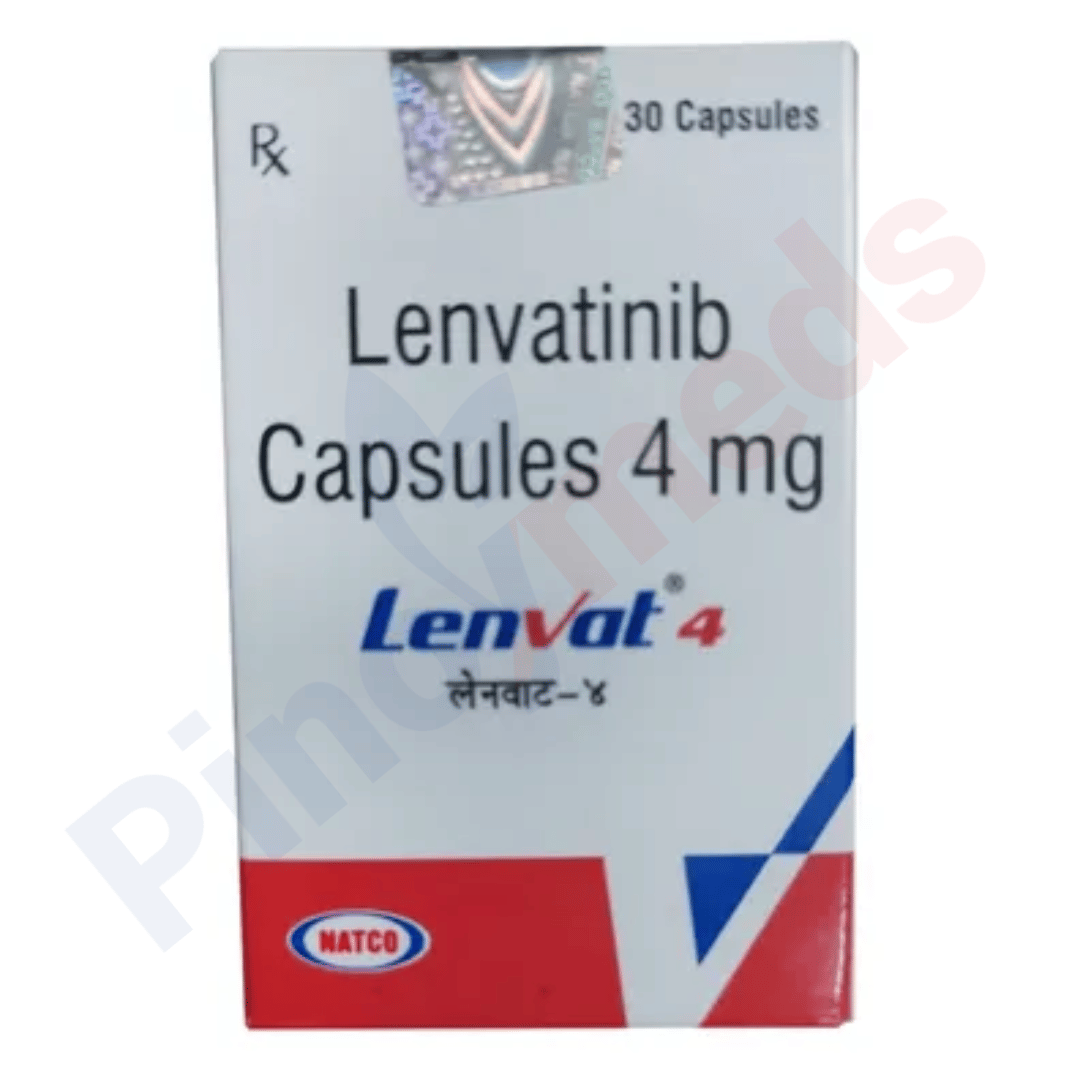
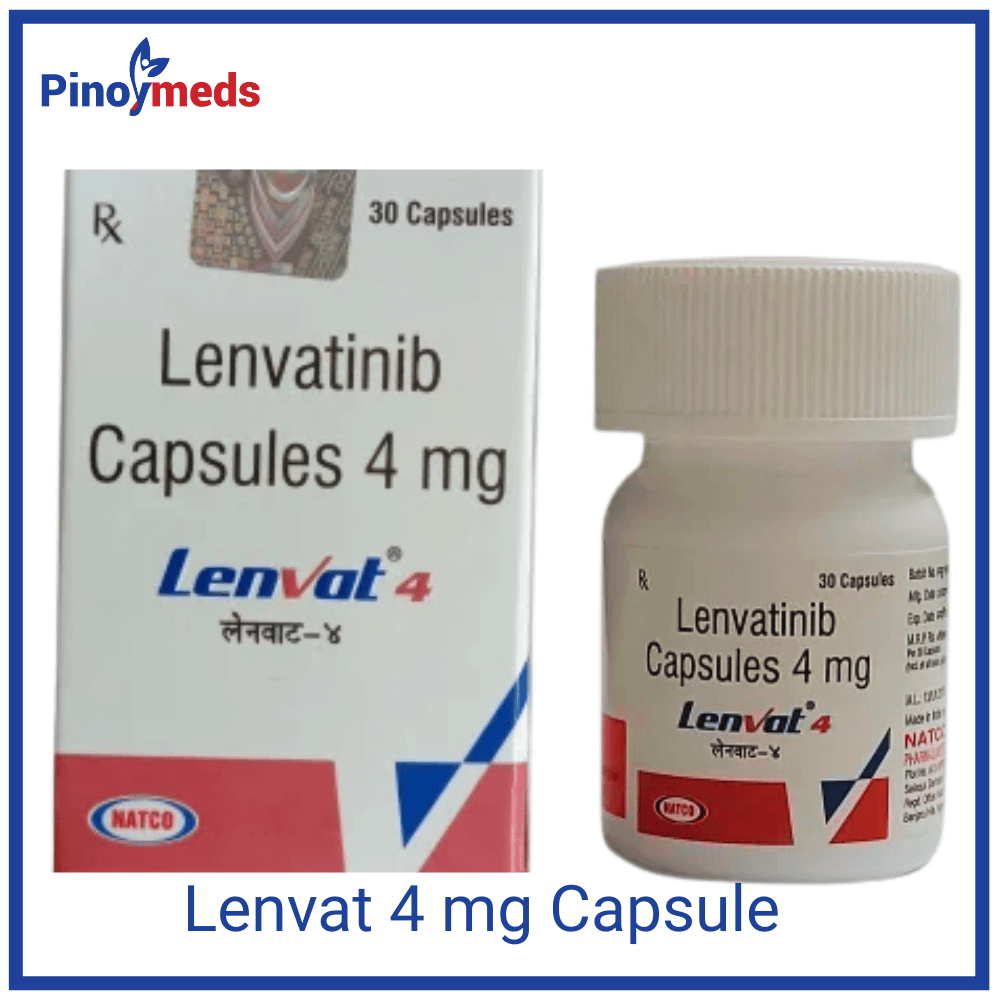
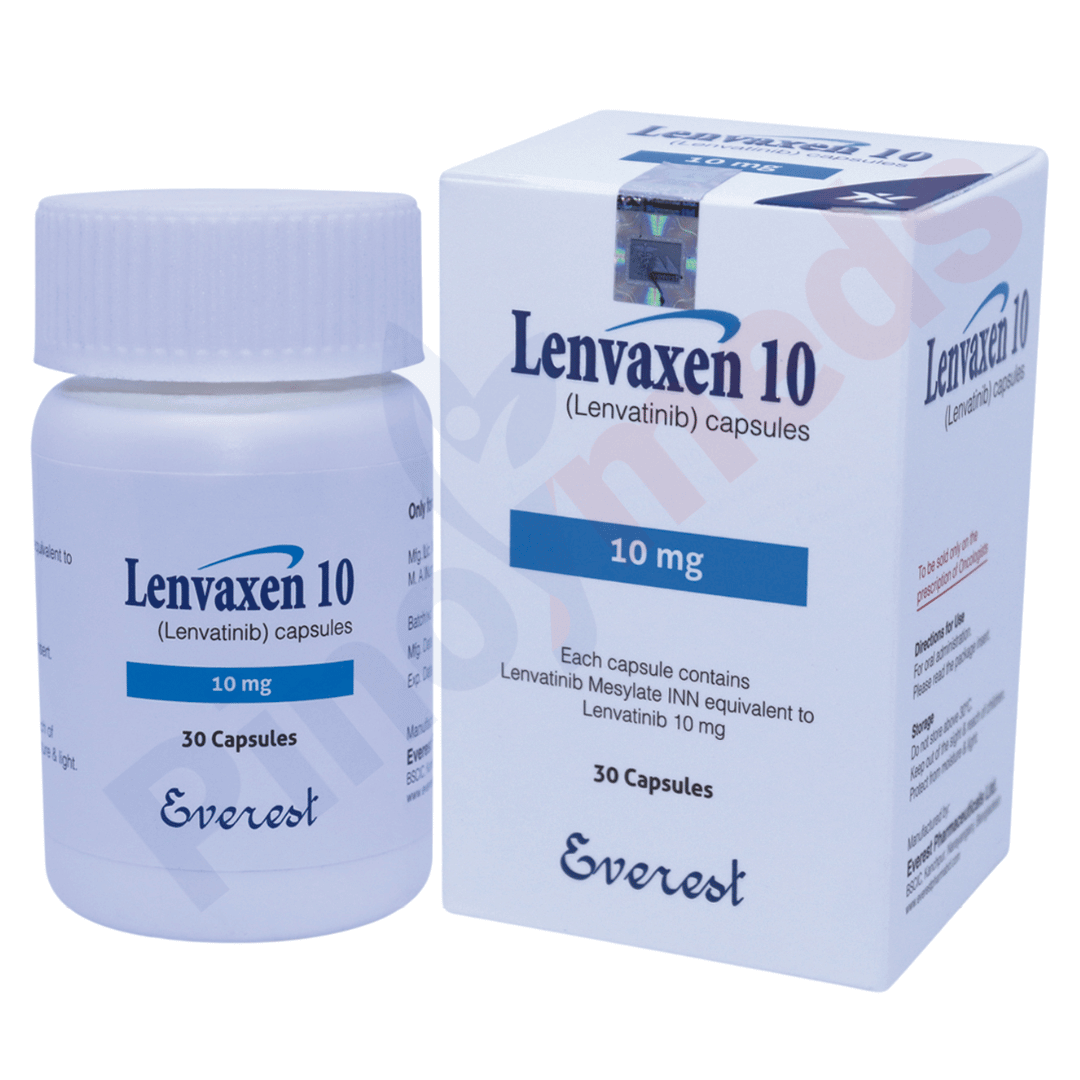
Lenvaxen Lenvatinib 10 mg Capsule
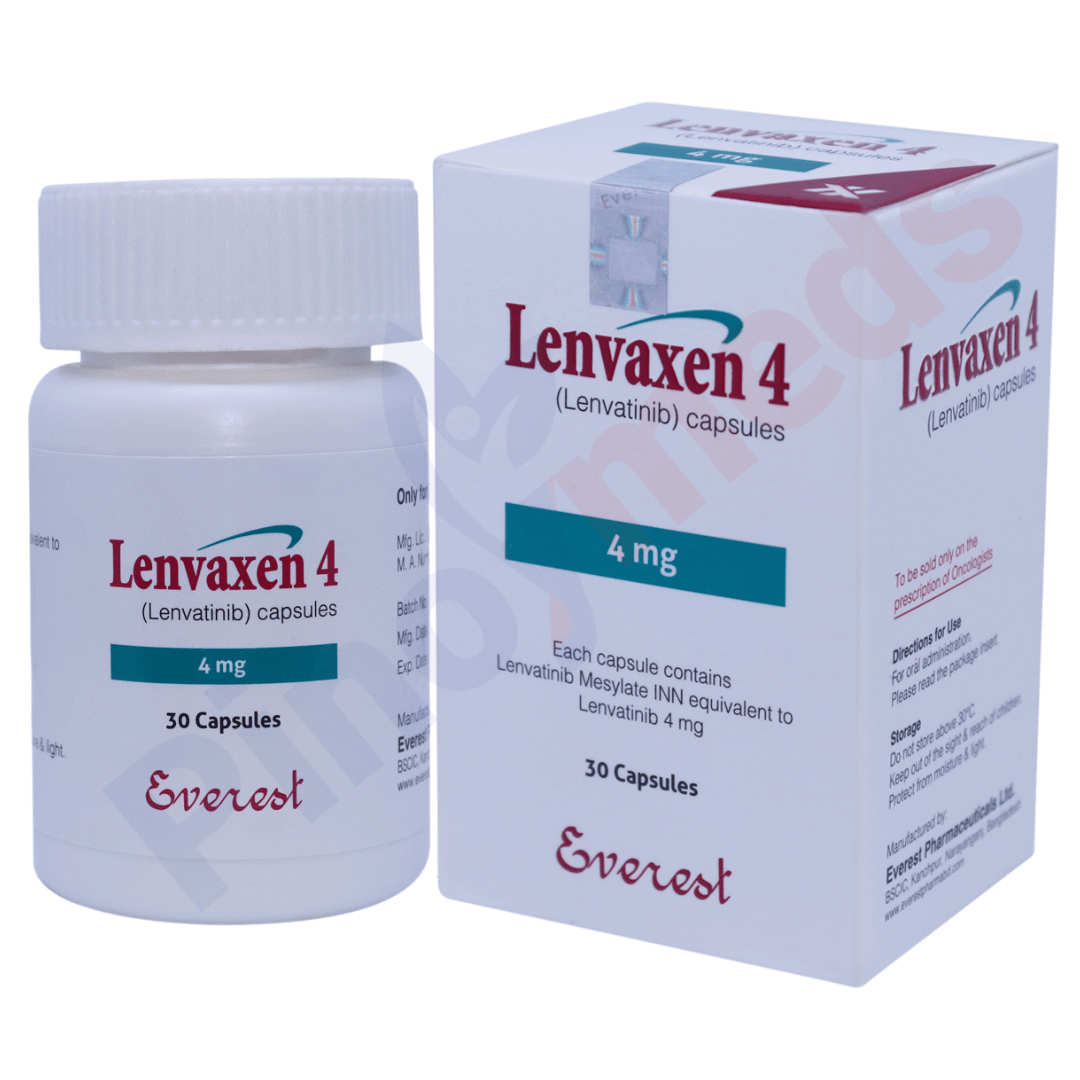
Lenvaxen Lenvatinib 4 mg Capsule
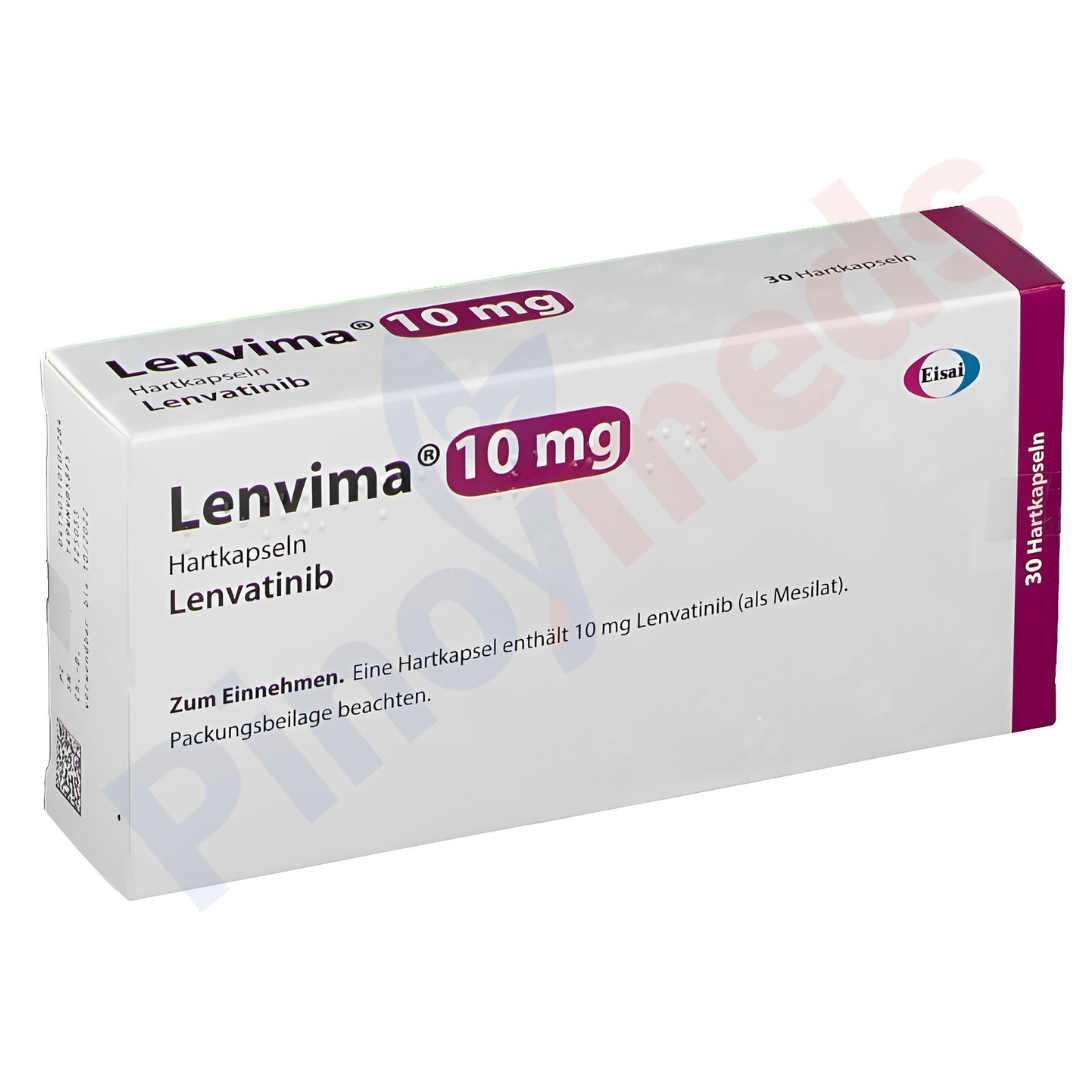
Lenvima Lenvatinib 10 mg Capsule
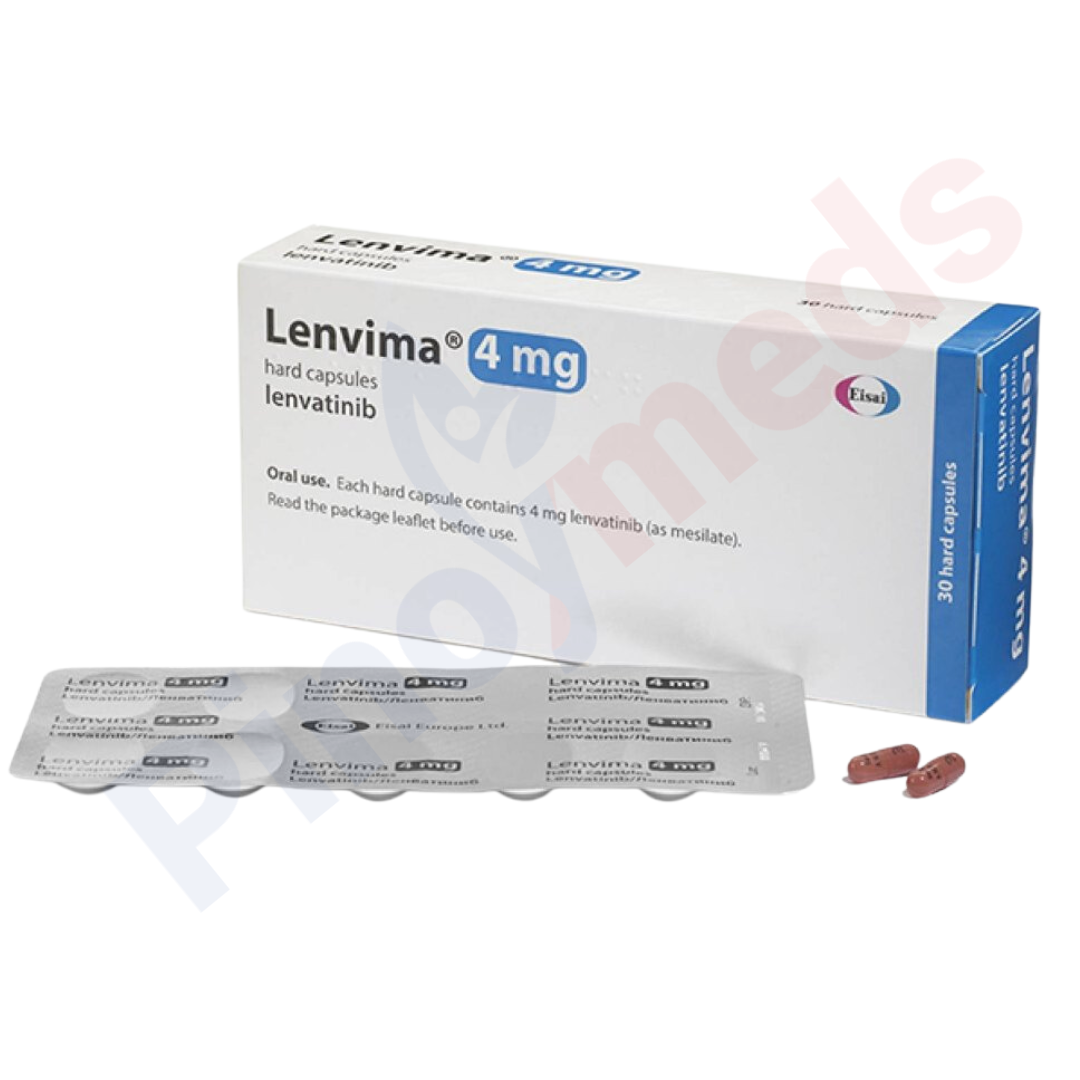
Lenvima Lenvatinib 4 mg Capsule

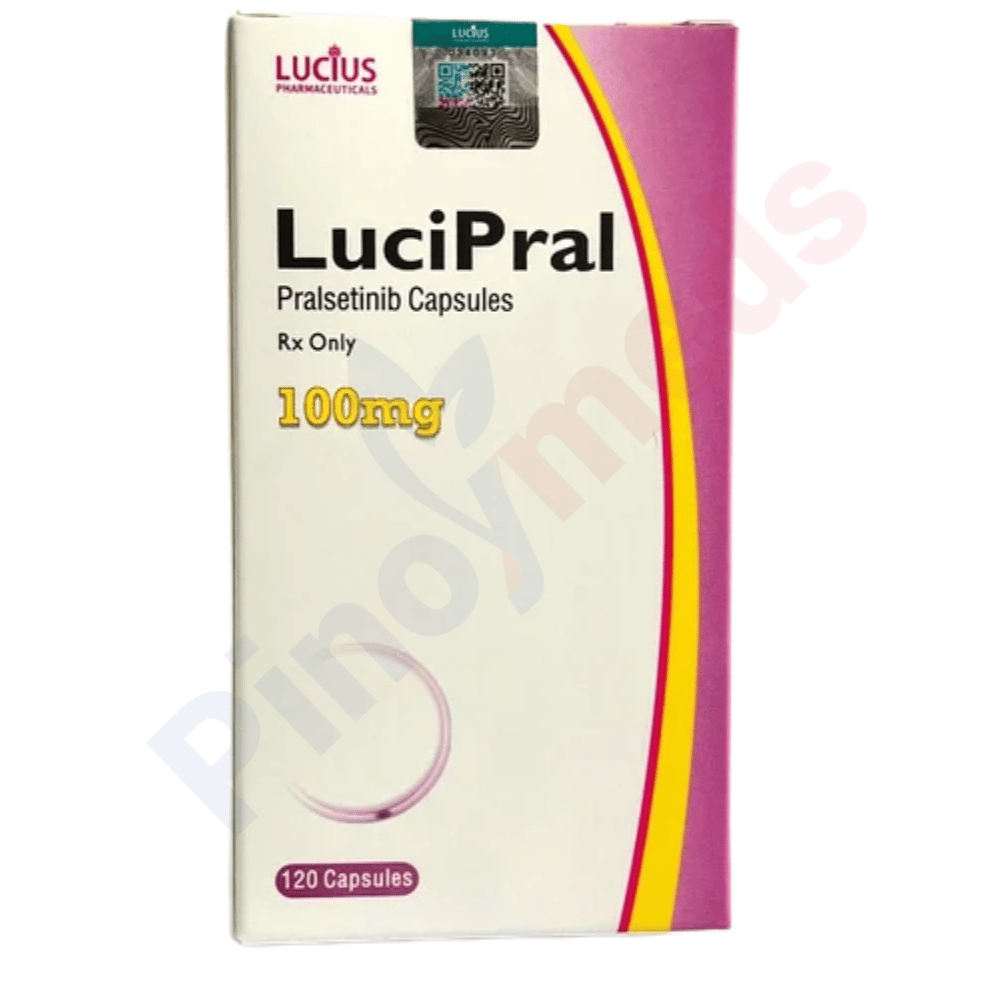


Retevmo Selpercatinib 40 mg Capsule

Selcaxen Selpercatinib 40 mg Capsule

Selpacta Selpercatinib 40 mg Capsule

Soranib Sorafenib 200 mg Tablet
FAQs
It is a type of cancer that forms in the thyroid gland, affecting hormone production and metabolism.
The exact cause is unknown, but risk factors include radiation exposure, iodine deficiency, genetic mutations, and a family history of thyroid cancer.
The survival rate is generally high, with a 5-year survival rate of about 98% for most types. However, aggressive forms like anaplastic thyroid cancer have lower survival rates.
Most thyroid cancers grow slowly and are highly treatable, but some rare types, such as anaplastic thyroid cancer, can be more severe and aggressive.
Early symptoms may include a lump in the neck, hoarseness, difficulty swallowing, swollen lymph nodes, or persistent throat pain.
Stage 1 thyroid cancer is localized within the thyroid gland and has not spread to lymph nodes or distant organs.
Most cases are not life-threatening and are highly treatable, but certain aggressive types require immediate treatment.
There are concerns about a possible link between GLP-1 receptor agonists (like Ozempic) and thyroid cancer, but more research is needed to confirm this risk.
Yes, fatigue can be a symptom, especially if the cancer affects thyroid hormone levels.
Yes, treatments include surgery, radioactive iodine therapy, hormone therapy, and sometimes radiation or chemotherapy for advanced cases.
It is a rare type of thyroid cancer that originates in the C cells of the thyroid and can be associated with genetic conditions.
Some thyroid cancers grow very slowly and may go unnoticed for years without symptoms.
Certain types, like medullary thyroid cancer, can be hereditary, especially in families with multiple endocrine neoplasia (MEN) syndromes.
Endocrinologists, oncologists, and surgeons specializing in thyroid disorders typically manage thyroid cancer treatment.
Yes, thyroid cancer can spread to lymph nodes, lungs, bones, and other organs if not treated.
It may appear as a solid or irregular mass in the thyroid gland on imaging tests.
A thyroid ultrasound is done when there is a suspicious lump in the neck or abnormal thyroid function test results.
Similar to Ozempic, Mounjaro (a GLP-1 receptor agonist) has raised concerns about thyroid cancer risk, but more research is needed.