



Skin Cancer








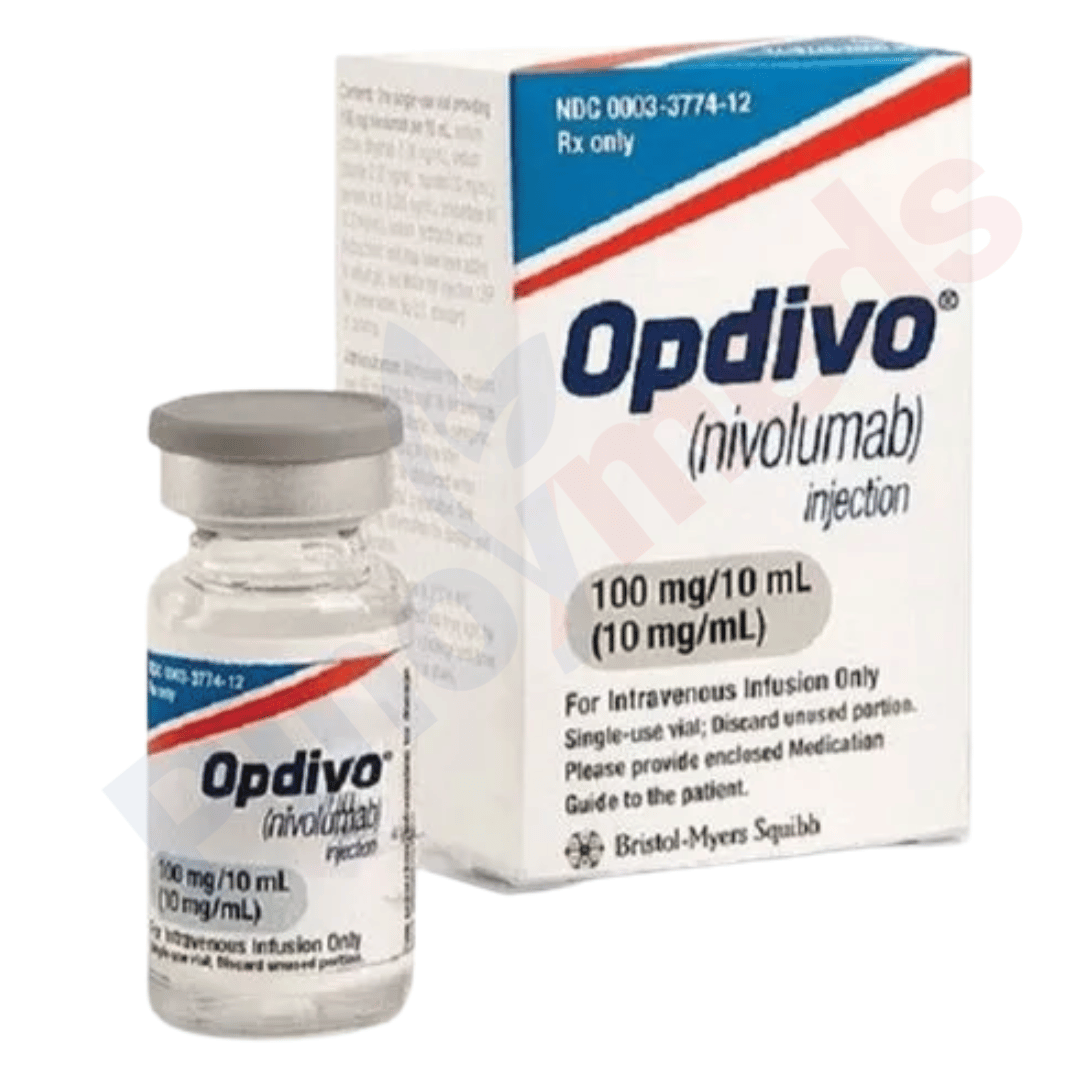



Rafinlar Dabrafenib 50 mg Capsule

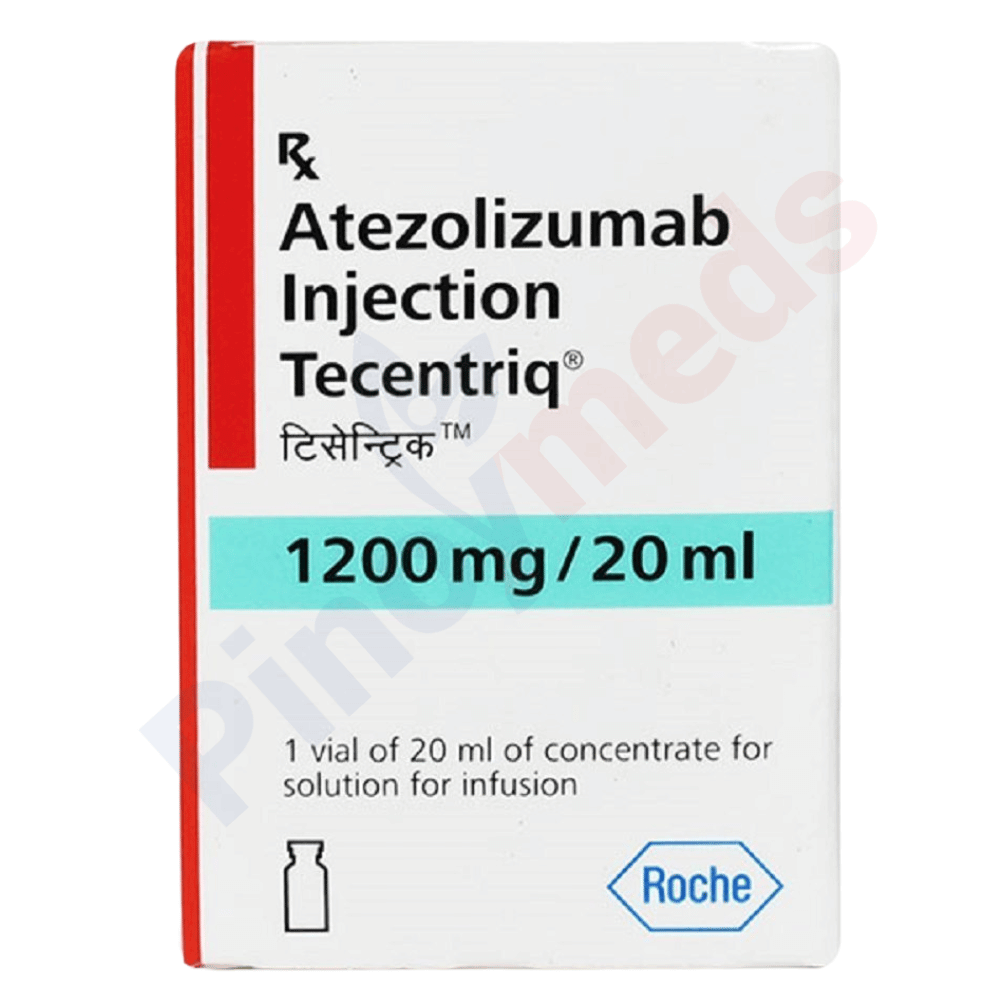

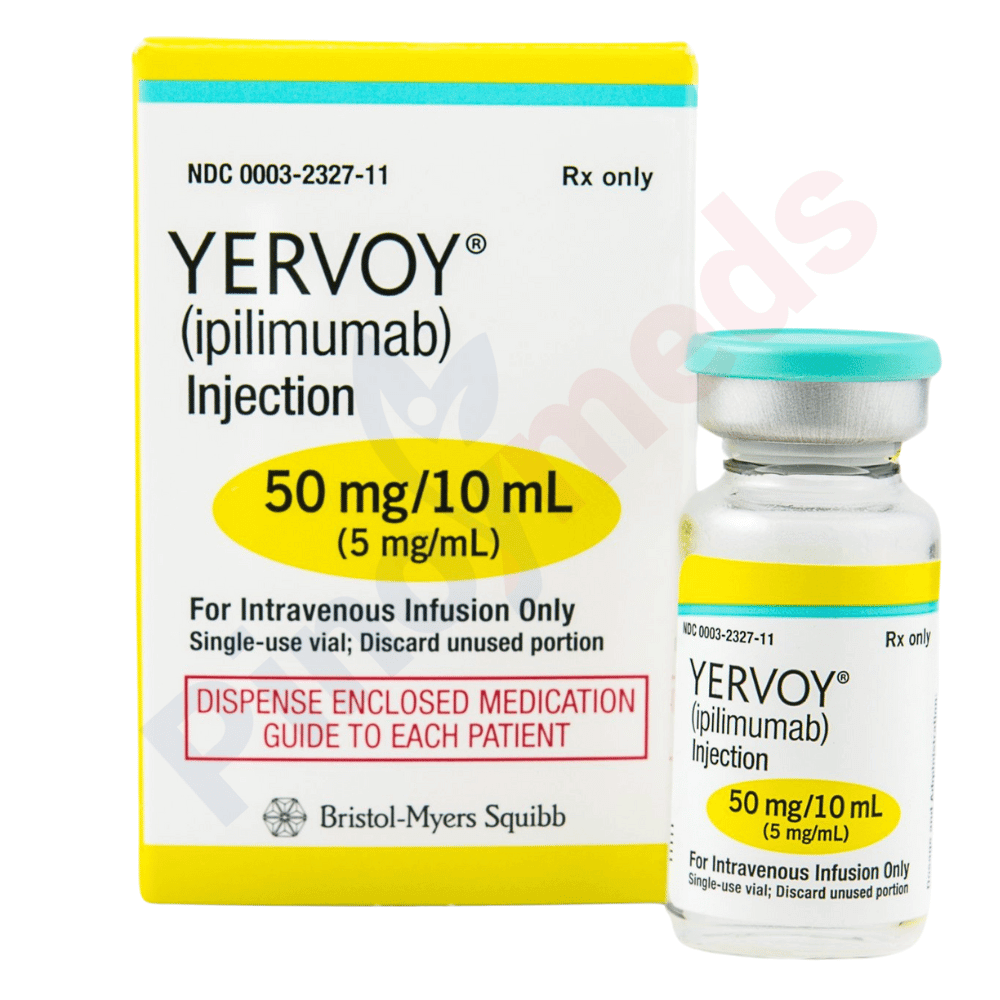

Zelboraf Vemurafenib 240 mg Tablet
FAQs
Skin cancer is the abnormal growth of skin cells, usually caused by excessive sun exposure.
The main cause is ultraviolet (UV) radiation from the sun or tanning beds. Other risk factors include genetics and exposure to harmful chemicals.
Skin cancer can be deadly, especially melanoma, if not detected and treated early.
Skin cancer may appear as a new or changing mole, a scaly patch, a sore that doesn’t heal, or a raised bump with irregular edges.
Look for unusual moles, spots, or sores that do not heal. A dermatologist can confirm it through a skin biopsy.
Some types of skin cancer, like squamous cell carcinoma, may cause itching, but not all skin cancers itch.
Yes, advanced skin cancer, particularly melanoma, can be life-threatening if it spreads to other organs.
Skin cancer can spread to the lymph nodes, lungs, liver, bones, and brain.
Greenhouse gases do not directly cause skin cancer, but they contribute to ozone depletion, increasing UV radiation exposure.
Yes, UVB rays are a major cause of skin cancer, as they damage skin cell DNA.
Melanoma can spread quickly, sometimes within weeks or months, if not treated early.
Some melanomas grow slowly over years, while others spread rapidly. Regular skin checks help with early detection.
Skin cancer is usually painless at first, but advanced stages may cause pain, itching, or bleeding.
It can be genetic, as some people inherit a higher risk of developing melanoma.
Yes, people with a family history of melanoma are at a higher risk.
It is mainly caused by excessive sun exposure, tanning beds, genetics, and exposure to harmful chemicals.
Yes, most skin cancers are treatable if caught early. Advanced cases may require aggressive treatment.
Symptoms include new or changing moles, sores that don’t heal, rough patches, or unusual lumps on the skin.
It is a common type of skin cancer that develops in the squamous cells of the skin and can spread if untreated.
Yes, dogs can develop skin cancer, often due to sun exposure or genetic factors.
They may look like dark moles, red patches, shiny bumps, or open sores.
Melanoma is the most serious type of skin cancer that starts in pigment-producing cells (melanocytes).
Melanoma damages skin layers and can invade deeper tissues, spreading to other parts of the body.
The main cause is UV radiation from the sun or tanning beds, but genetics can also play a role.
Malignant melanoma is an advanced and dangerous form of melanoma that spreads to other organs if not treated early.
Yes, melanoma can be very serious if not detected early. It can spread to other organs quickly if left untreated.
Your doctor may recommend further tests, such as a biopsy or imaging scans, to determine the stage and the best treatment plan.
Yes, melanoma can spread quickly to lymph nodes and other organs if not treated early.
It often appears as a new or changing mole, with irregular edges, uneven color, or an unusual shape.
Skin cancer is usually removed through surgery. Other treatments include radiation therapy, immunotherapy, and targeted therapy.
Regular self-examinations and dermatologist check-ups help detect skin cancer early. Look for changes in moles, spots, or unusual skin growths.
Early-stage skin cancer is highly treatable and usually does not spread if detected and removed early.
No, melanoma is not always fatal, especially if caught early. However, advanced melanoma can be life-threatening.
Yes, some melanomas grow slowly and may not show obvious symptoms for years.
Melanoma usually spreads first to the lymph nodes before reaching other organs like the lungs, liver, or brain.
The survival rate for stage IV melanoma is lower, but treatment advancements like immunotherapy and targeted therapy have improved outcomes.