



Prostate Cancer
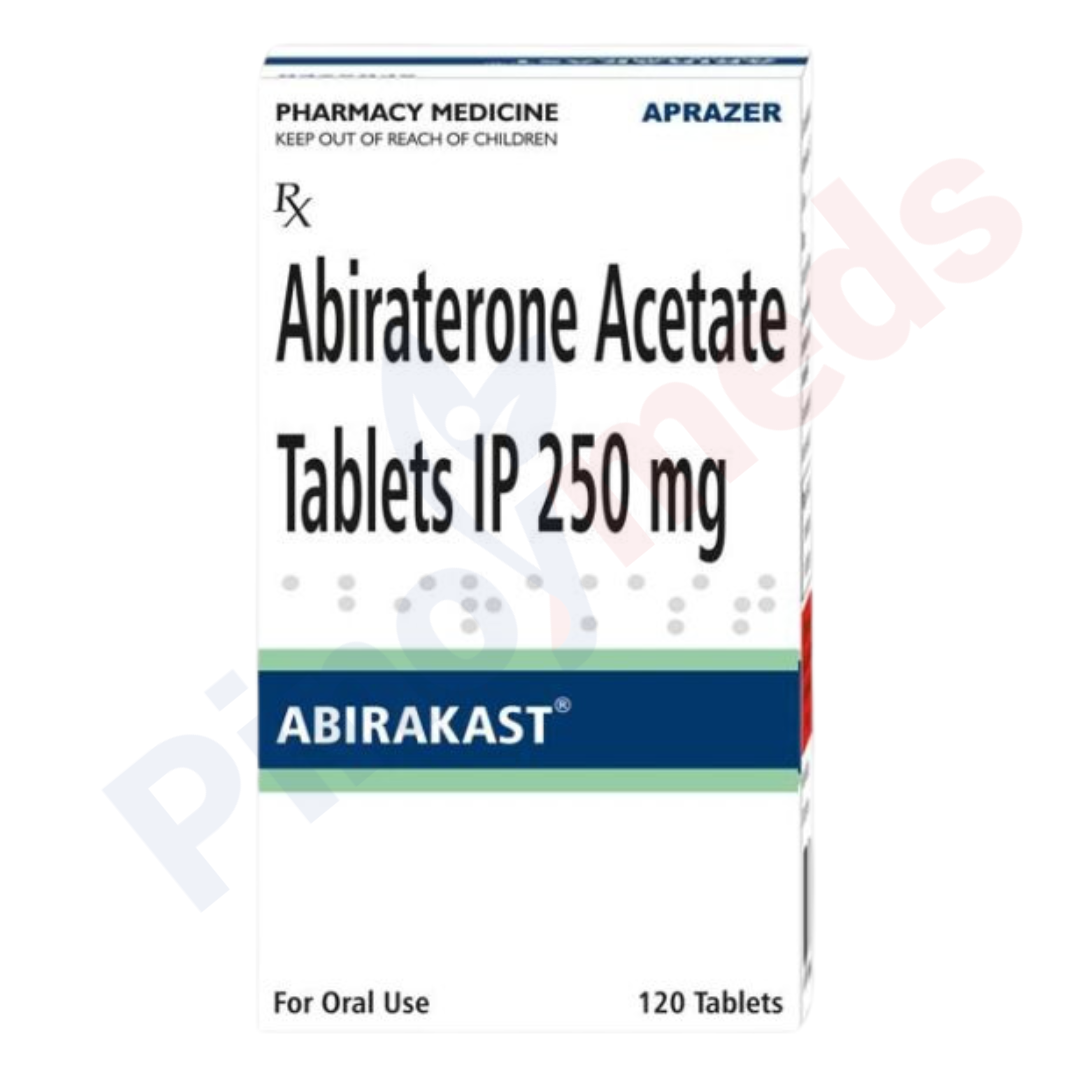
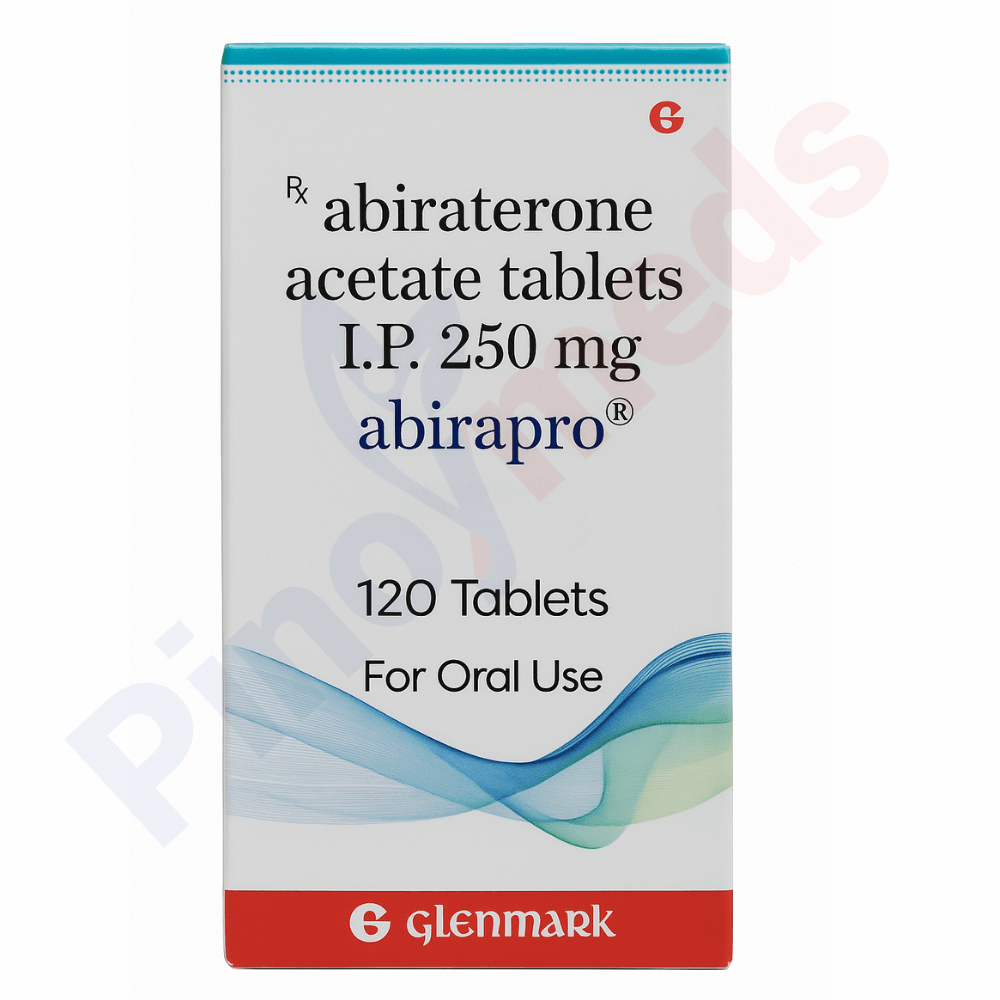

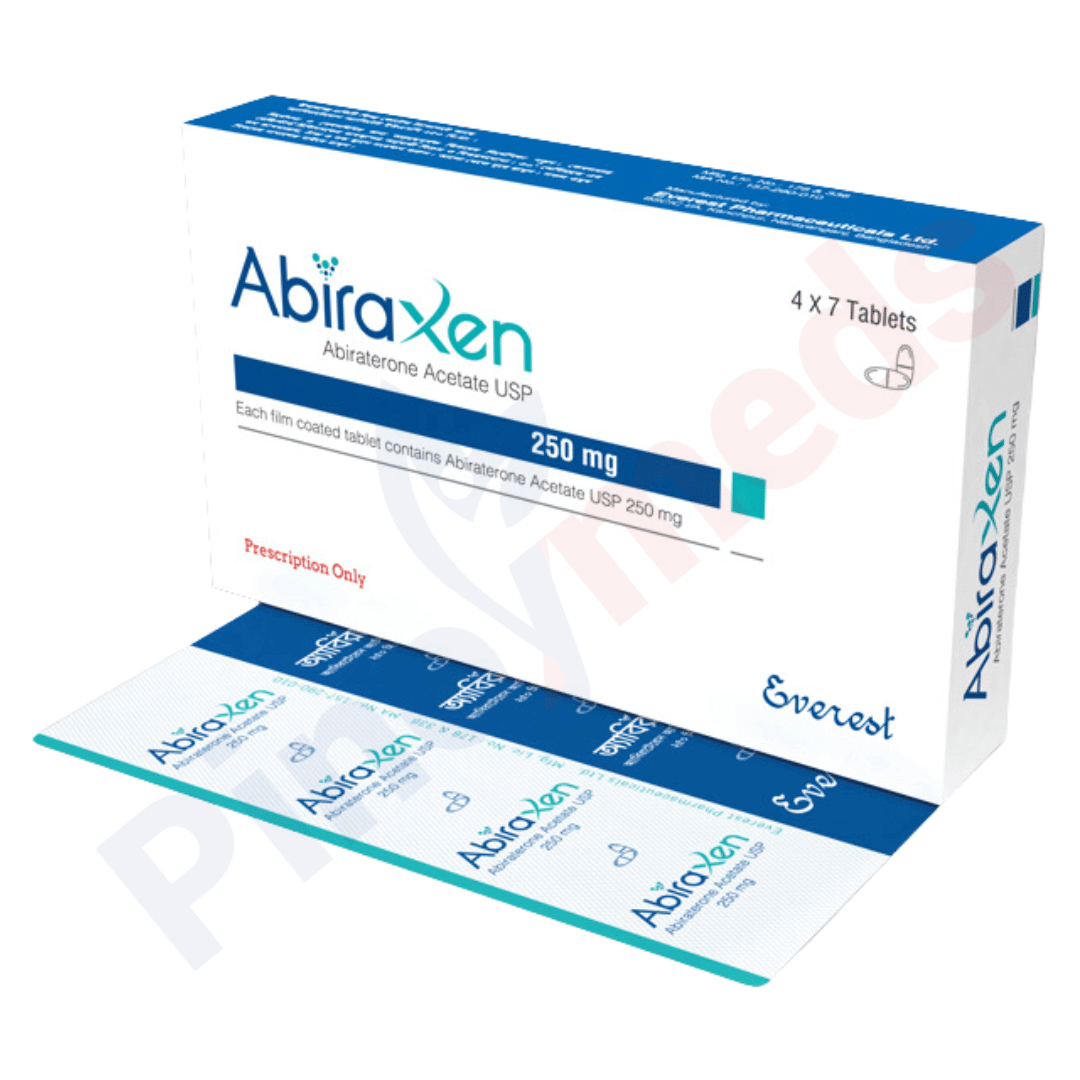
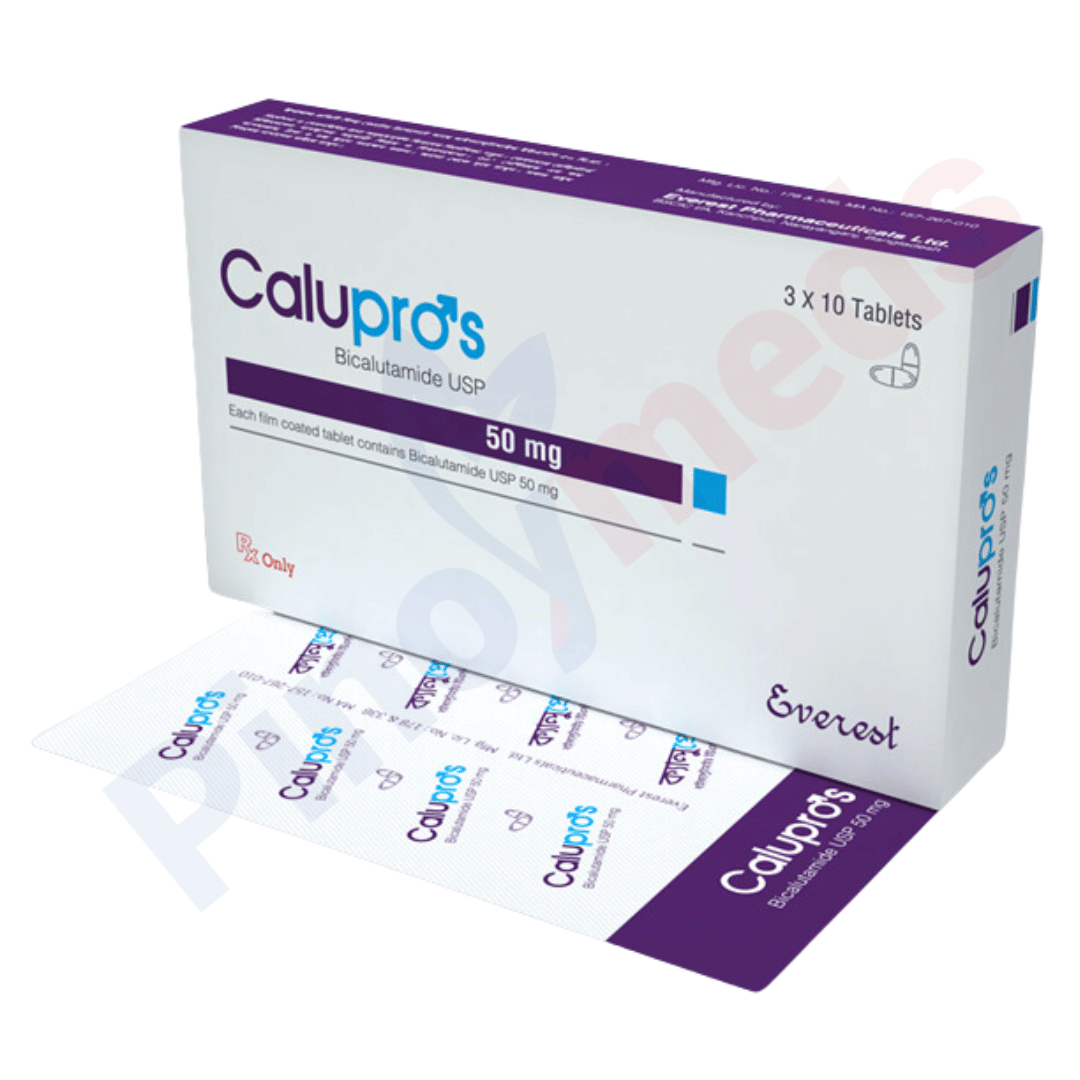
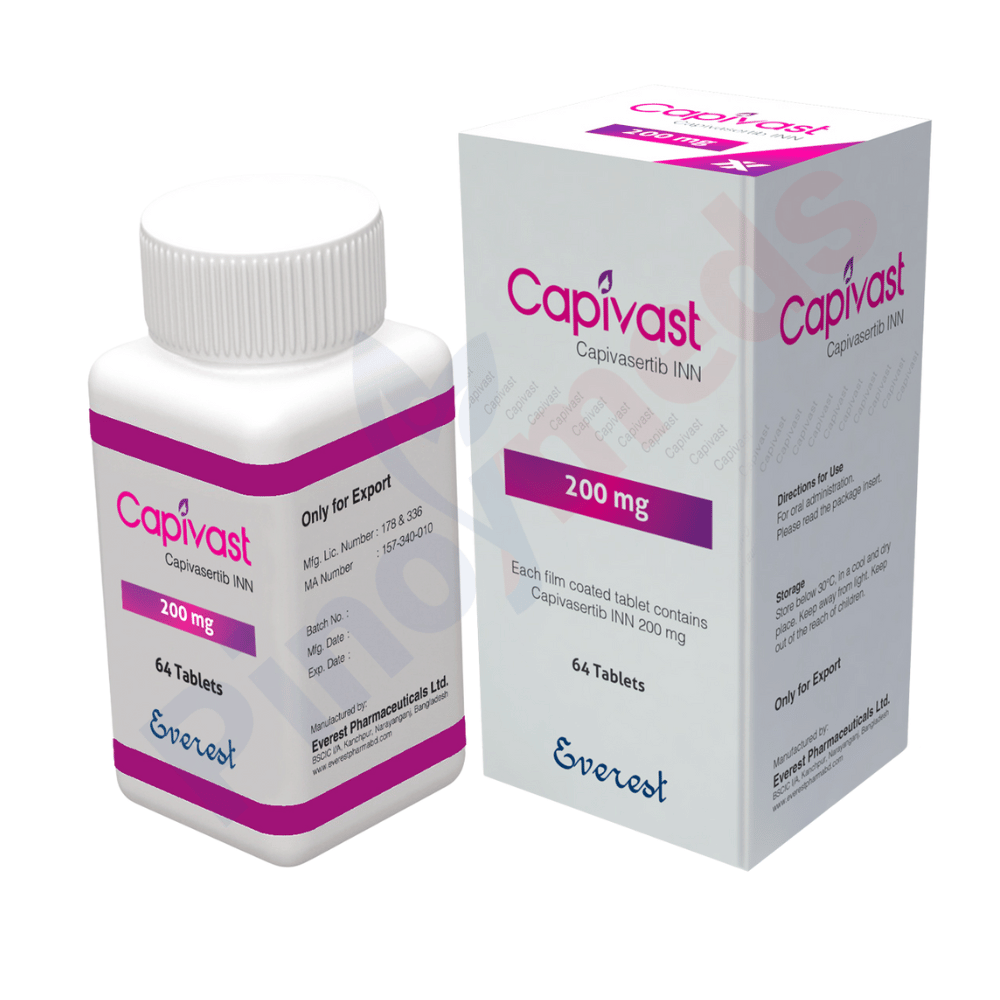

Erleada Apalutamide 240 mg Tablet

Erleada Apalutamide 60 mg Tablet
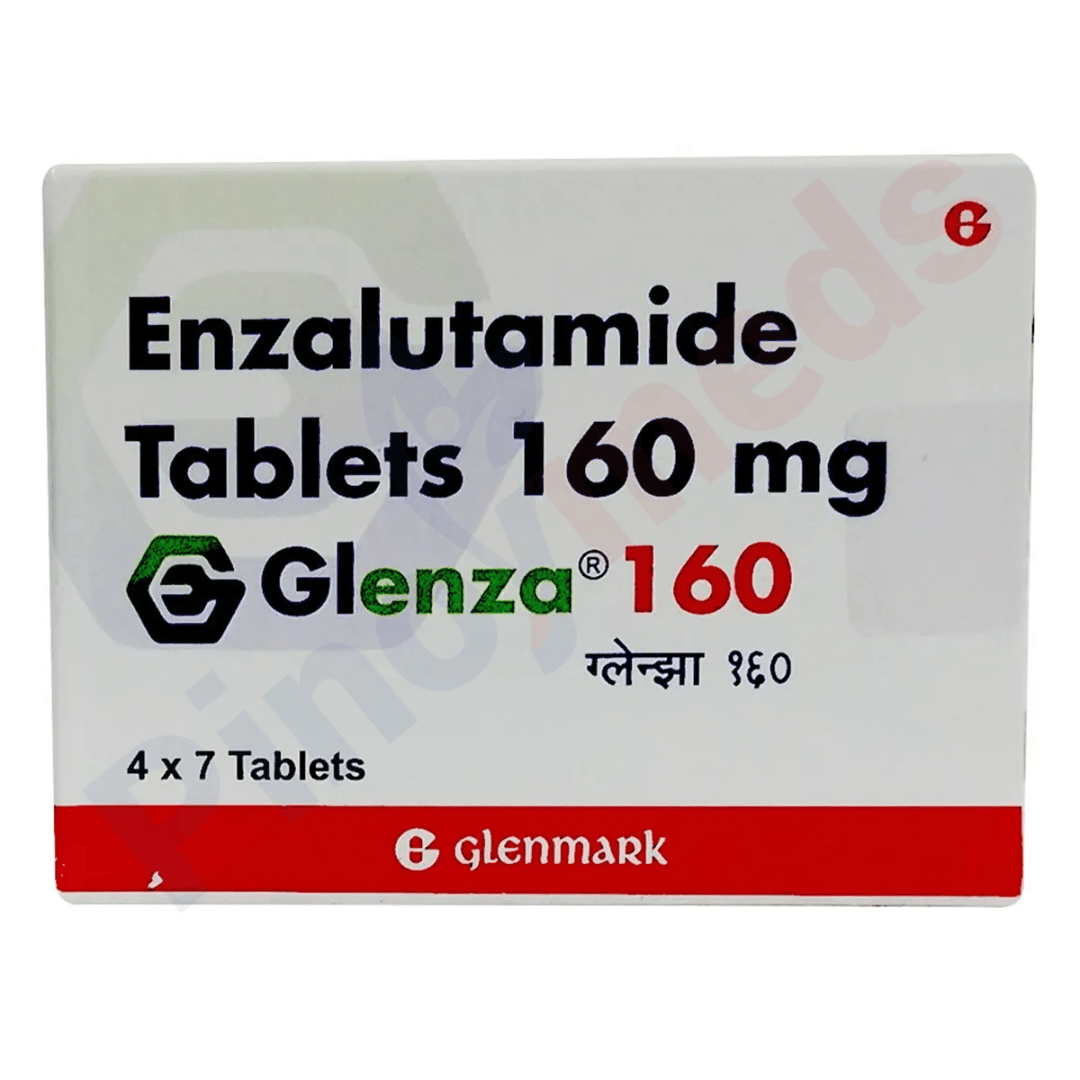


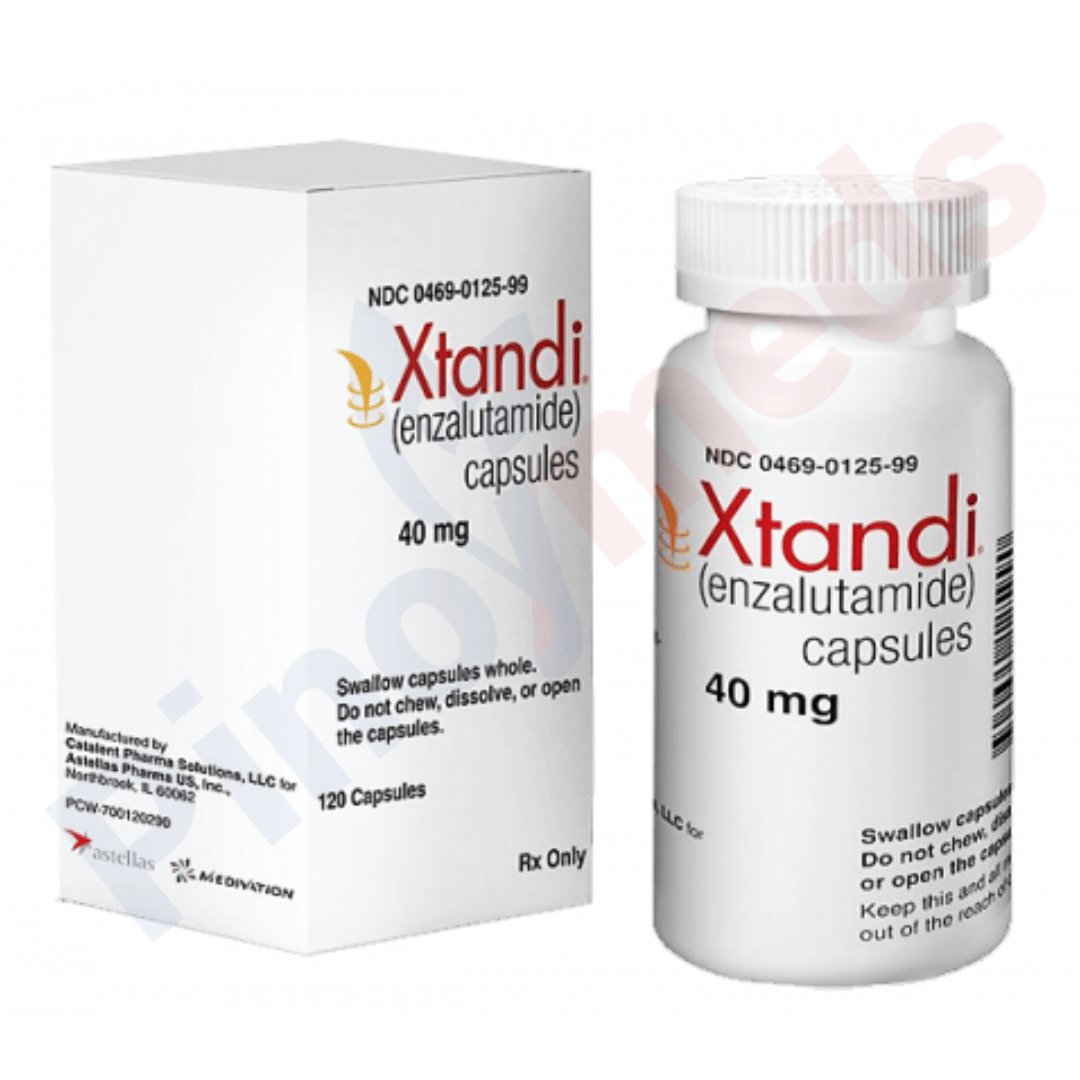
Glenza Enzalutamide 40 mg Capsule

Liqenza Enzalutamide 32 mg Oral Solution

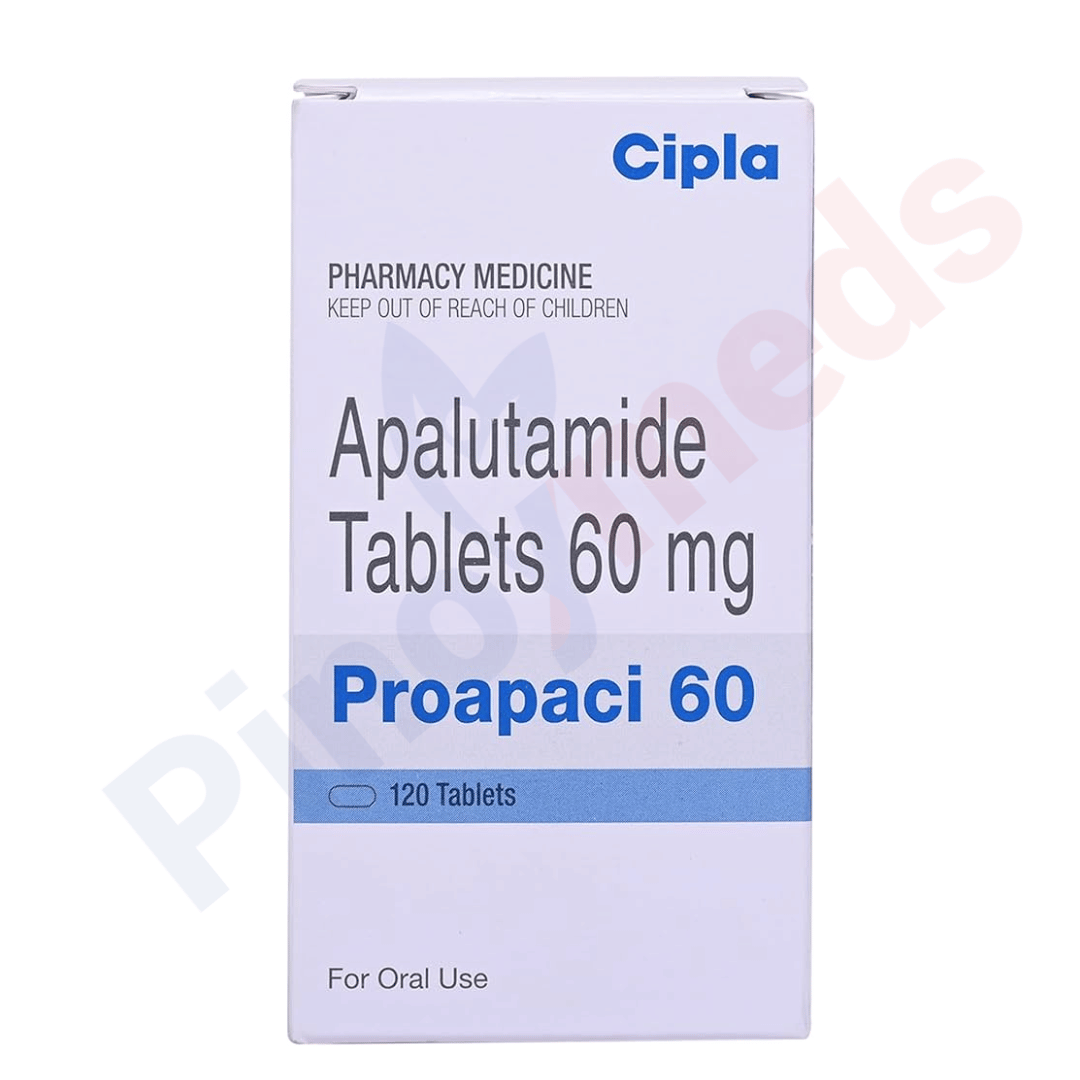
Proapaci Apalutamide 60 mg Tablet
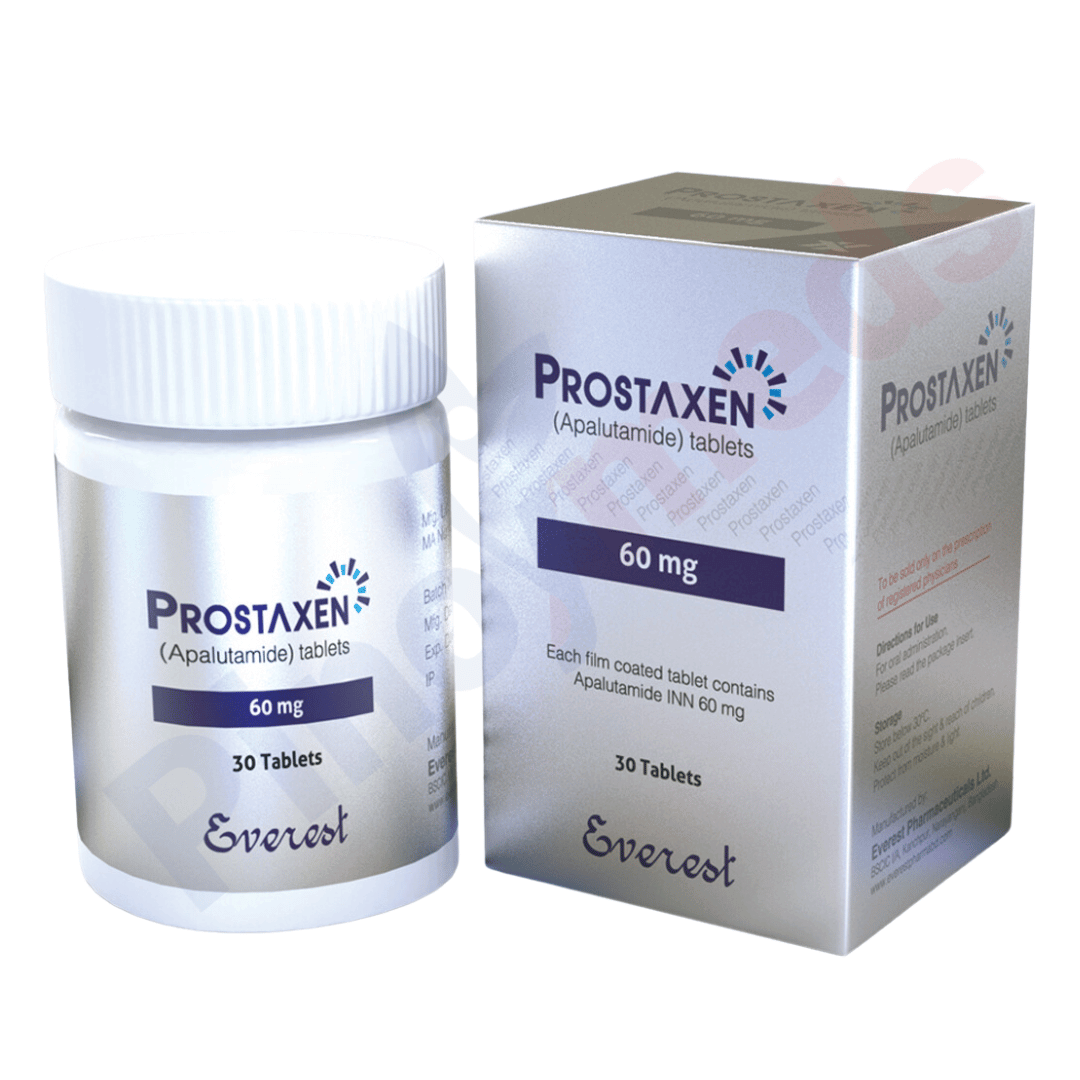
Prostaxen Apalutamide 60 mg Tablet
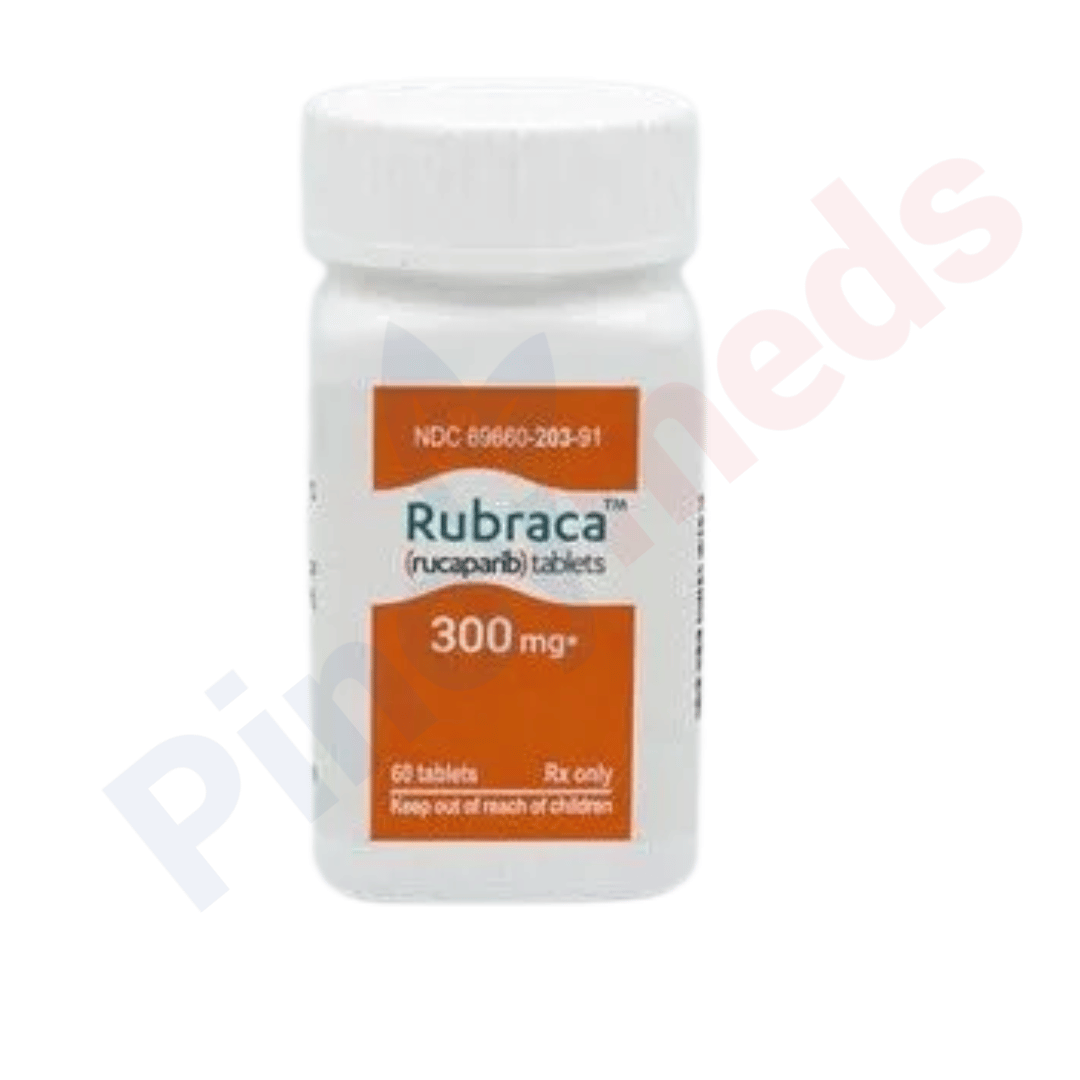
Rubraca Rucaparib 300 mg Tablet
FAQs
Prostate cancer is a type of cancer that develops in the prostate gland, a small gland in men that produces seminal fluid. It is one of the most common cancers in men.
The exact cause is unknown, but risk factors include age, family history, genetic mutations, hormonal changes, and lifestyle factors such as diet and obesity.
While it cannot be entirely prevented, maintaining a healthy diet, staying physically active, avoiding smoking, limiting alcohol, and getting regular screenings can reduce the risk.
No, research suggests that frequent ejaculation may actually lower the risk of prostate cancer.
Yes, when detected early, prostate cancer is highly treatable with surgery, radiation, hormone therapy, or active surveillance.
The number of treatments varies depending on the stage and type of radiation. External beam radiation may require 5-9 weeks of daily sessions, while brachytherapy involves a one-time implant.
Yes, prostate cancer and its treatments (surgery, radiation, hormone therapy) can reduce sperm production and affect fertility.
Surgical castration (removal of testicles) or chemical castration (hormone therapy) can slow prostate cancer growth by reducing testosterone, but it does not remove the cancer itself.
There is no scientific evidence that pegging (prostate stimulation) reduces prostate cancer risk. However, some studies suggest that frequent ejaculation may lower the risk.
Regular physical activity can reduce the risk, improve outcomes after diagnosis, and help manage treatment side effects such as fatigue and weight gain.
Chemotherapy cycles depend on the patient’s response, but it is typically given in 4-6 cycles, with adjustments based on effectiveness and side effects.
Yes, newer treatments include immunotherapy, targeted therapy, precision radiation (such as proton therapy), and advanced hormone therapies like androgen receptor inhibitors.
Aerobic exercises (walking, jogging, cycling) and strength training help improve outcomes, reduce fatigue, and support overall health.
There is no home test for prostate cancer, but men can monitor symptoms such as difficulty urinating, weak urine flow, and pelvic pain. Regular medical checkups and PSA tests are essential.
A combination of PSA blood tests, digital rectal exams (DRE), MRI scans, and prostate biopsies provide the most accurate diagnosis.
Prostate cancer is often slow-growing and highly treatable, but aggressive forms can be fatal if not detected early.
In early stages, it may not cause symptoms. In advanced stages, it can cause difficulty urinating, pelvic pain, and back pain if it spreads.
It commonly spreads to the bones, lymph nodes, liver, and lungs.
Women do not have a prostate gland, but they have Skene’s glands, sometimes called the “female prostate,” which can rarely develop cancer.
Approximately 1 in 8 men will be diagnosed with prostate cancer in their lifetime.
The ribbon color for prostate cancer awareness is light blue.
No, there is no scientific evidence linking edging (delaying ejaculation) to prostate cancer.
Yes, prostate cancer and its treatments (surgery, radiation, hormone therapy) can cause erectile dysfunction by affecting nerves and blood flow to the penis.
No, an enlarged prostate (benign prostatic hyperplasia, BPH) is not cancer. However, BPH and prostate cancer can have similar symptoms, so medical evaluation is necessary.
Screening is generally recommended for men over 50, or earlier (age 40-45) if there is a family history of prostate cancer or other risk factors. A PSA blood test and digital rectal exam (DRE) are commonly used for screening.
Side effects vary by treatment but may include fatigue, erectile dysfunction, urinary incontinence, bowel issues, and hormonal changes.
The progression rate depends on the type and stage of prostate cancer. Some slow-growing cancers may remain harmless for years, while aggressive forms can spread quickly.
Yes, radiation therapy is a common treatment, either as the primary option or in combination with surgery or hormone therapy. It can be external beam radiation or brachytherapy (internal radiation).
Life expectancy varies based on stage and aggressiveness. Many men with early-stage prostate cancer live for decades, while advanced-stage cancer may reduce life expectancy.
Difficulty urinating or weak urine flow, Frequent urination, especially at night, Blood in urine or semen, Erectile dysfunction, Pelvic or lower back pain in advanced stages.
Without treatment, prostate cancer may grow and spread to bones and other organs, potentially leading to pain, complications, and a reduced lifespan.
Stage 1: Cancer is small and confined to the prostate. Stage 2: Cancer is larger but still localized within the prostate. Stage 3: Cancer has spread to nearby tissues or the seminal vesicles. Stage 4: Cancer has spread to lymph nodes, bones, or distant organs.