



Lung Cancer



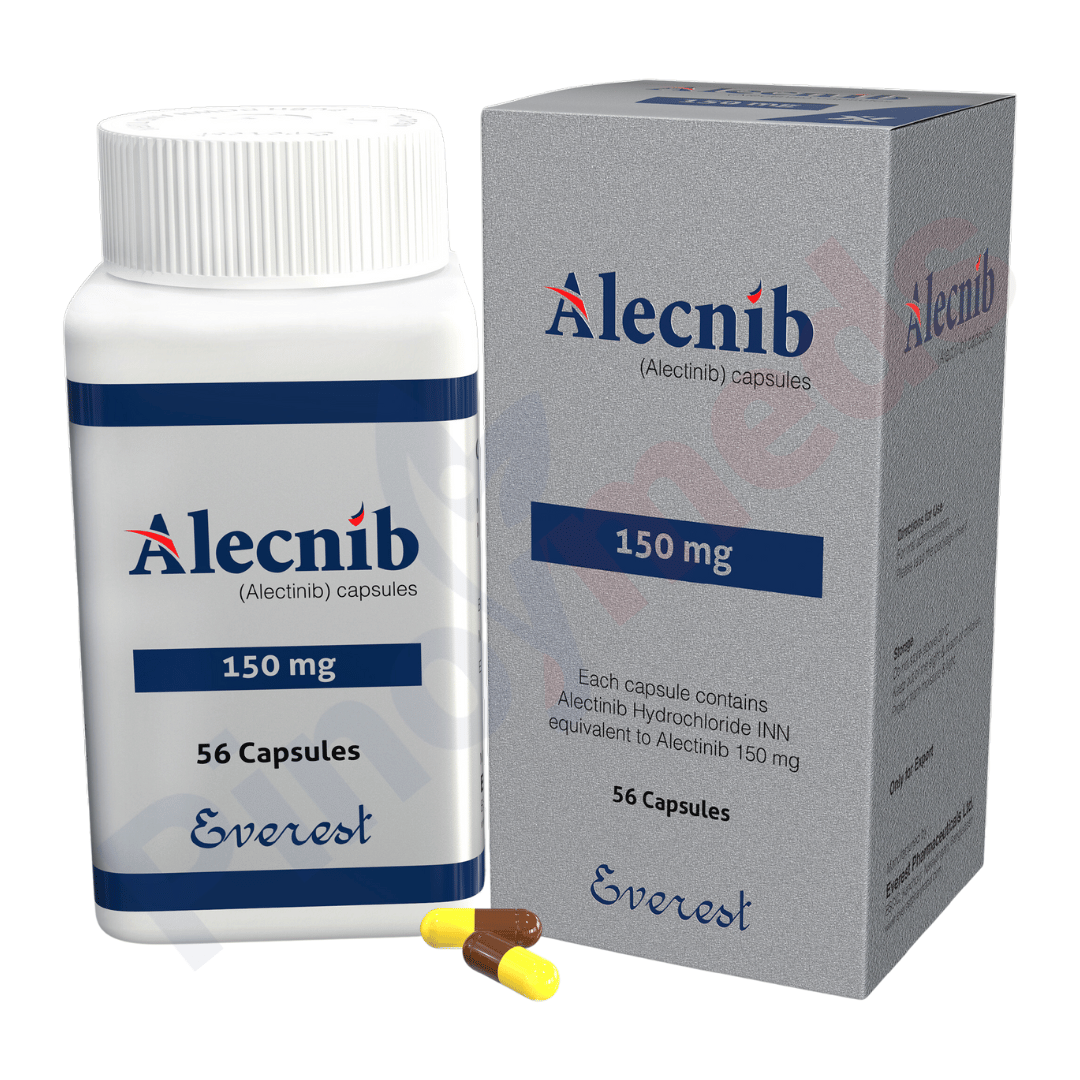
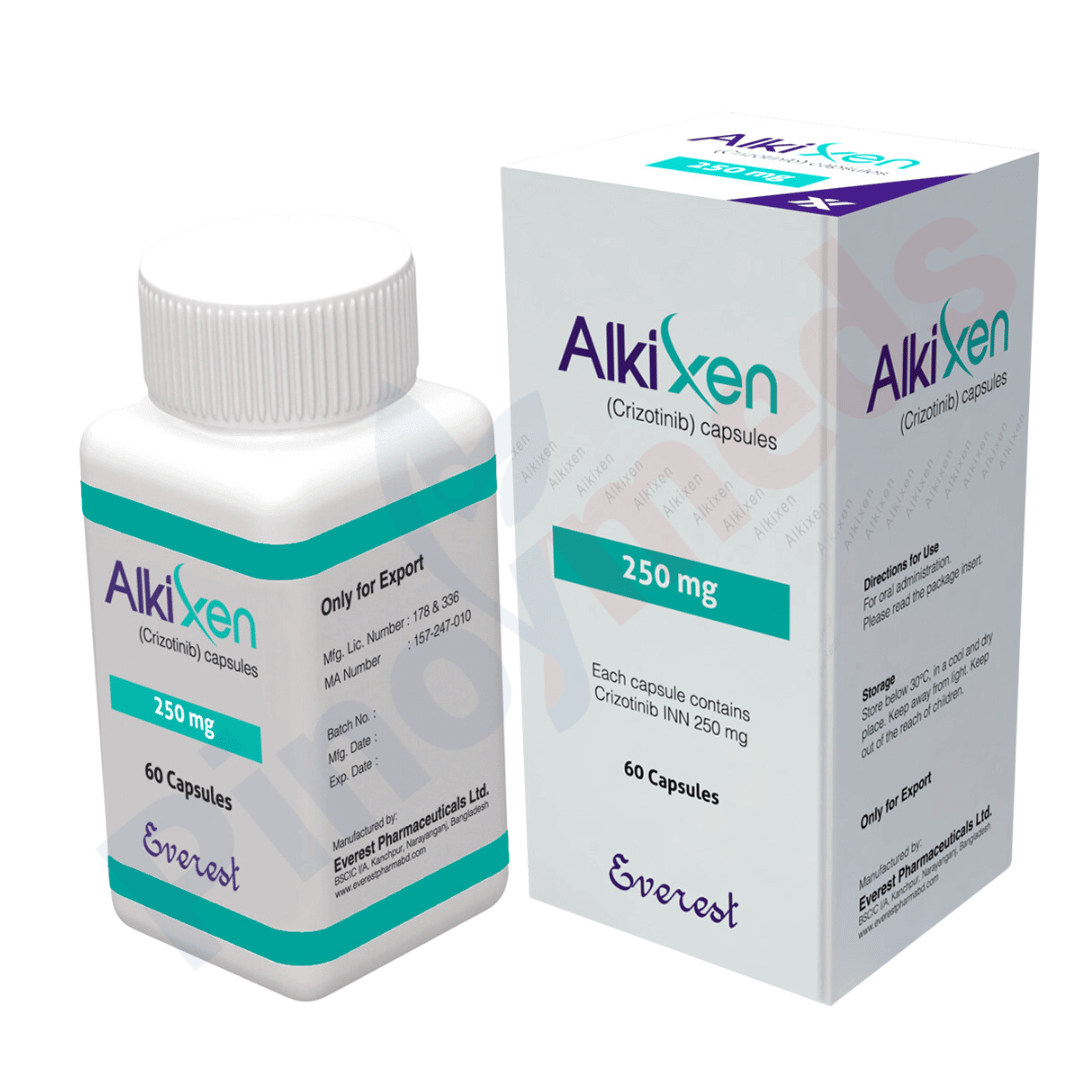




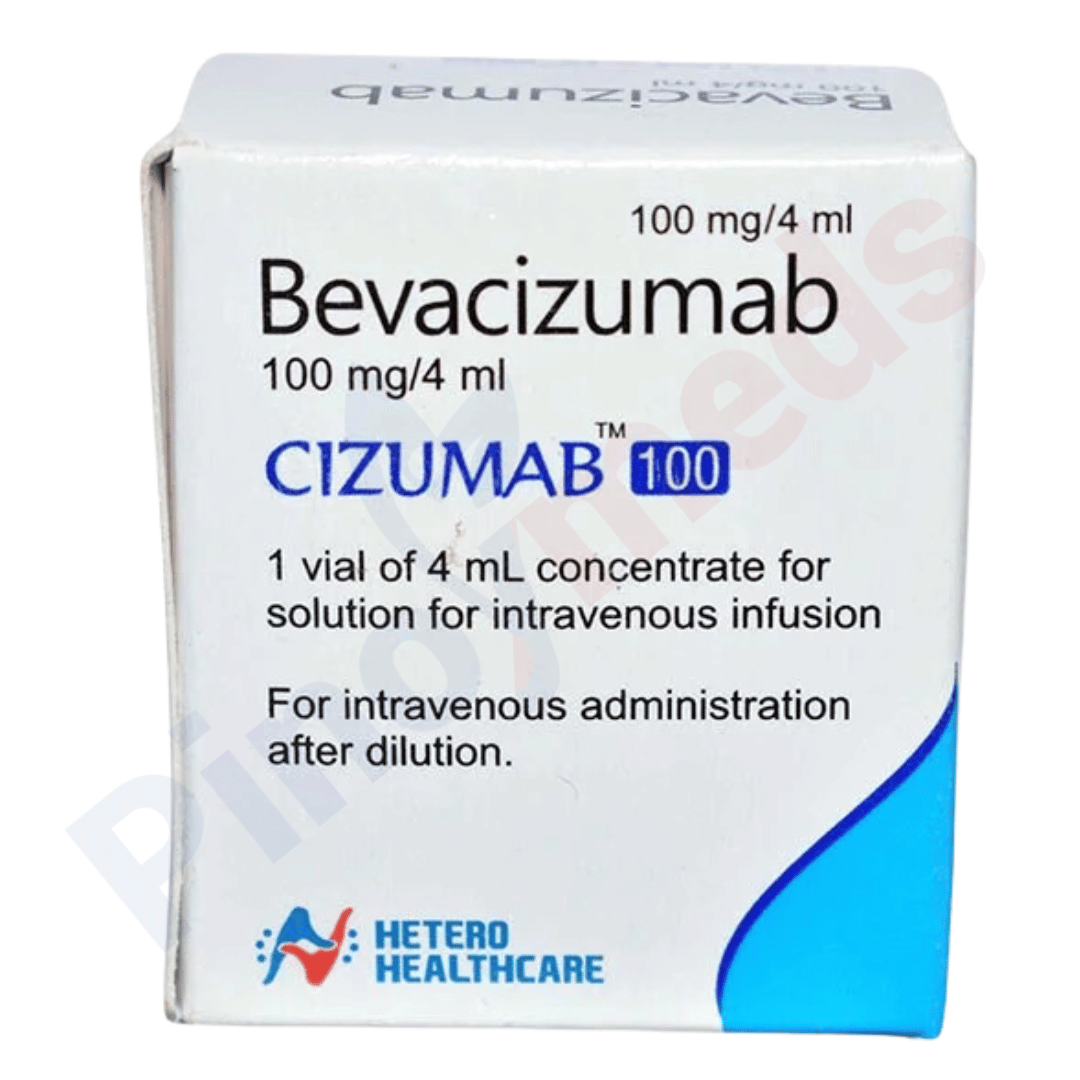
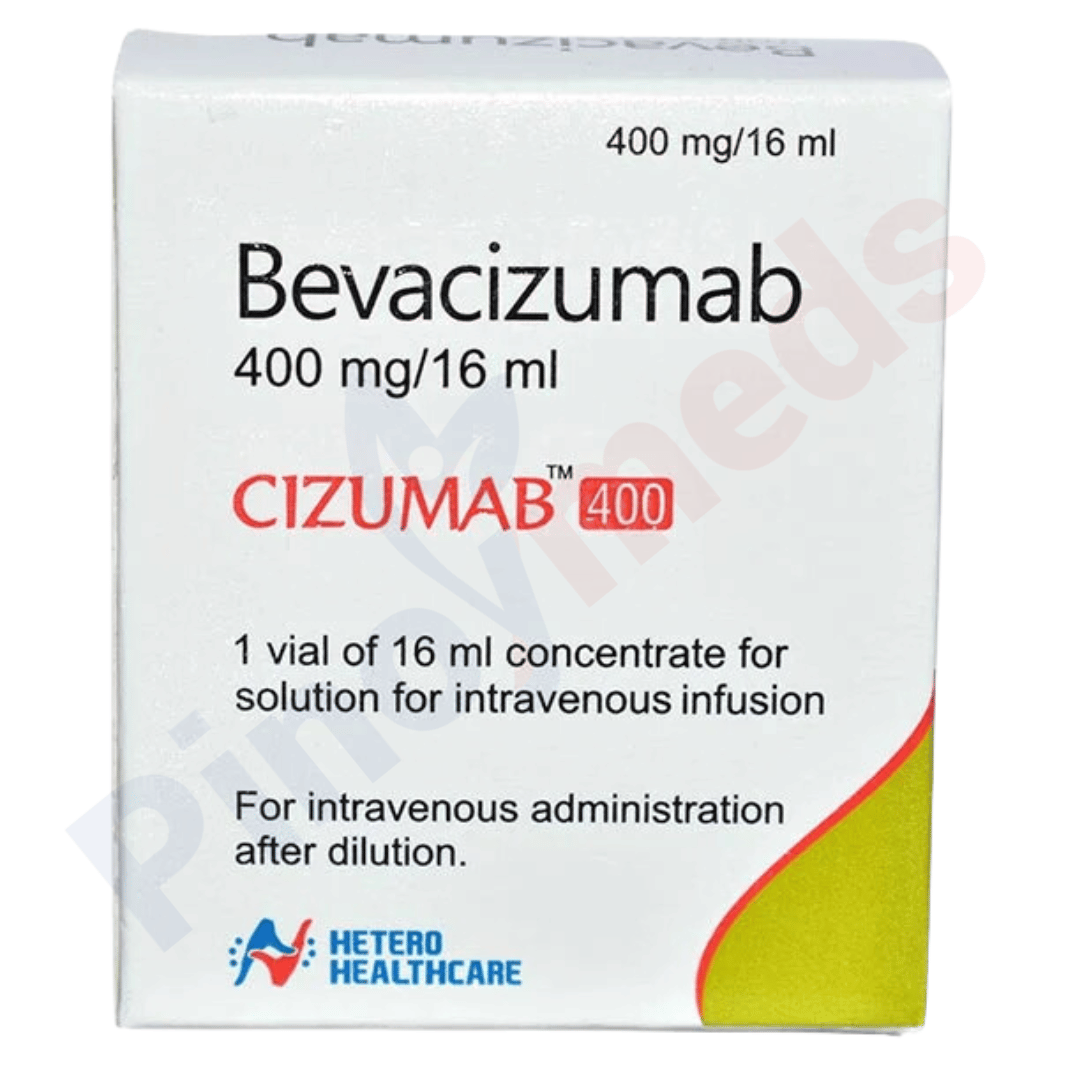

Crizalk Crizotinib 250 mg Capsule

Crizona Crizotinib 250 mg Capsule
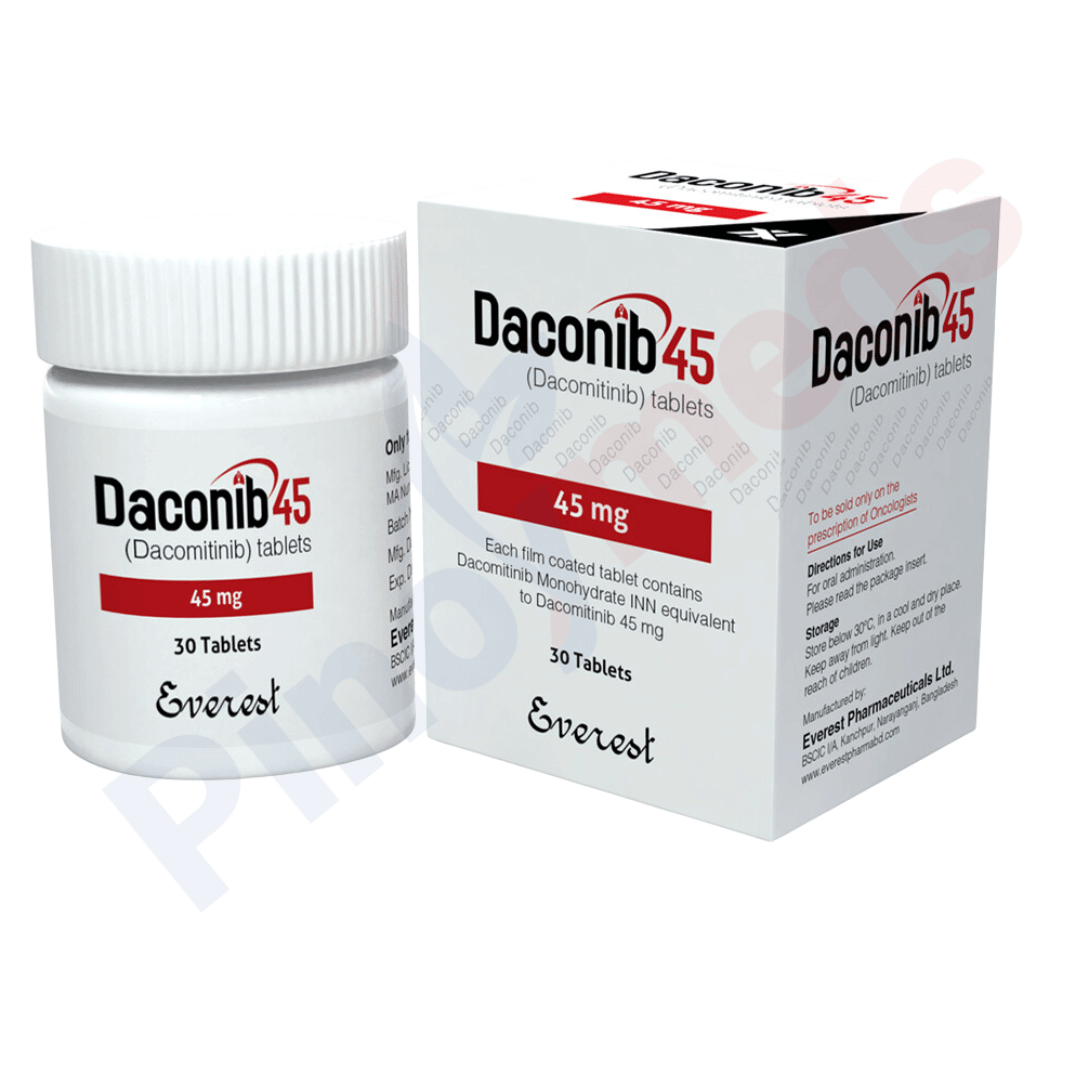
Daconib Dacomitinib 45 mg Tablet

Dacoplice Dacomitinib 30 mg Tablet



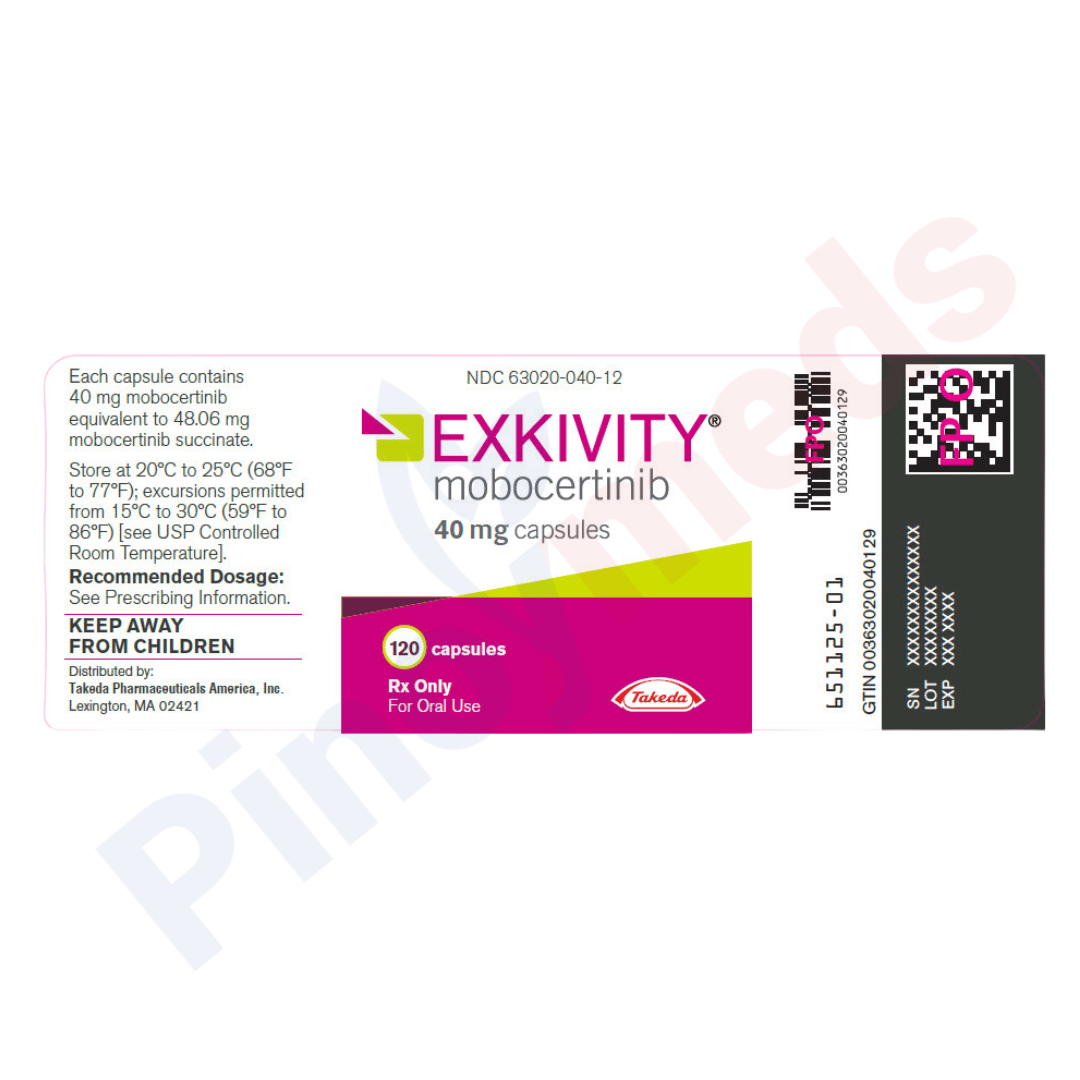
Exkivity Mobocertinib 40 mg Capsule

FAQs
Lung cancer is the uncontrolled growth of abnormal cells in the lungs, which can spread to other parts of the body.
Smoking is the main cause, but air pollution, exposure to harmful chemicals, and genetic factors can also contribute.
Avoid smoking, stay away from secondhand smoke, limit exposure to pollutants, eat a healthy diet, and get regular check-ups if at high risk.
People often notice persistent coughing, chest pain, shortness of breath, unexplained weight loss, or coughing up blood before being diagnosed.
Yes, lung cancer can be treated with surgery, chemotherapy, radiation, immunotherapy, or targeted therapy, depending on the stage.
Common symptoms include a persistent cough, shortness of breath, chest pain, fatigue, hoarseness, and unintentional weight loss.
The long-term effects of vaping are still being studied, but e-cigarettes contain harmful chemicals that may increase the risk of lung damage and cancer.
While not fully proven, vaping exposes the lungs to harmful substances that may increase the risk of lung disease and possibly cancer.
It can cause chest pain, breathing difficulties, fatigue, and discomfort in the chest, back, or shoulders.
Survival depends on the stage at diagnosis. Early-stage lung cancer has a higher survival rate, while advanced stages are harder to treat.
While smoking is the main cause, genetic factors can increase the risk, especially if a close family member has had lung cancer.
Chest X-rays can sometimes detect lung cancer, but a CT scan is more accurate for early detection.
Common signs include a persistent cough, shortness of breath, chest pain, unexplained weight loss, and coughing up blood.
Smoking is the leading cause, but other factors include secondhand smoke, air pollution, and exposure to harmful chemicals like asbestos.
It varies based on the stage and type. Early-stage patients may live for many years, while advanced lung cancer reduces life expectancy.
The main types are small-cell lung cancer (SCLC) and non-small-cell lung cancer (NSCLC), which include adenocarcinoma, squamous cell carcinoma, and large cell carcinoma.
Palliative care helps manage symptoms and improve the quality of life for people with serious illnesses like lung cancer.
Treatments include surgery, radiation, chemotherapy, targeted therapy, and immunotherapy, depending on the cancer stage.
SCLC has two stages: the limited stage (confined to one lung) and the extensive stage (spread to other parts of the body).
Yes, high-risk individuals, such as long-term smokers or those with a family history, should get regular lung cancer screenings.