



Liver Cancer
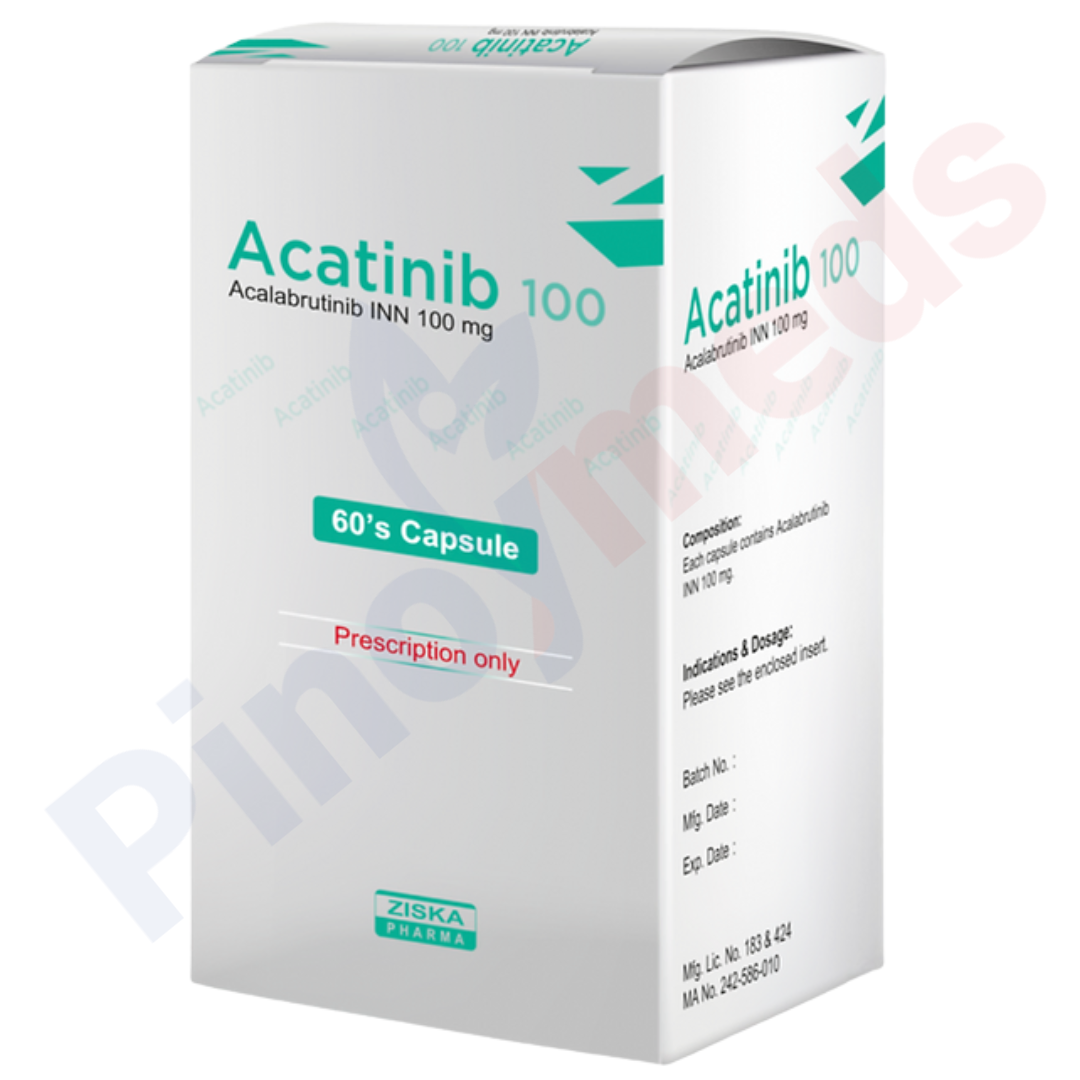
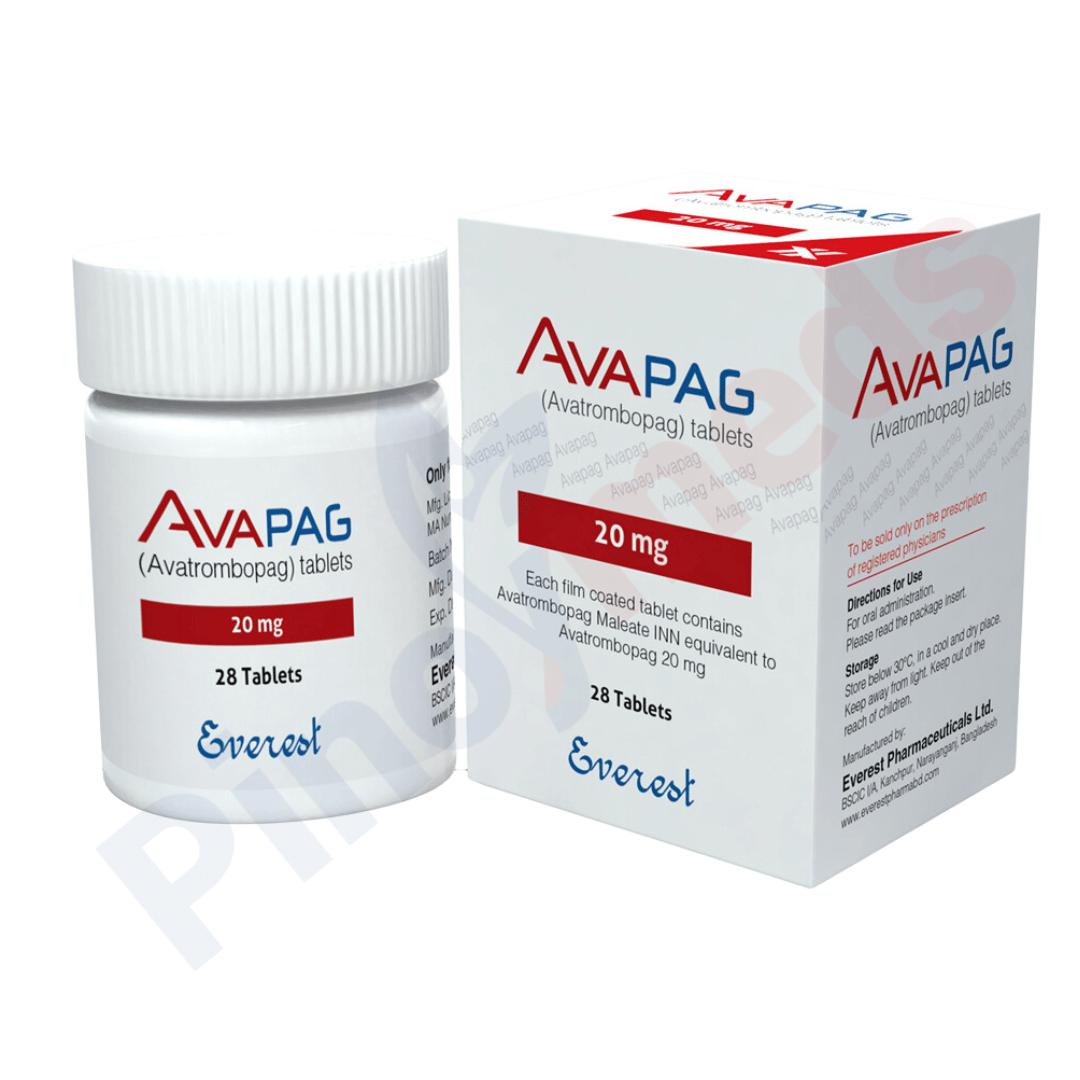
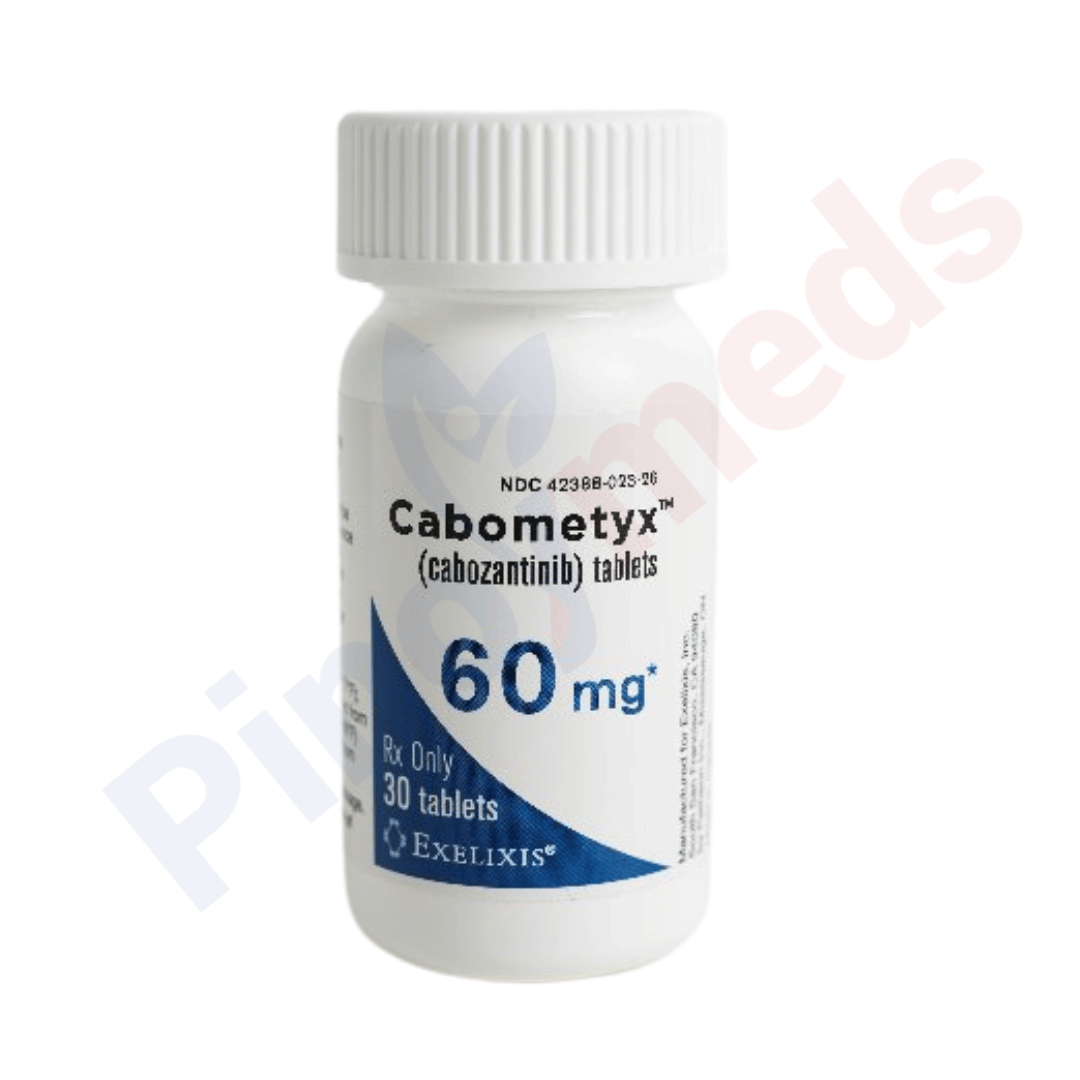
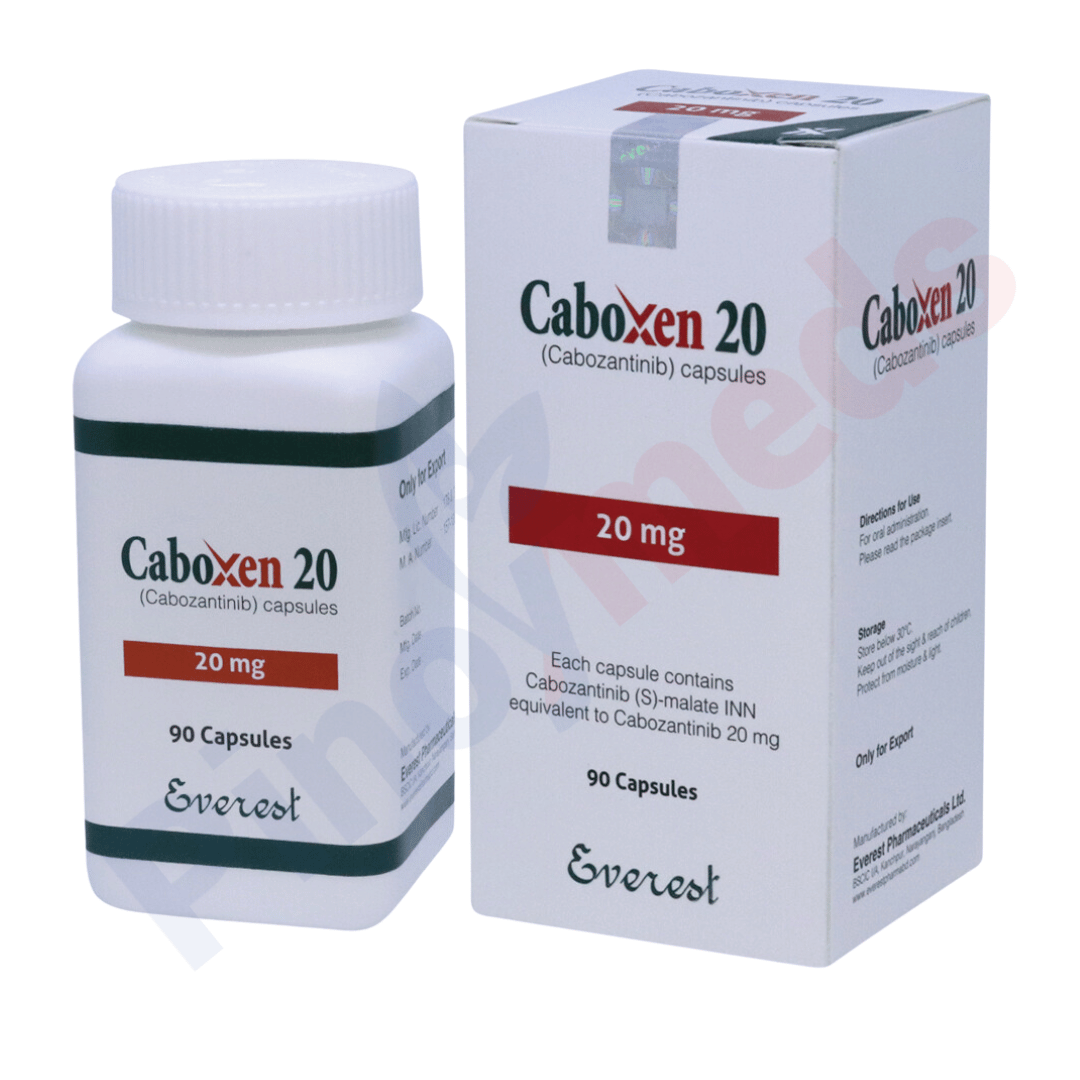
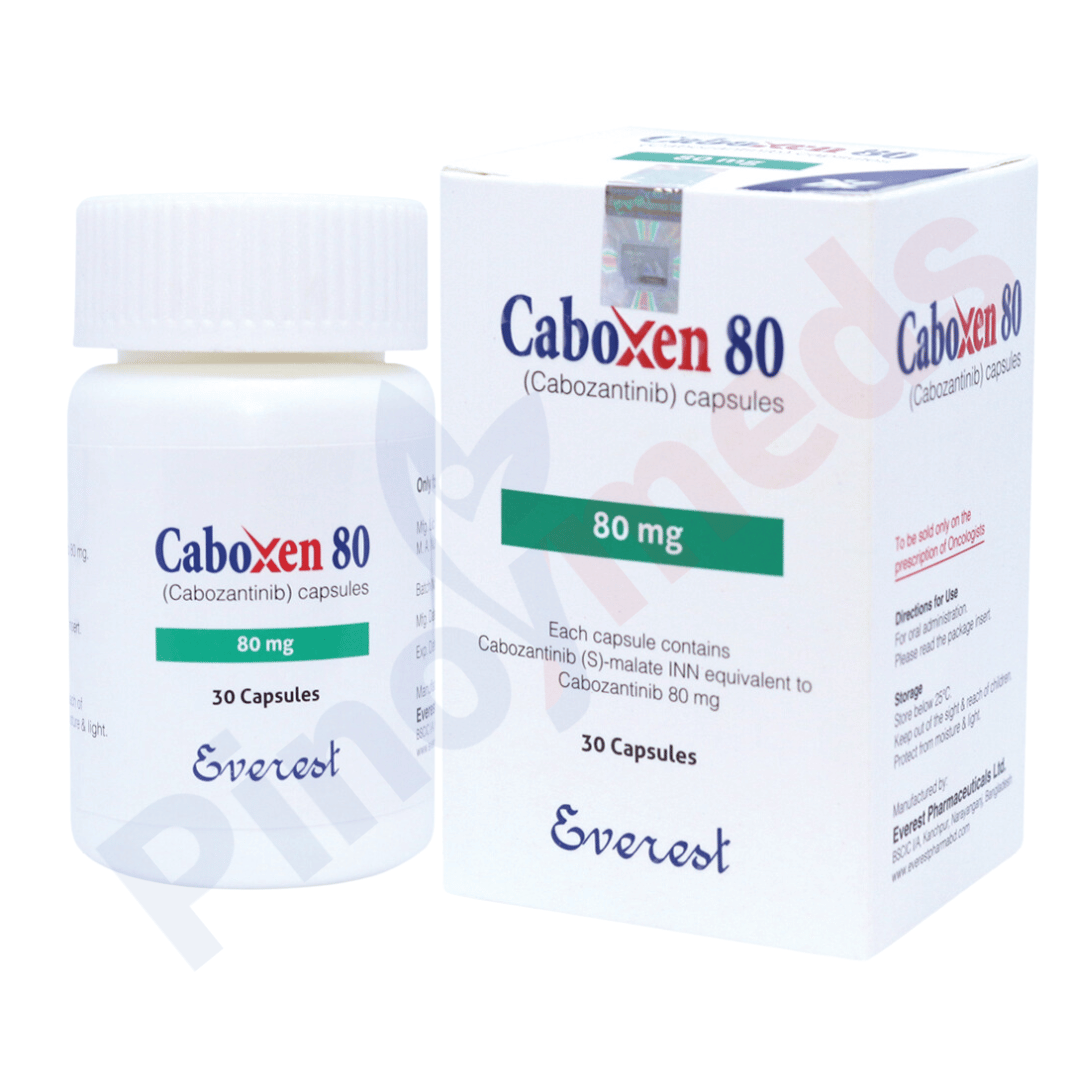

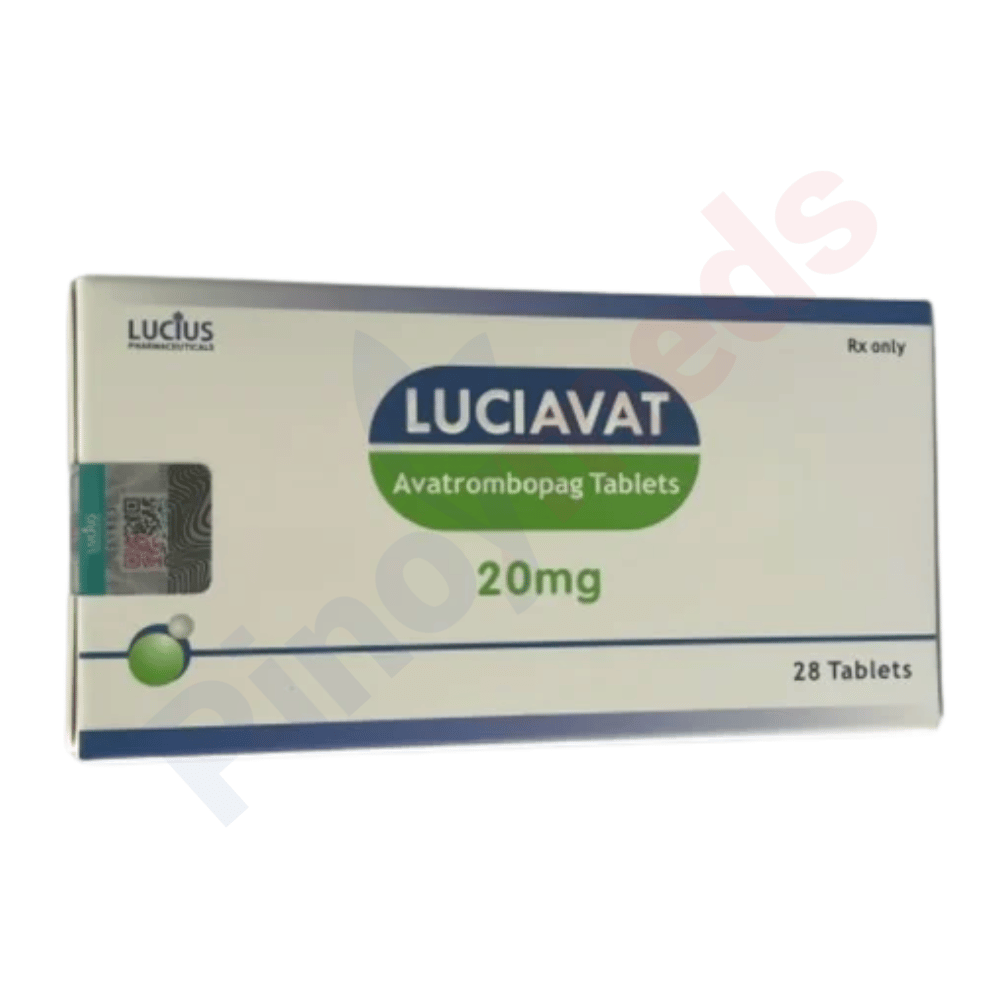
Doptelet Avatrombopag 20 mg Tablet

Hepanib Sorafenib 200 mg Tablet
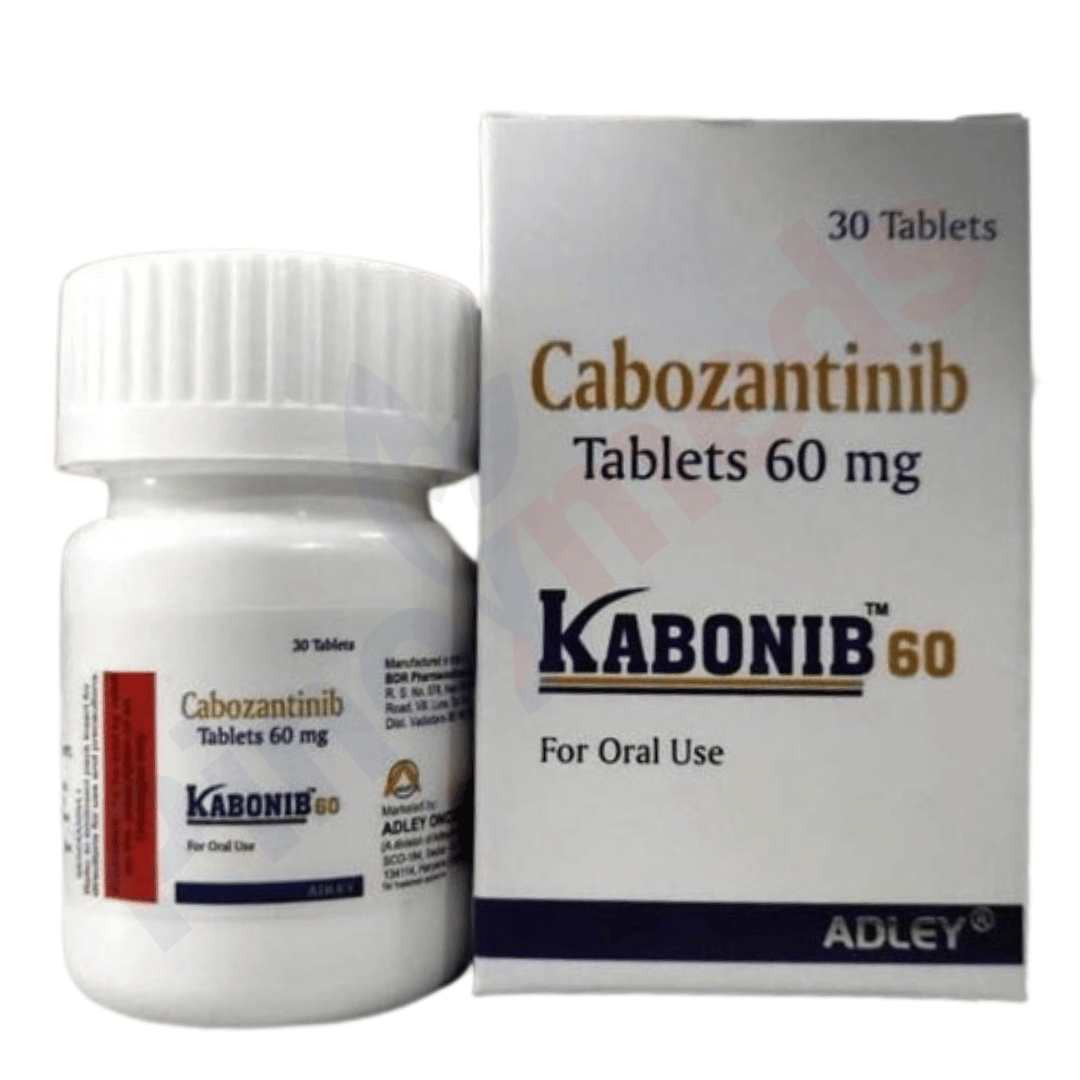
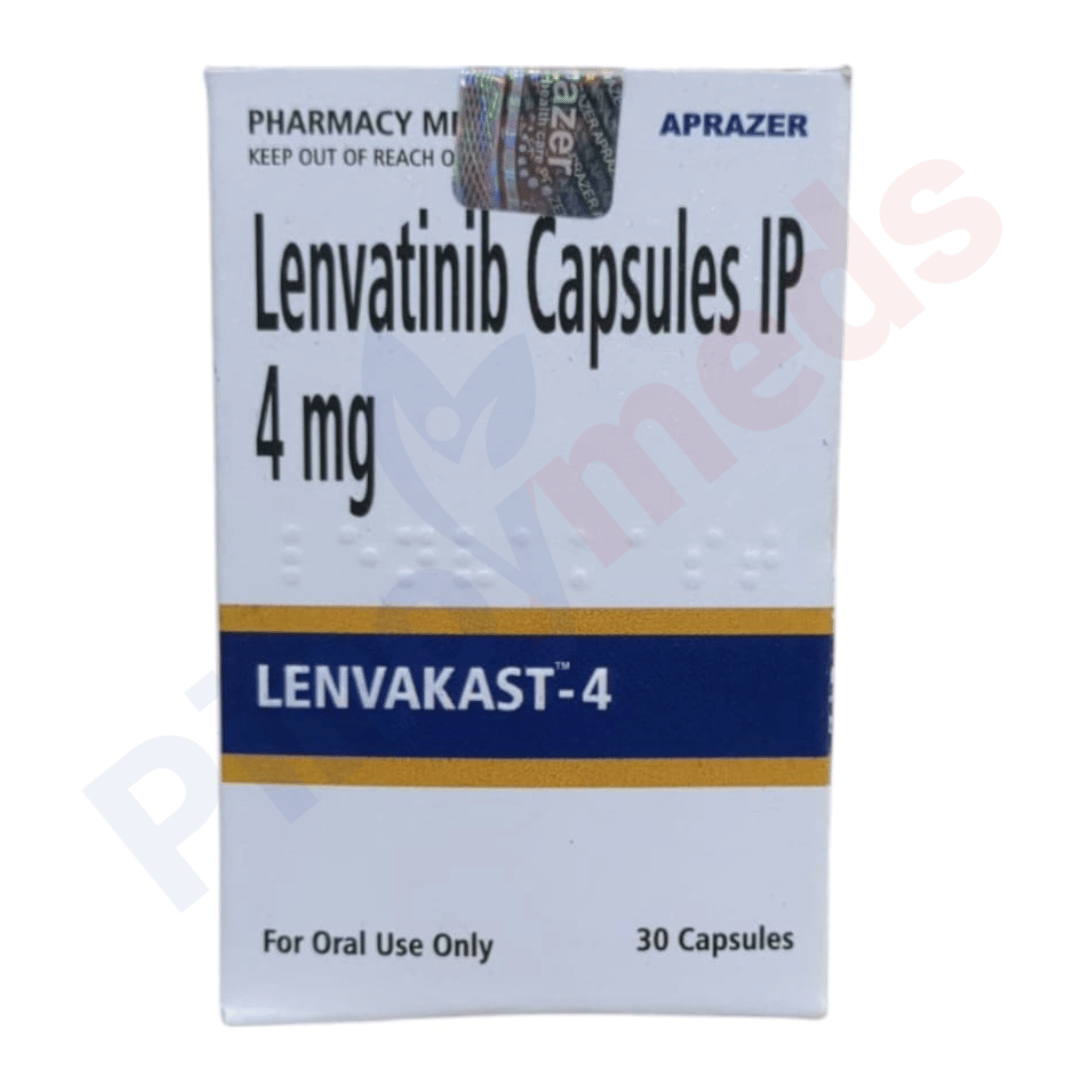
Lenvakast Lenvatinib 4 mg Capsule
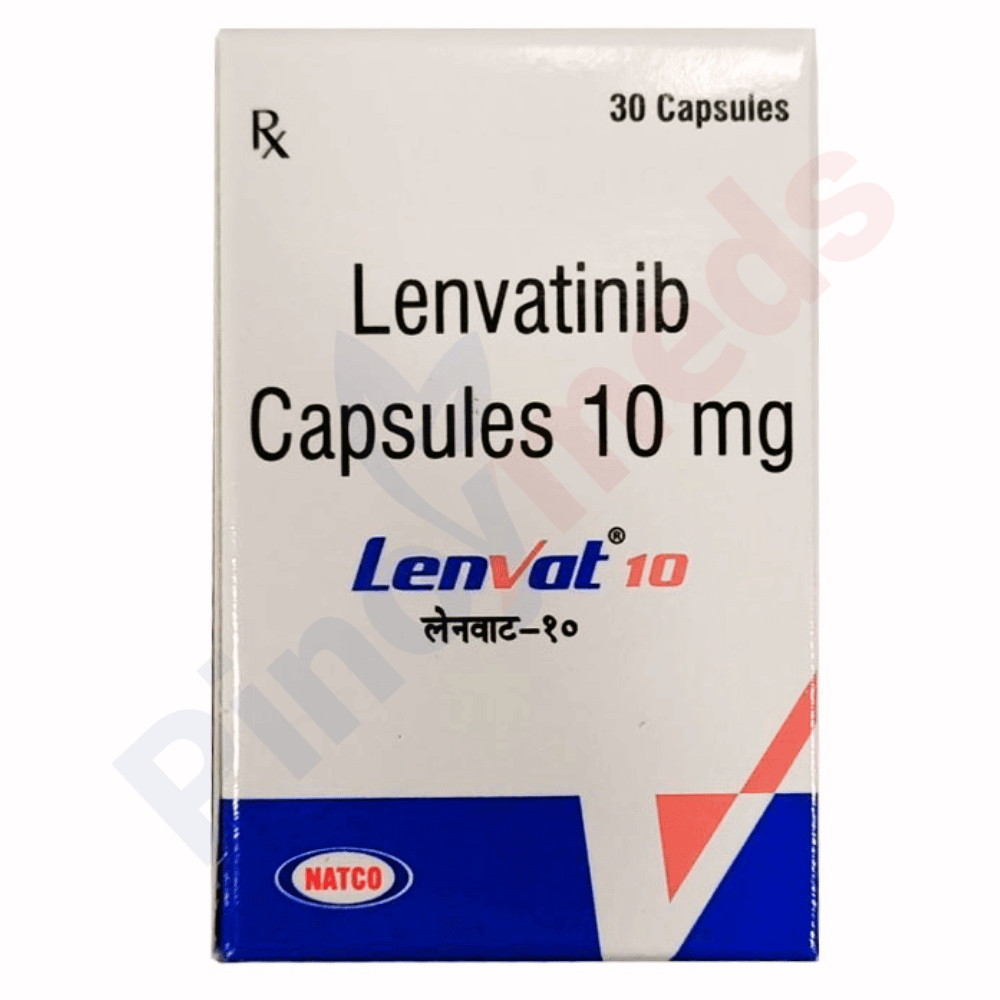
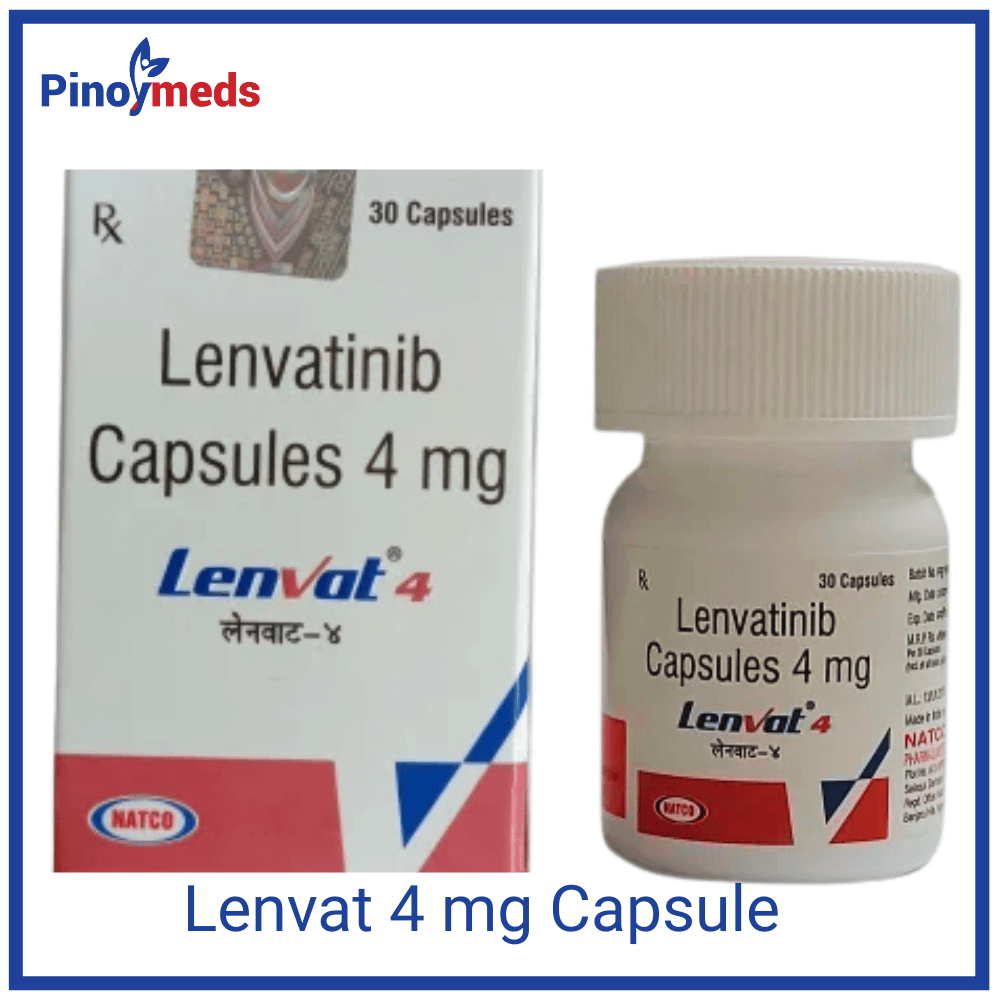
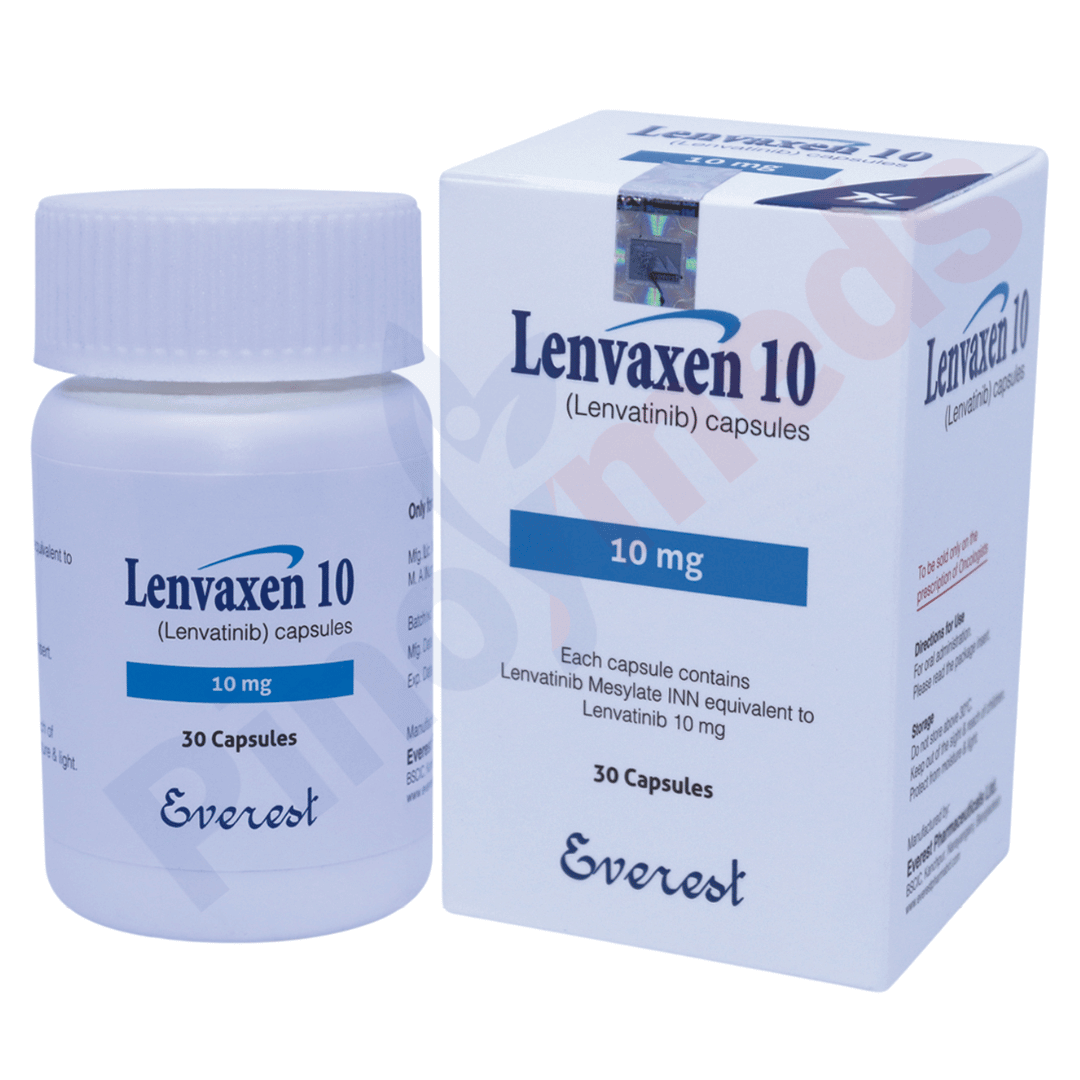
Lenvaxen Lenvatinib 10 mg Capsule
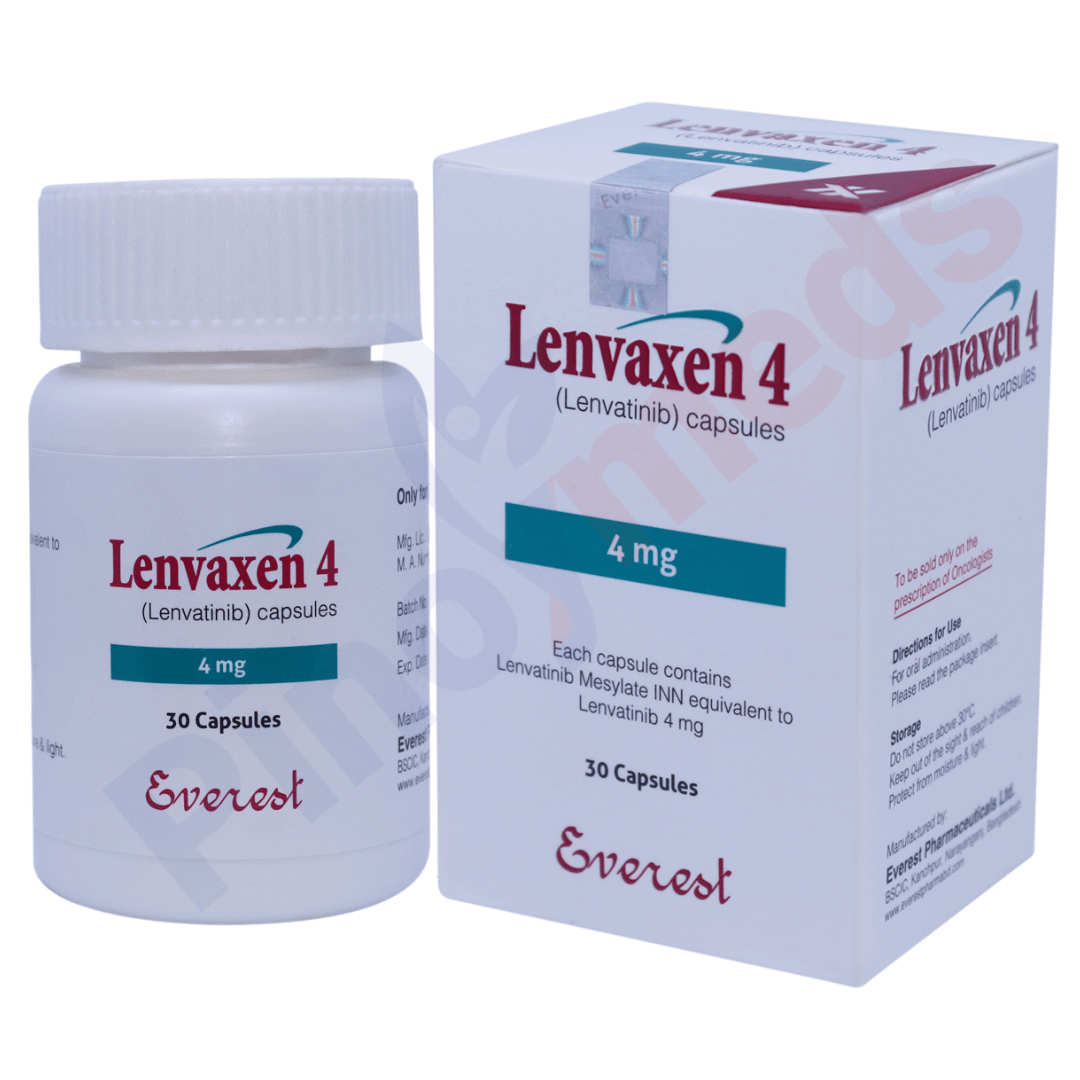
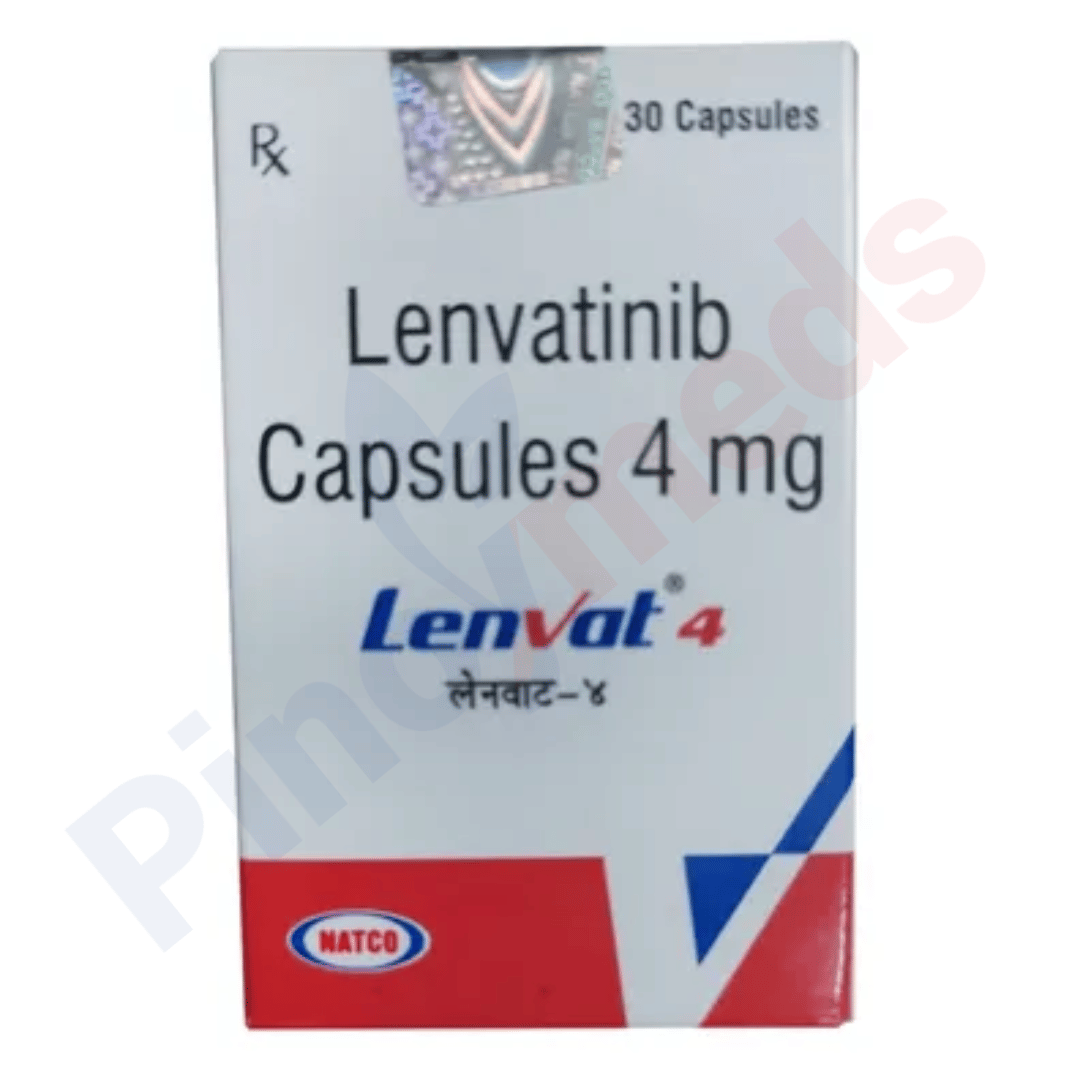
Lenvaxen Lenvatinib 4 mg Capsule
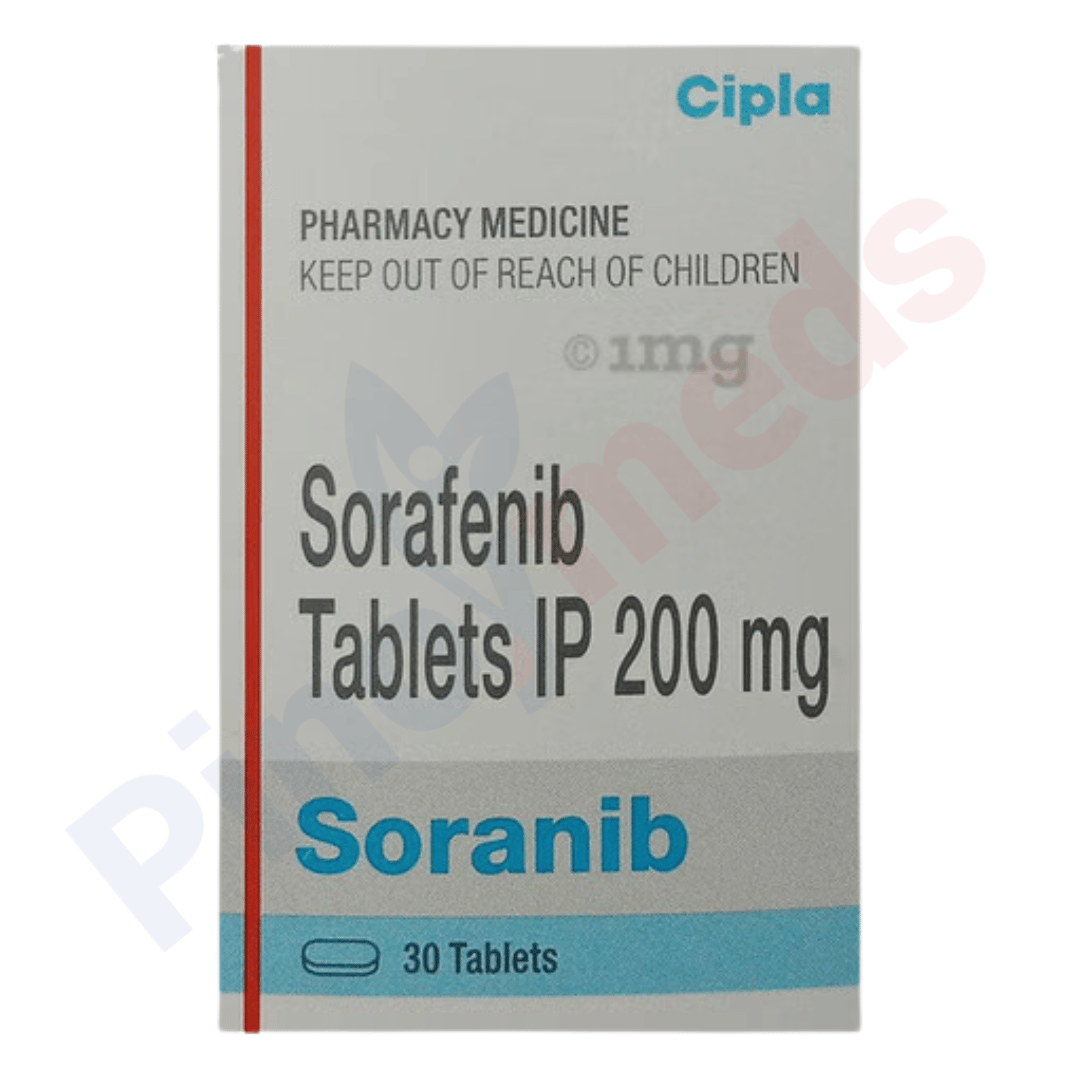
Soranib Sorafenib 200 mg Tablet
FAQs
Liver cancer is a type of cancer that begins in the liver cells. The most common type is hepatocellular carcinoma (HCC).
Common causes include chronic hepatitis B or C infection, cirrhosis, excessive alcohol consumption, non-alcoholic fatty liver disease (NAFLD), and exposure to aflatoxins.
Early signs may include unexplained weight loss, loss of appetite, fatigue, and upper abdominal pain.
Liver cancer can develop due to chronic liver disease, viral infections, genetic factors, obesity, and exposure to carcinogens.
Survival varies, but with treatment, some patients may live for months to a few years, depending on factors like cancer type and overall health.
Stage 4 peritoneal cancer has a poor prognosis, with survival typically ranging from months to a few years, depending on treatment and response.
Yes, it is treatable, especially in early stages. Treatment options include surgery, liver transplant, targeted therapy, immunotherapy, and chemotherapy.
Some patients have survived over 10 years with successful early treatment, but advanced cases have shorter survival times.
Early symptoms include fatigue, nausea, loss of appetite, weight loss, and mild abdominal discomfort.
Symptoms include jaundice, swelling in the abdomen, pain in the right upper abdomen, nausea, vomiting, and unexplained weight loss.
While most cases are caused by environmental factors, a family history of liver disease or cancer can increase the risk.
Life expectancy depends on the stage of liver cancer. Early-stage patients may live for years with treatment, while advanced-stage patients may have months to a few years.
It can be curable in the early stages with surgery or liver transplantation. However, advanced liver cancer is difficult to cure.
Severe pain, extreme fatigue, weight loss, jaundice (yellowing of skin and eyes), fluid buildup in the abdomen, confusion, and loss of appetite.
It varies, but liver cancer can be aggressive, especially if untreated, spreading quickly to nearby tissues and distant organs.
Advanced liver cancer is often fatal, but early detection and treatment can improve survival rates.
Weakness, extreme fatigue, loss of appetite, confusion, difficulty breathing, organ failure, and unresponsiveness.
Yes, regular screening tests like ultrasounds and blood tests (AFP test) can help detect liver cancer early, especially in high-risk individuals.
Yes, liver cancer has a high recurrence rate, even after successful treatment, making regular follow-ups necessary.
Chemotherapy can slow the progression but rarely cures liver cancer. Targeted therapy and immunotherapy may be more effective in advanced cases.