



Kidney Cancer










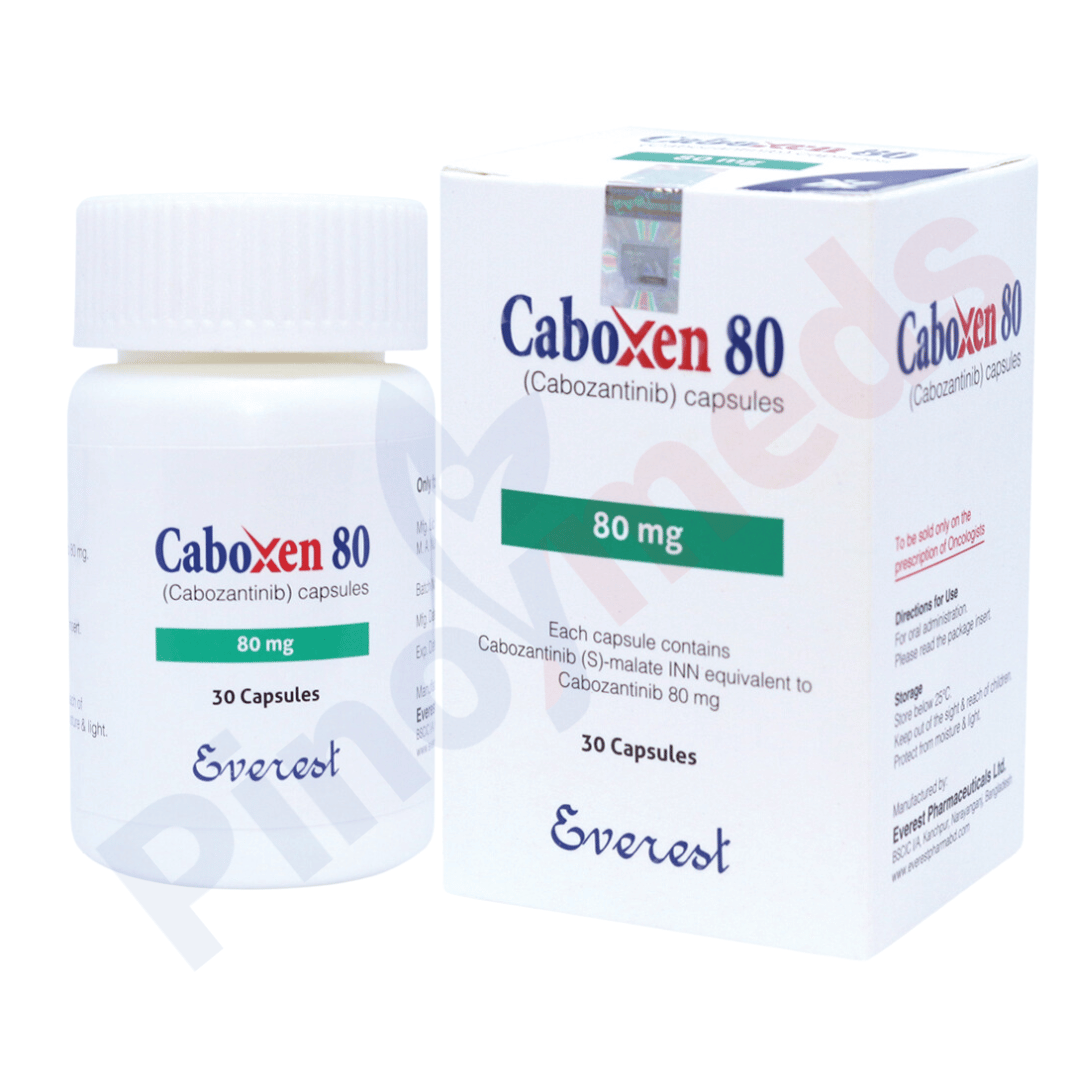

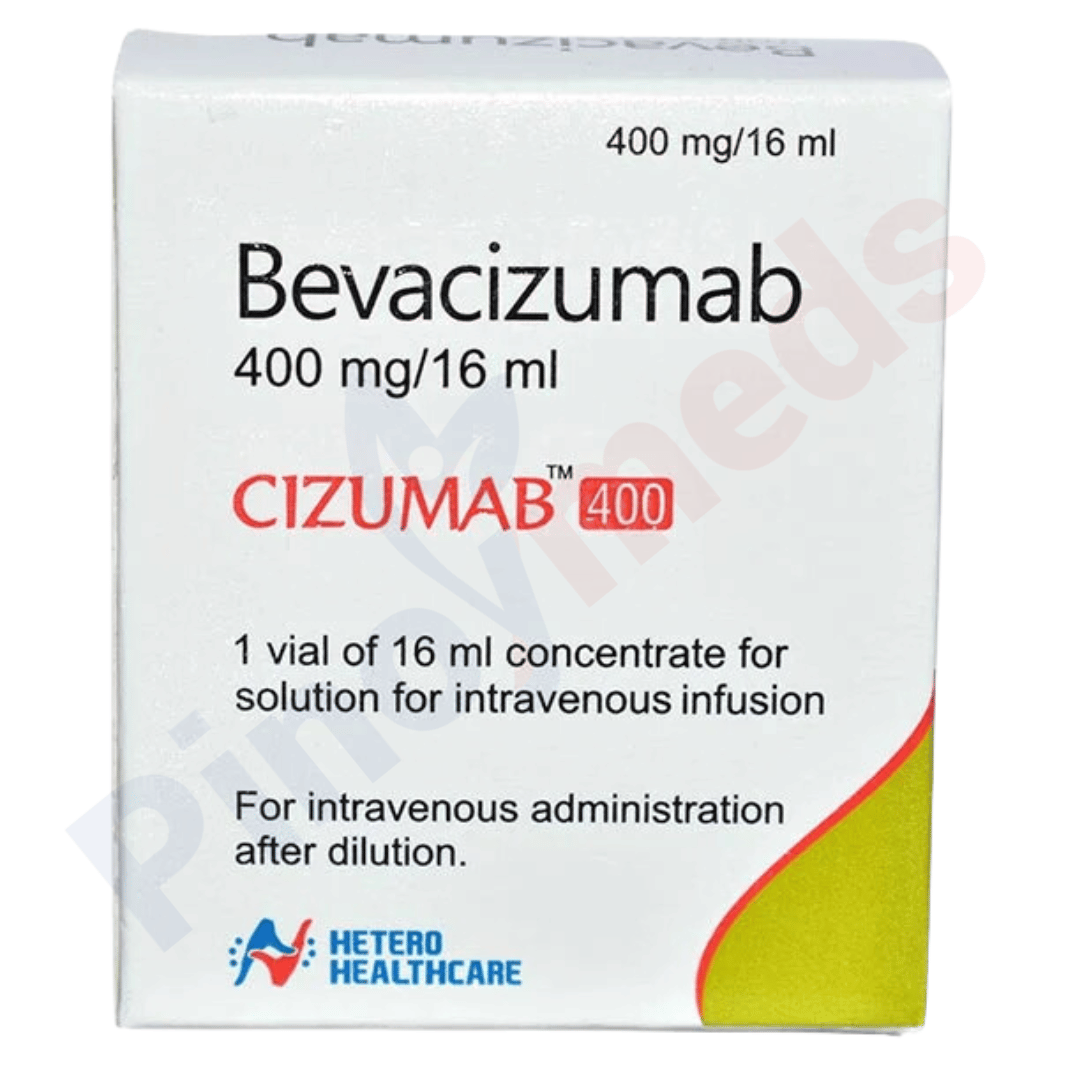

Hepanib Sorafenib 200 mg Tablet


Lenvakast Lenvatinib 10 mg Capsule

Lenvakast Lenvatinib 4 mg Capsule





Lenvaxen Lenvatinib 10 mg Capsule

Lenvaxen Lenvatinib 4 mg Capsule

Lenvima Lenvatinib 10 mg Capsule

Lenvima Lenvatinib 4 mg Capsule


FAQs
Kidney cancer is a disease where abnormal cells grow uncontrollably in the kidneys, forming a tumor. The most common type is renal cell carcinoma (RCC).
The exact cause is unknown, but risk factors include smoking, obesity, high blood pressure, and a family history of kidney cancer.
Early symptoms may include blood in the urine, lower back pain, weight loss, fatigue, and a lump in the kidney area.
Kidney cancer commonly spreads to the lungs, bones, liver, and nearby lymph nodes.
If detected early, kidney cancer can often be cured through surgery or targeted therapy. Advanced stages are harder to cure but can be managed with treatment.
Many people live normal, healthy lives with one kidney as long as it functions well and they maintain a healthy lifestyle.
Life expectancy depends on the stage of kidney cancer. If caught early, survival rates are high, but advanced stages may lower life expectancy.
Kidney cancer may not be treatable when it has spread extensively and does not respond to available therapies. At this stage, palliative care is used to manage symptoms.
Stage 4 is the final stage, where cancer has spread to distant organs like the lungs, liver, or bones.
Many people discover kidney cancer during routine scans or tests for other conditions. Symptoms like blood in urine, lower back pain, and unexplained weight loss may lead to further testing.
No, liver cancer affects the liver, while kidney cancer originates in the kidneys. They are separate diseases but may share some risk factors.
Kidney cancer often spreads first to the lungs, bones, liver, and nearby lymph nodes.
Regular health checkups, imaging tests (like CT scans or ultrasounds), and urine tests can help detect kidney cancer early, especially for high-risk individuals.
Lower back pain is usually muscle-related and affects a broad area. Kidney pain is deeper, often felt on one side below the ribs, and may come with symptoms like fever, nausea, or blood in the urine.
While most cases are not inherited, some genetic conditions, like von Hippel-Lindau’s disease, can increase the risk of kidney cancer.
Symptoms may include blood in the urine, persistent lower back pain, unexplained weight loss, fatigue, and a lump in the kidney area.
The recurrence rate depends on the stage and type of kidney cancer. Early-stage cancer has a lower recurrence rate, while advanced cases have a higher risk of returning.
The exact cause is unknown, but risk factors include smoking, obesity, high blood pressure, exposure to certain chemicals, and a family history of kidney cancer.
The awareness ribbon for kidney cancer is orange.