



Immunotherapy
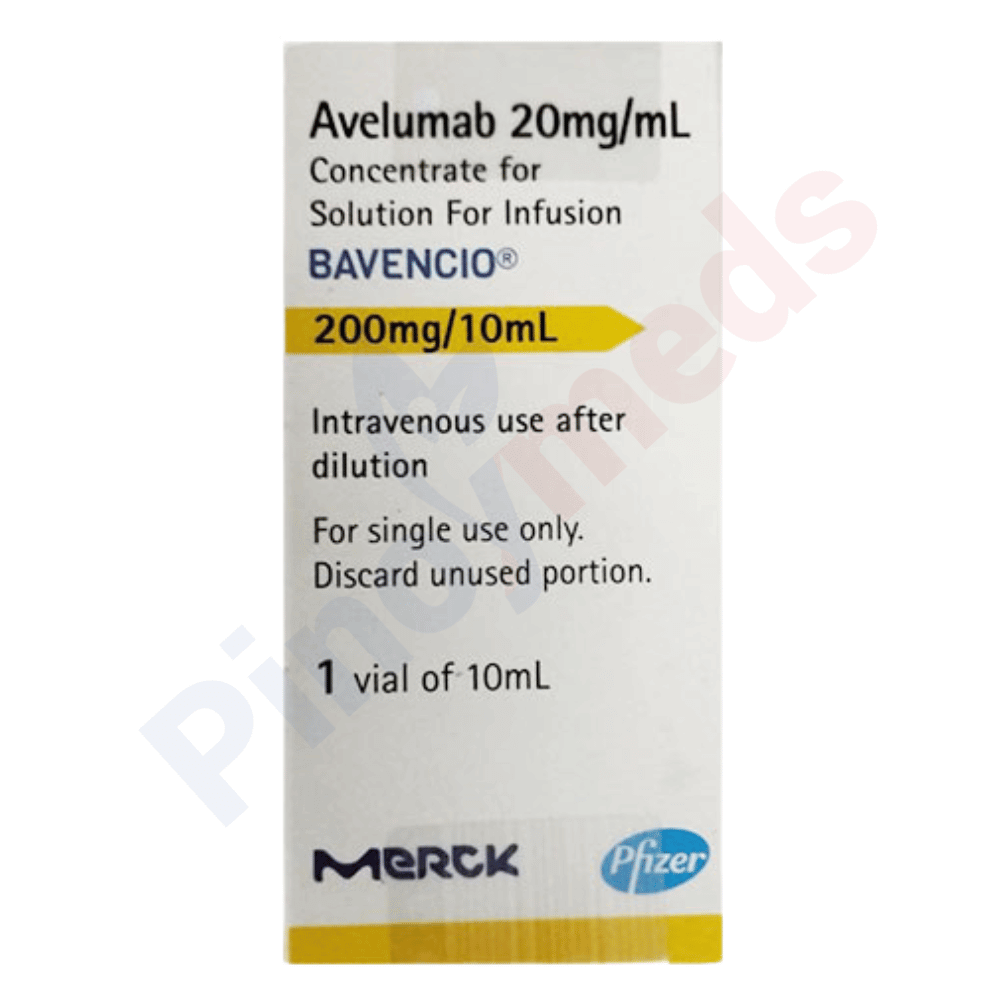
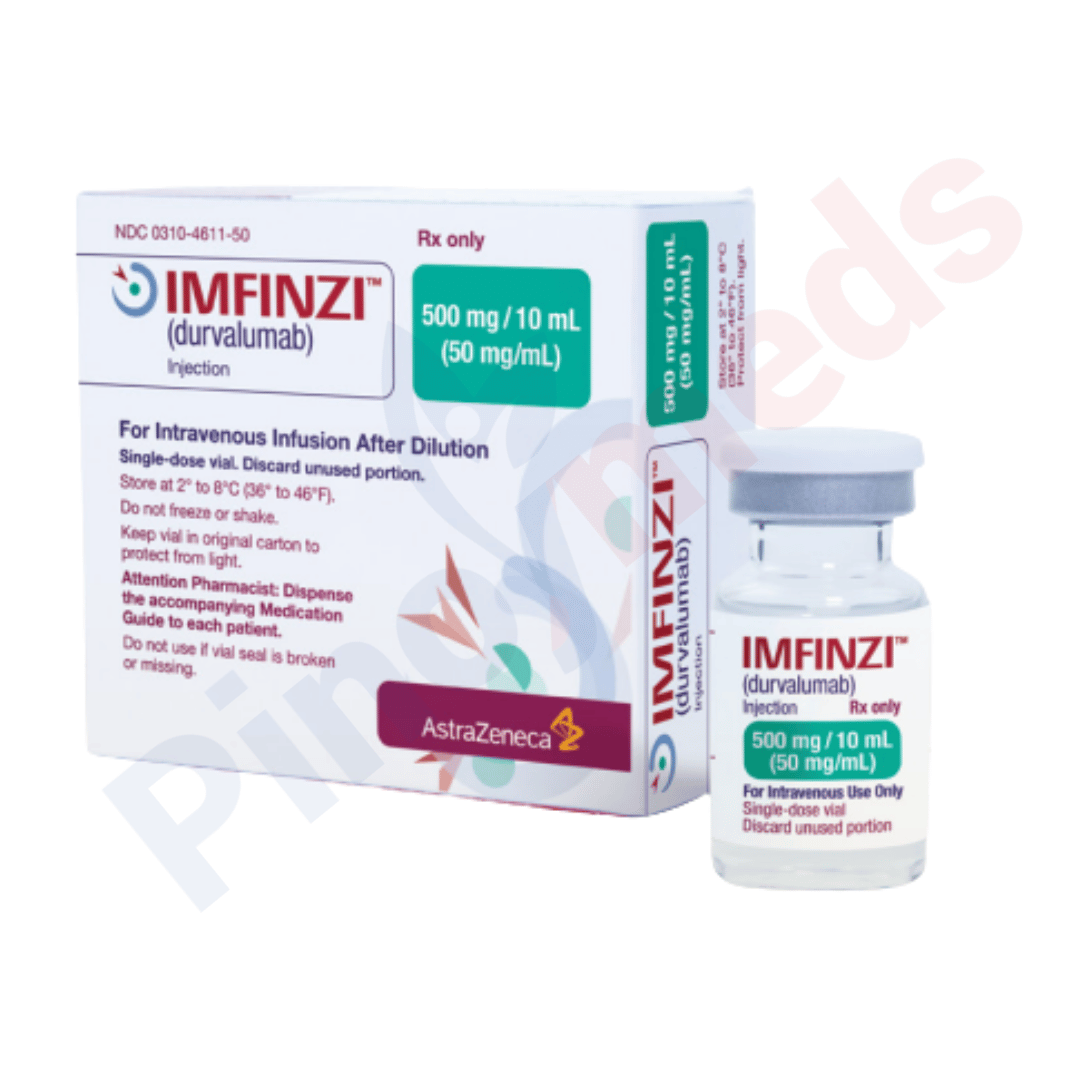
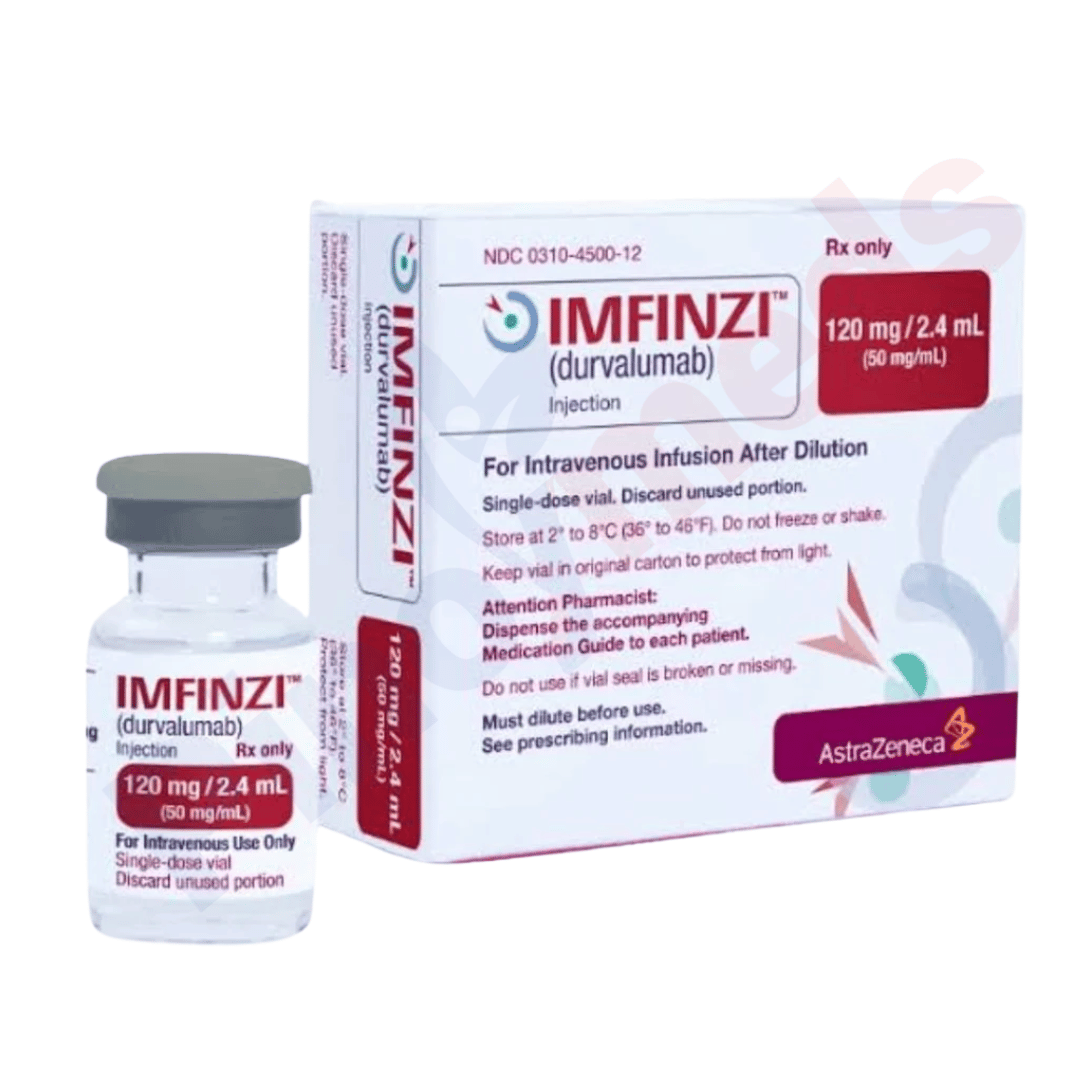
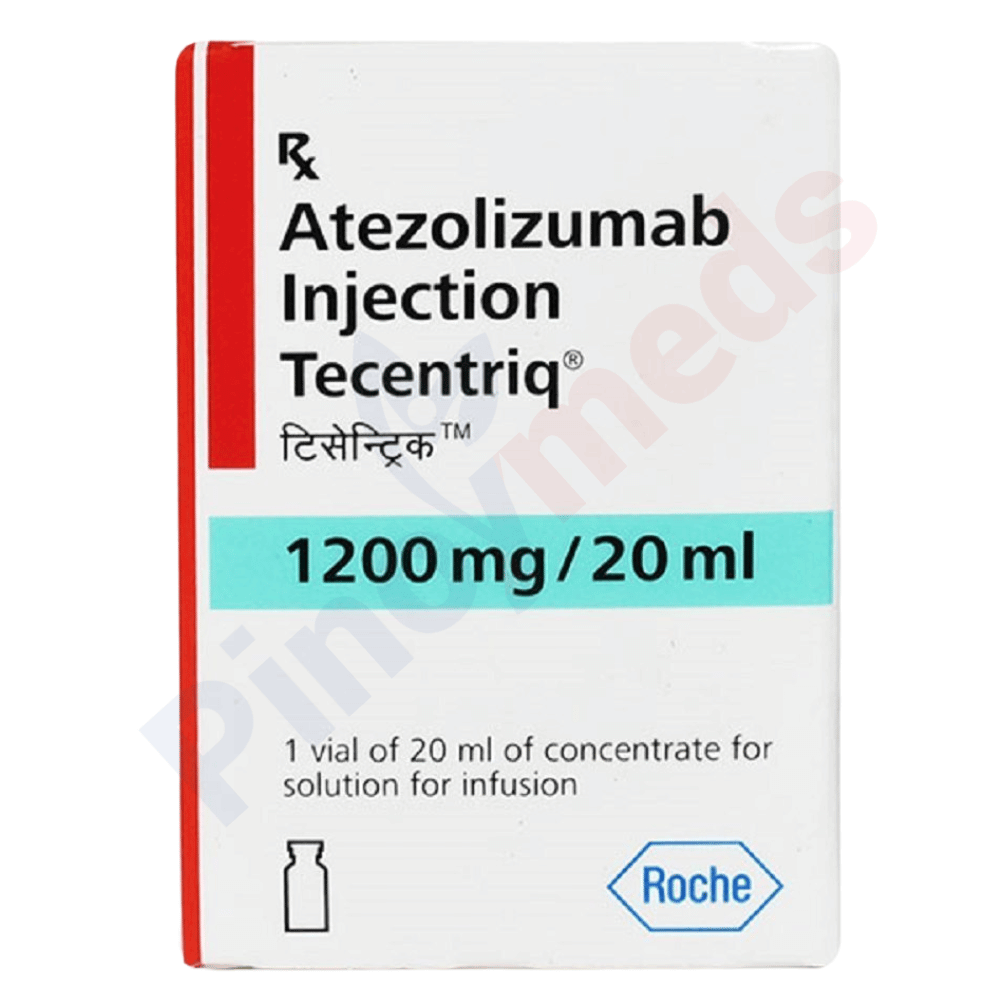
Imfinzi Durvalumab 120 mg Vial
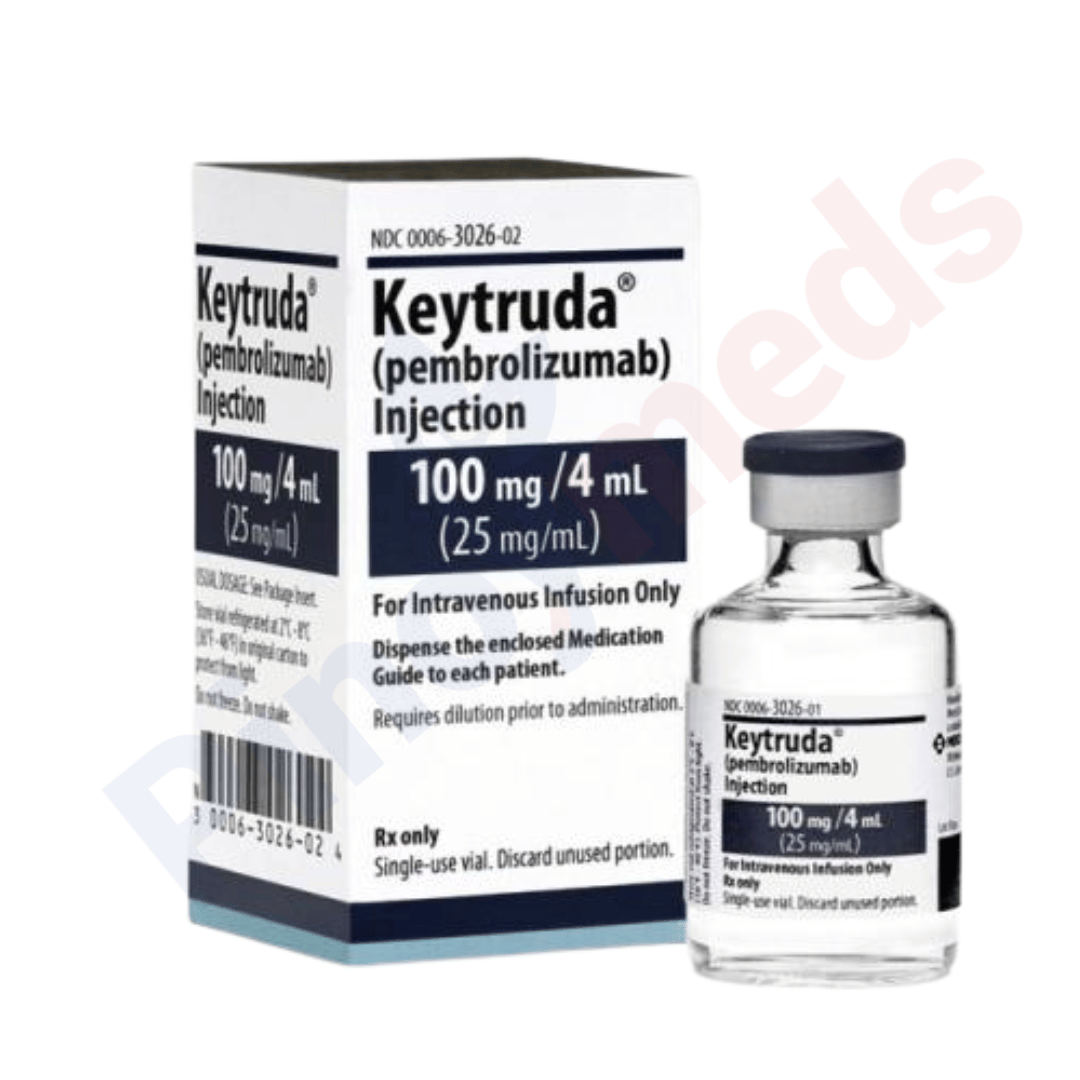
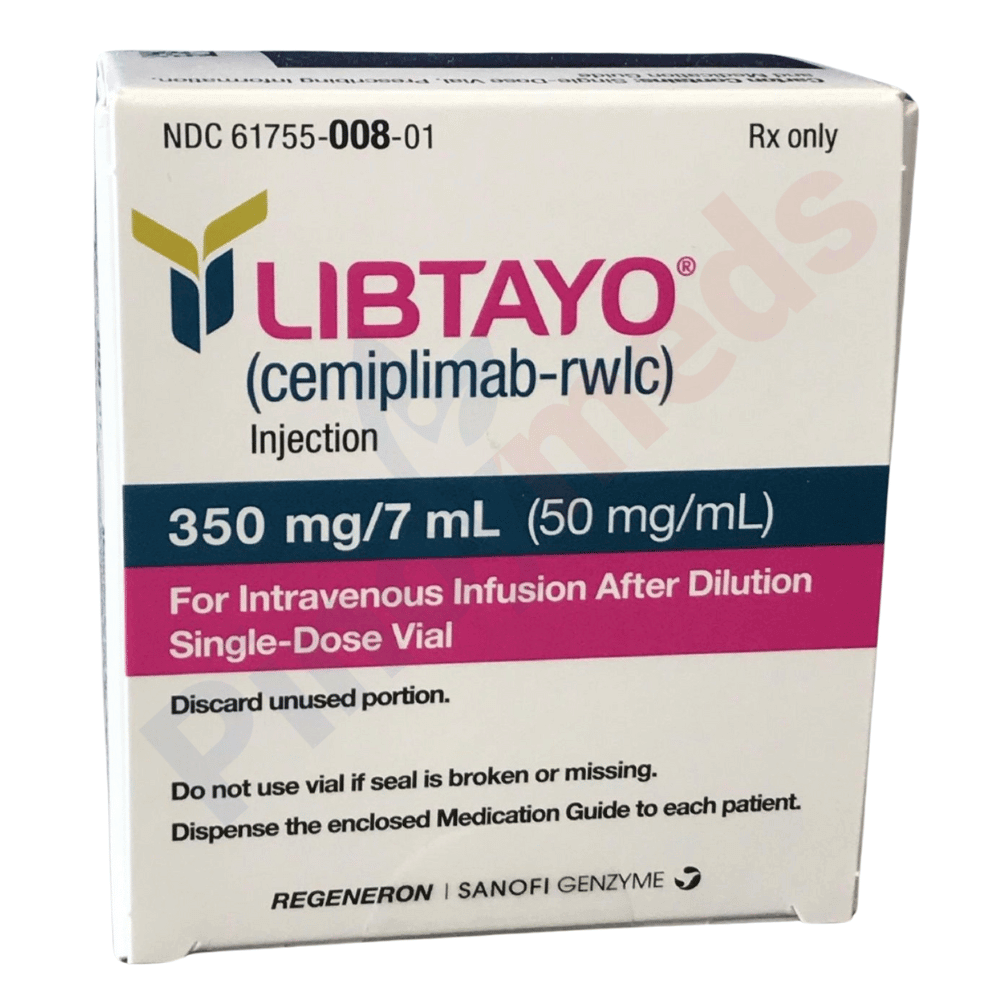
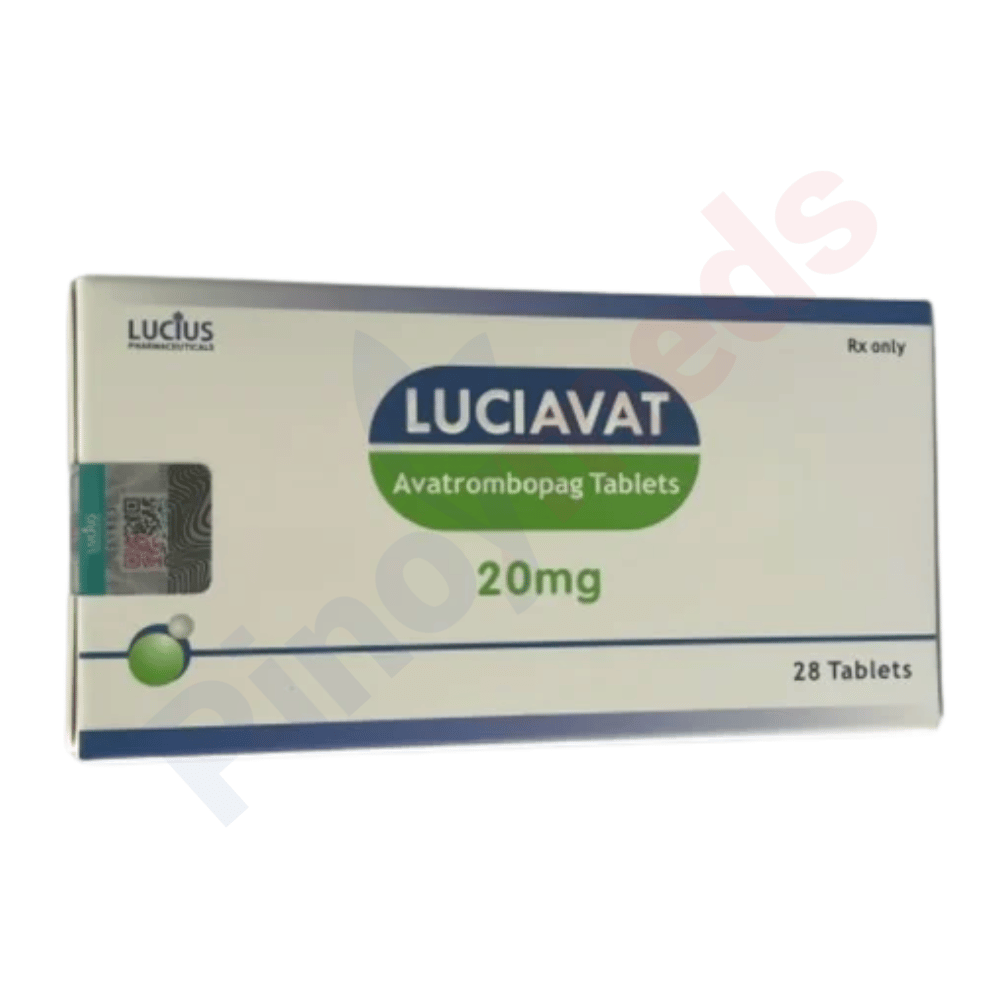
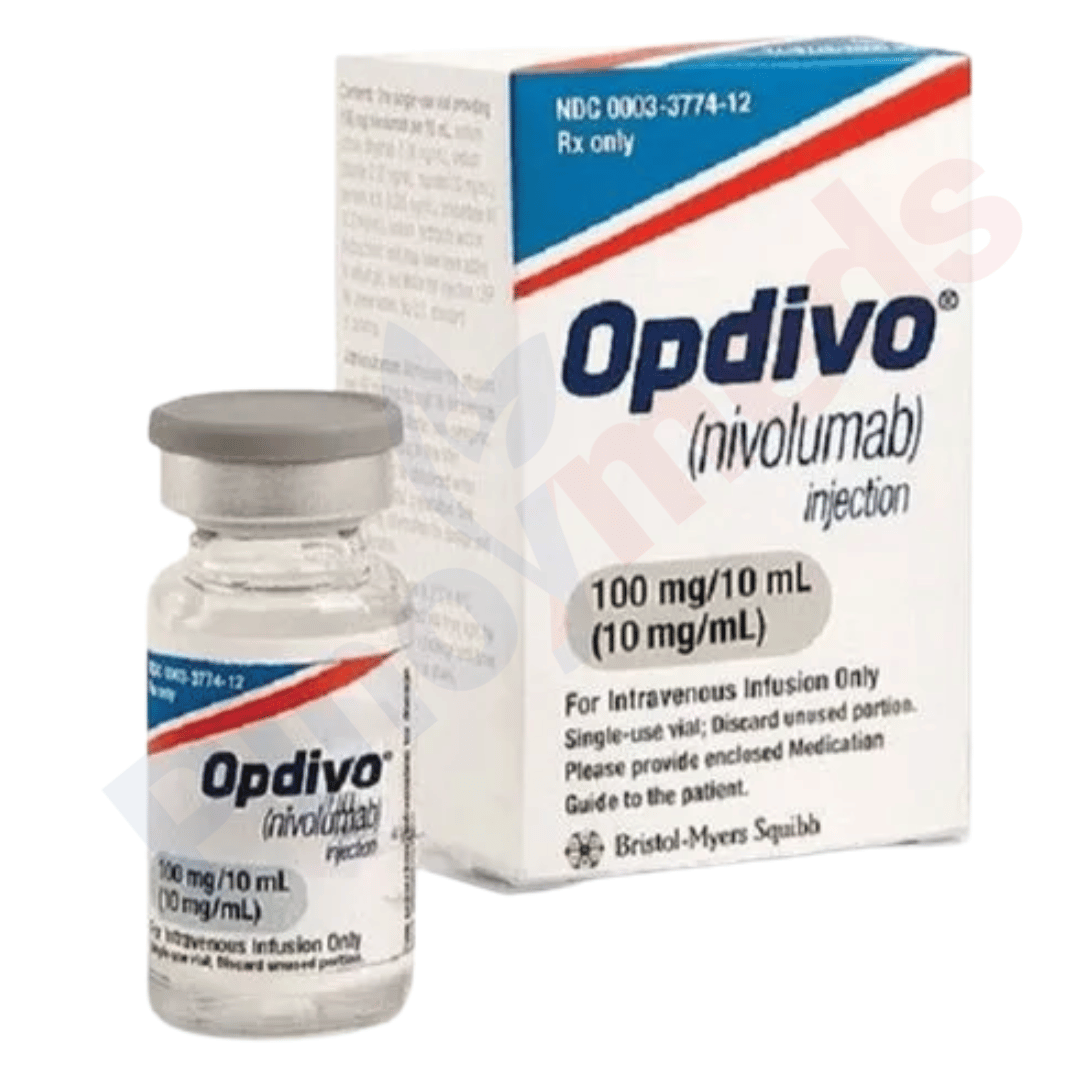
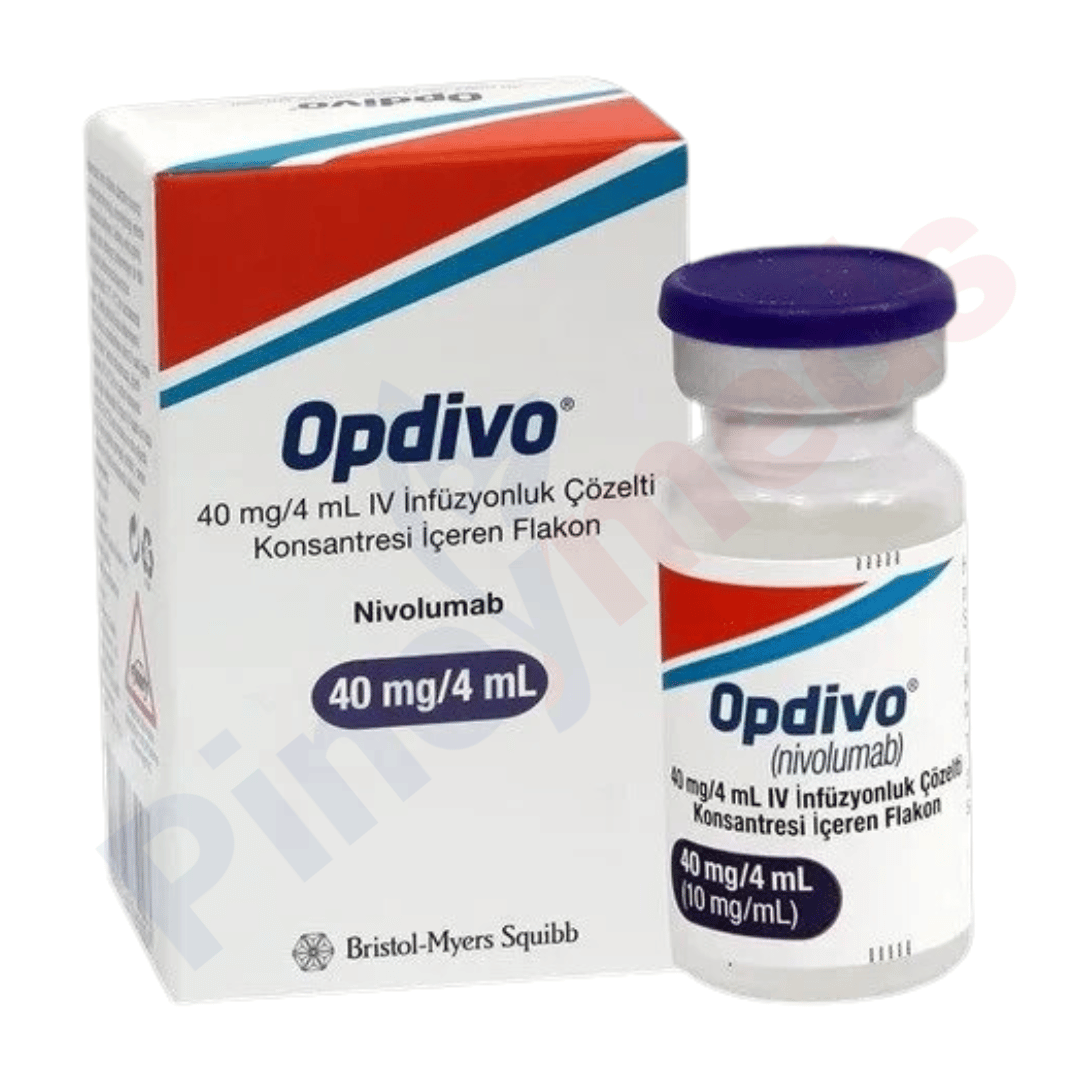

Pembroxim Pembrolizumab 100 mg Vial
FAQs
Immunotherapy is a treatment that helps the immune system fight diseases, mainly cancer, by boosting or modifying its response to abnormal cells.
Immunotherapy is a treatment that helps the immune system fight diseases, mainly cancer. It is used for various cancers, including lung, melanoma, bladder, and lymphoma.
Immunotherapy can be more effective than chemotherapy for some cancers, as it targets cancer cells while sparing healthy ones. However, its effectiveness depends on the type and stage of cancer.
The main types include checkpoint inhibitors, monoclonal antibodies, and cancer vaccines. Other forms like CAR-T cell therapy and cytokine therapy also exist.
Immunotherapy is generally beneficial as it boosts the body’s natural defense against cancer. However, it can cause side effects like inflammation, fatigue, and immune-related reactions.
Immunotherapy is not suitable for all patients. It depends on the type of cancer, overall health, and how well the immune system responds to treatment.
Life expectancy varies based on cancer type and response to treatment. Some patients achieve long-term remission, while others may see extended survival compared to traditional treatments.
Immunotherapy is sometimes used when other treatments fail because it does not work for all cancers. It is also expensive and may cause severe side effects.
Immunotherapy may not cure stage 4 cancer but can help control the disease, shrink tumors, and extend survival in some cases.
Immunotherapy enhances the immune system’s ability to recognize and attack cancer cells while sparing normal cells.
Severe side effects may include inflammation of organs, fatigue, skin rashes, diarrhea, and autoimmune reactions where the immune system attacks healthy cells.
The effectiveness is assessed using imaging tests, blood markers, and symptom improvement over time.
Patients with specific cancers, genetic markers, or weakened responses to traditional treatments may qualify for immunotherapy.
Yes, allergen immunotherapy (allergy shots) helps reduce allergic reactions by gradually desensitizing the immune system.
It can be given through intravenous (IV) infusions, injections, oral medications, or topical creams, depending on the condition being treated.
The effects can last from weeks to months, even after treatment stops, as the immune system continues to respond.
Immunotherapy is effective for certain cancers and diseases but does not work for everyone. Its success depends on the patient’s condition and response.
No, chemotherapy kills cancer cells directly, while immunotherapy helps the immune system recognize and fight cancer.
Some forms of liquid immunotherapy, like BCG therapy, are used to treat bladder cancer by boosting the immune response.
It can be given through IV infusion, injections, pills, or topical application, depending on the treatment type.