



Chemotherapy

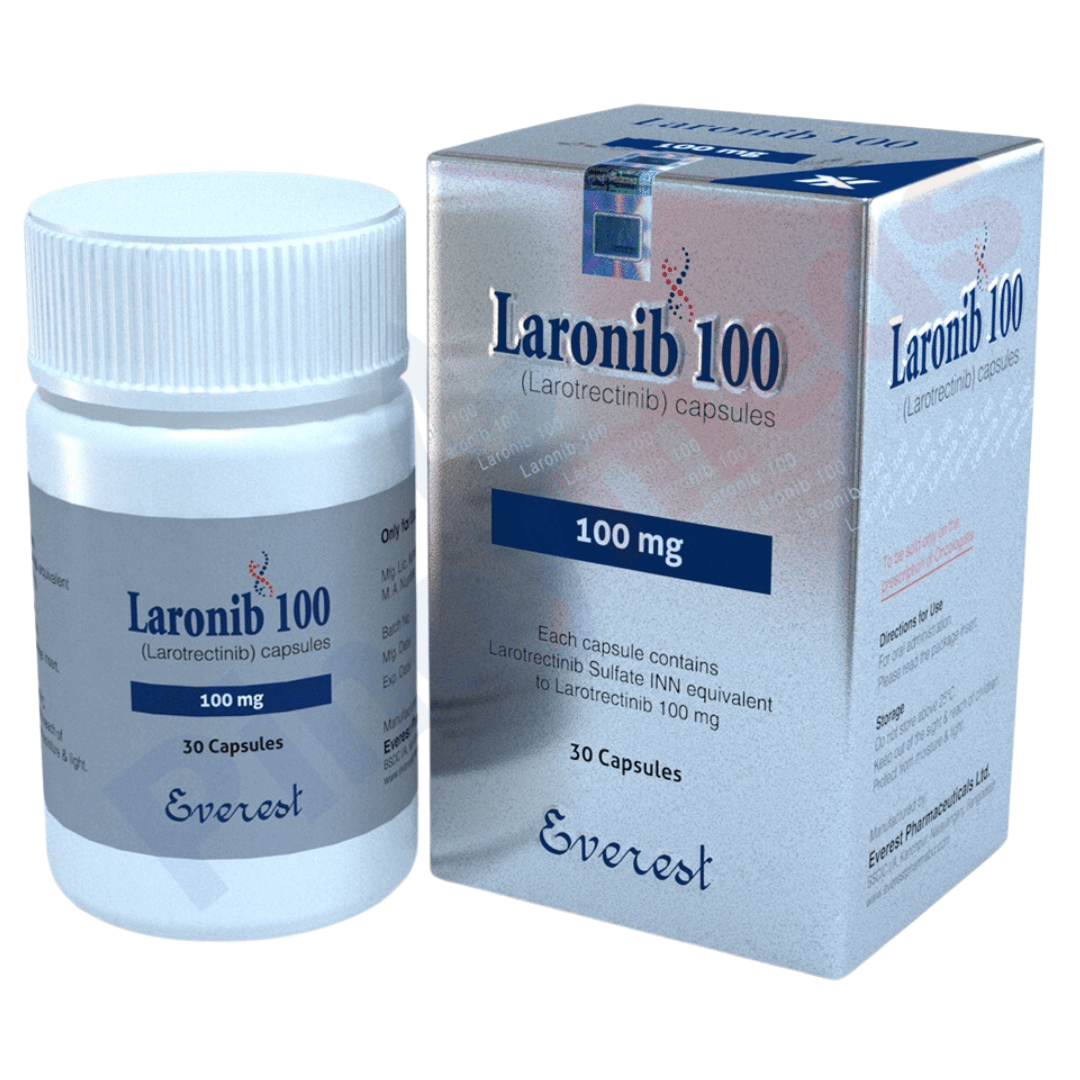
Laronib Larotrectinib 100 mg Capsule
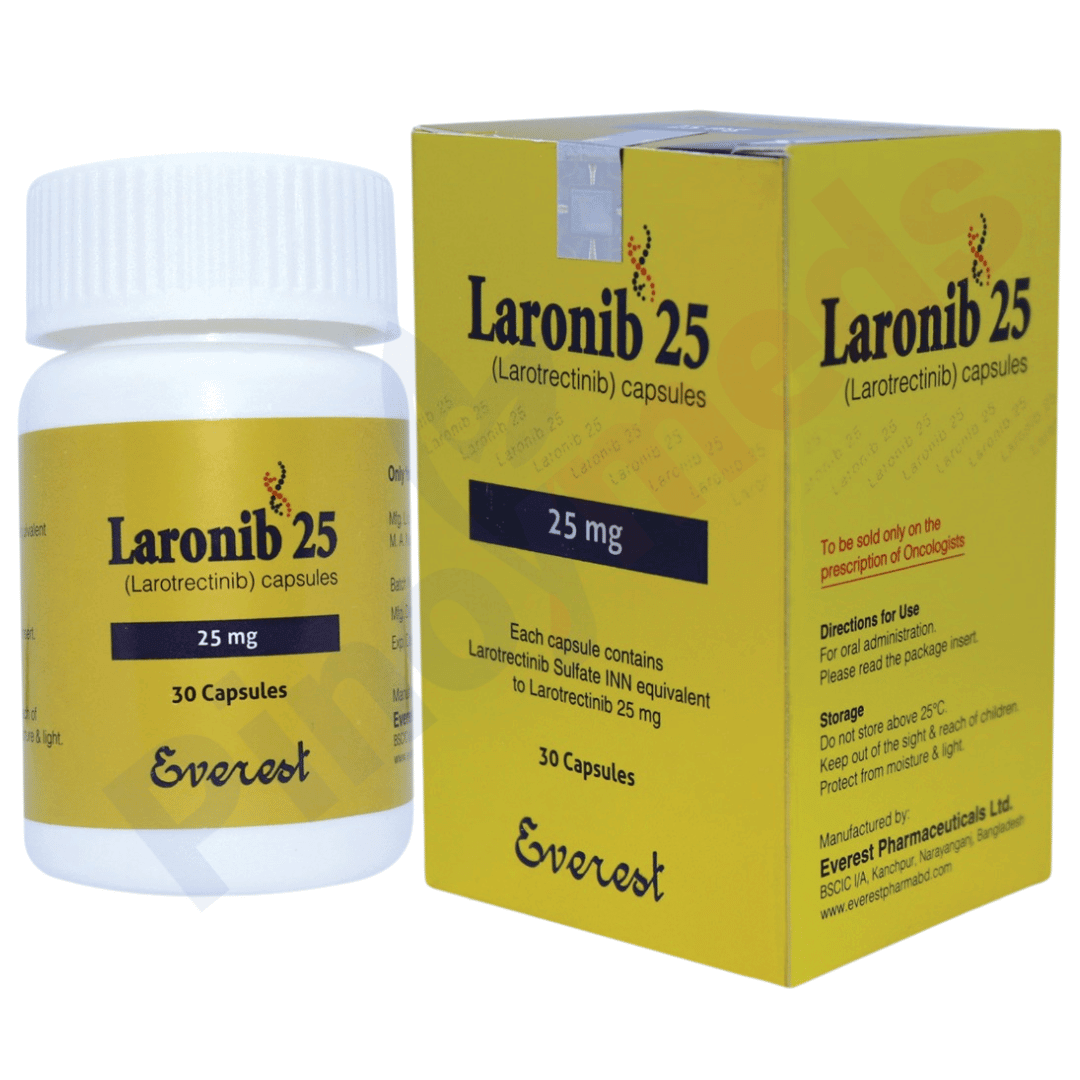
Laronib Larotrectinib 25 mg Capsule
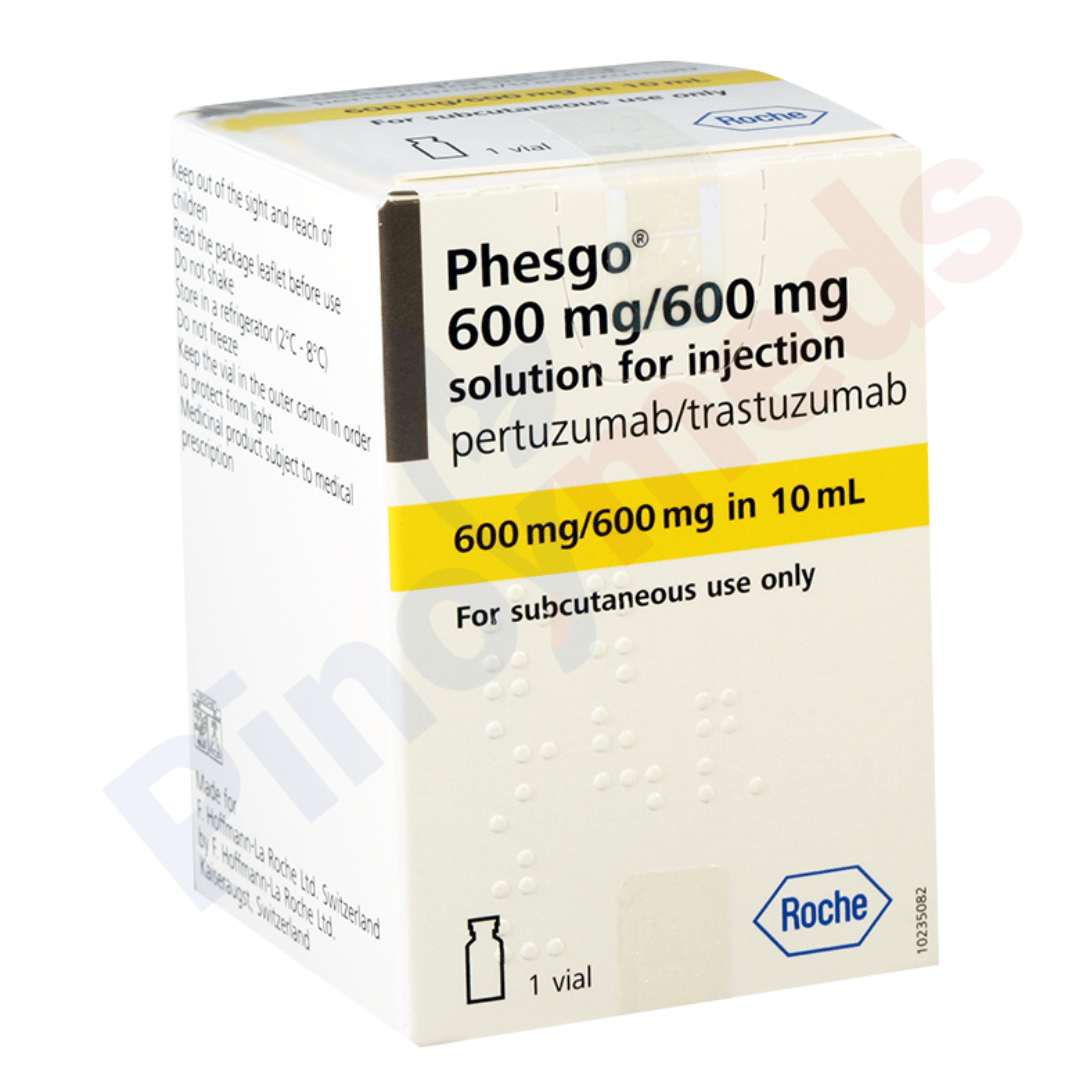
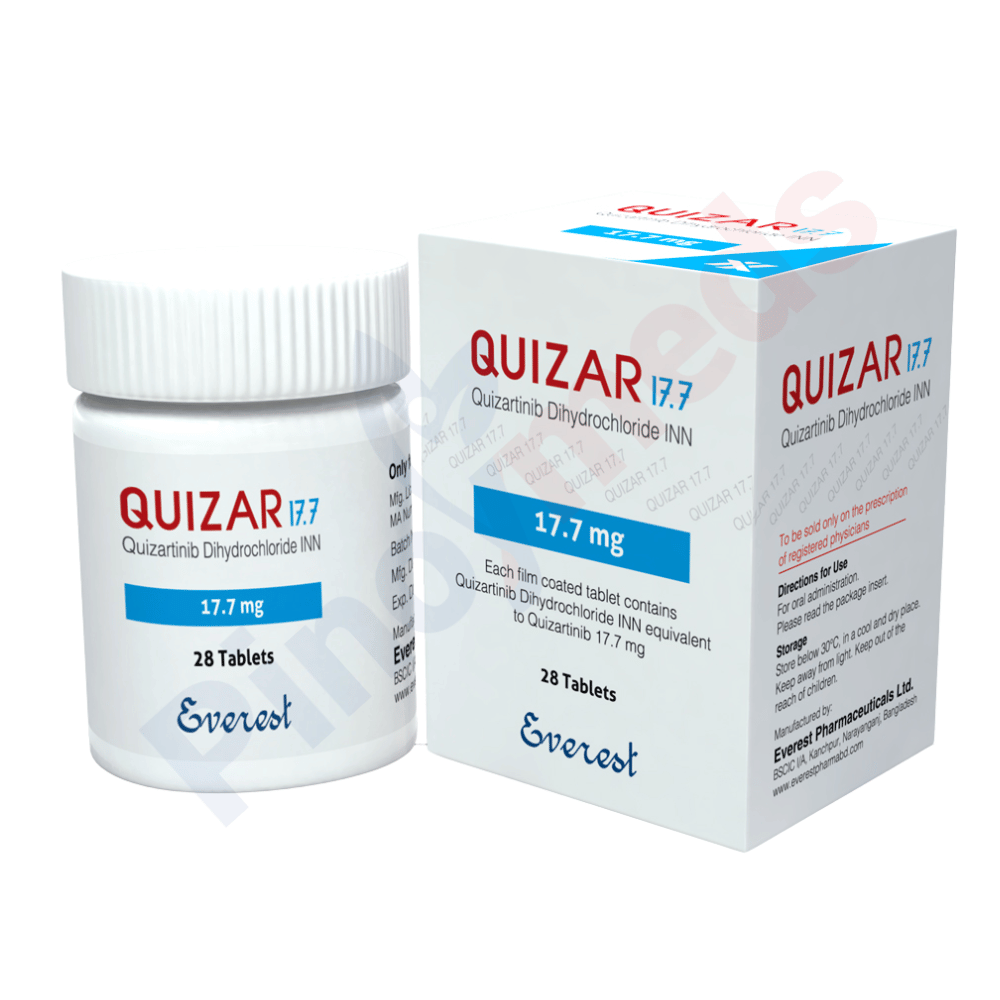
FAQs
Chemotherapy is a treatment that uses drugs to kill or slow the growth of cancer cells.
It targets rapidly dividing cells, including cancer cells, by interfering with their ability to grow and multiply.
Preventive chemotherapy, also known as adjuvant chemotherapy, is given after surgery or radiation to eliminate remaining cancer cells and prevent recurrence.
It attacks cancer cells, shrinks tumors, prevents cancer from spreading, and can relieve symptoms in advanced cancer cases.
It can be given orally (pills), intravenously (IV), as injections, topically (on the skin), or directly into affected areas like the spinal fluid.
Treatment duration varies but is typically given in cycles over weeks or months, allowing time for the body to recover between sessions.
Yes, many chemotherapy drugs cause hair loss because they target fast-growing cells, including hair follicles.
The treatment itself is not usually painful, but side effects such as nausea, fatigue, and neuropathy can cause discomfort.
No, tamoxifen is a hormone therapy, not chemotherapy. It blocks estrogen to slow the growth of hormone-sensitive cancers like breast cancer.
Chemotherapy was developed in the 1940s after mustard gas research during World War II revealed its effects on cancer cells.
It targets all rapidly dividing cells, including hair follicles, which leads to hair thinning or complete hair loss.
Common side effects include fatigue, nausea, vomiting, hair loss, weakened immunity, mouth sores, and nerve damage.
Chemotherapy drugs can be excreted in urine, stool, and bodily fluids, potentially exposing others to harmful chemicals. Flushing twice and cleaning surfaces reduces risk.
Survival rates vary depending on the type and stage of cancer being treated. Chemotherapy improves survival chances but is often used alongside other treatments.
Recovery time varies, but most side effects improve within weeks to months. Full recovery of the immune system and energy levels may take up to a year.
The first or second week of a chemotherapy cycle is often the hardest due to peak side effects like nausea, fatigue, and immune suppression.
Fatigue is one of the most common and long-lasting side effects, along with nausea, hair loss, and weakened immunity.
Raw fruits may carry bacteria that can be harmful to people with weakened immune systems due to chemotherapy. Washing and peeling fruits can reduce risks.
This refers to the time when white blood cell counts are lowest (usually 7–10 days after chemo), making patients more vulnerable to infections.
Some chemotherapy drugs cause cold sensitivity, leading to pain or discomfort in the throat and hands when consuming cold drinks.
“Chemo belly” refers to bloating, gas, or digestive discomfort caused by chemotherapy affecting gut bacteria and slowing digestion.