



Breast Cancer
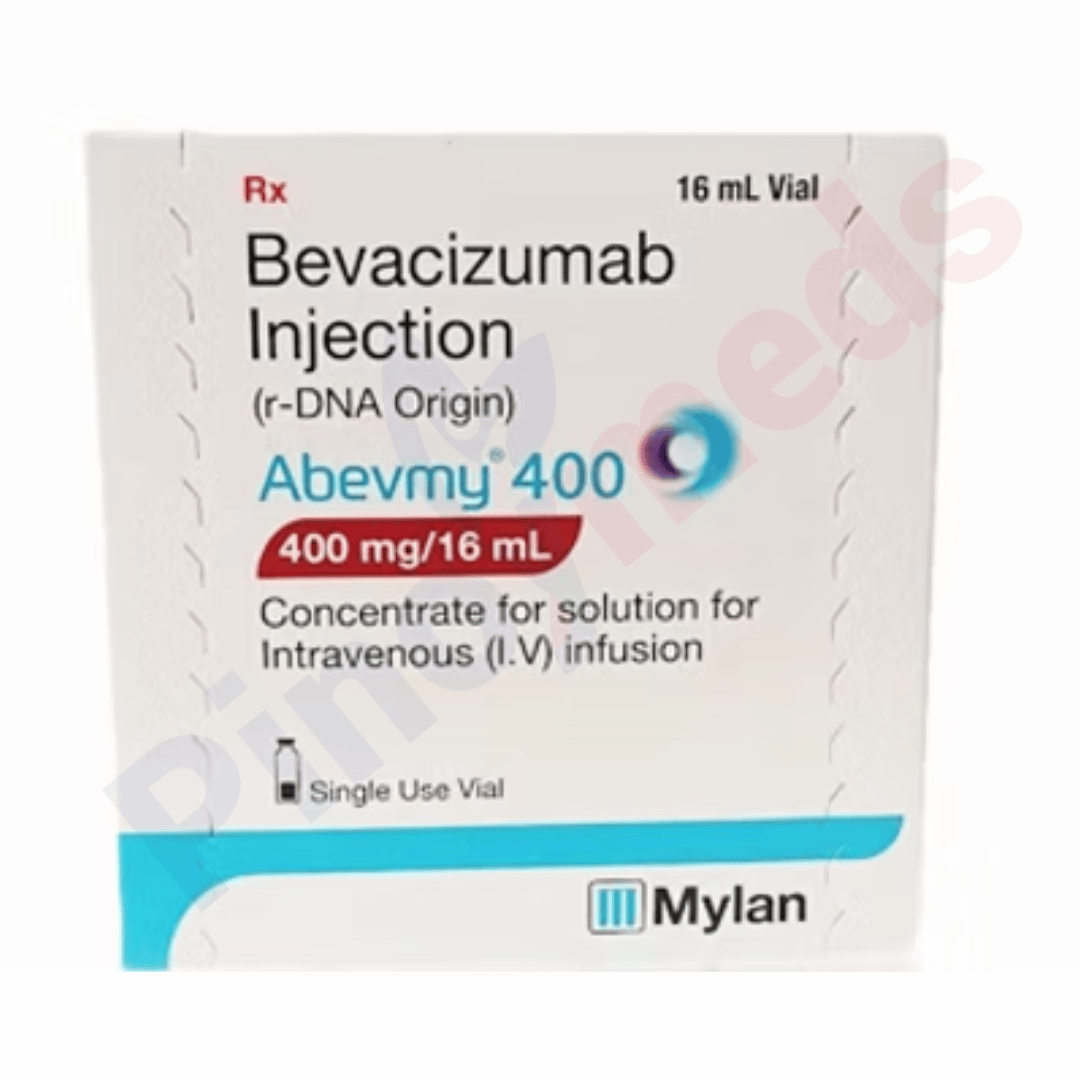


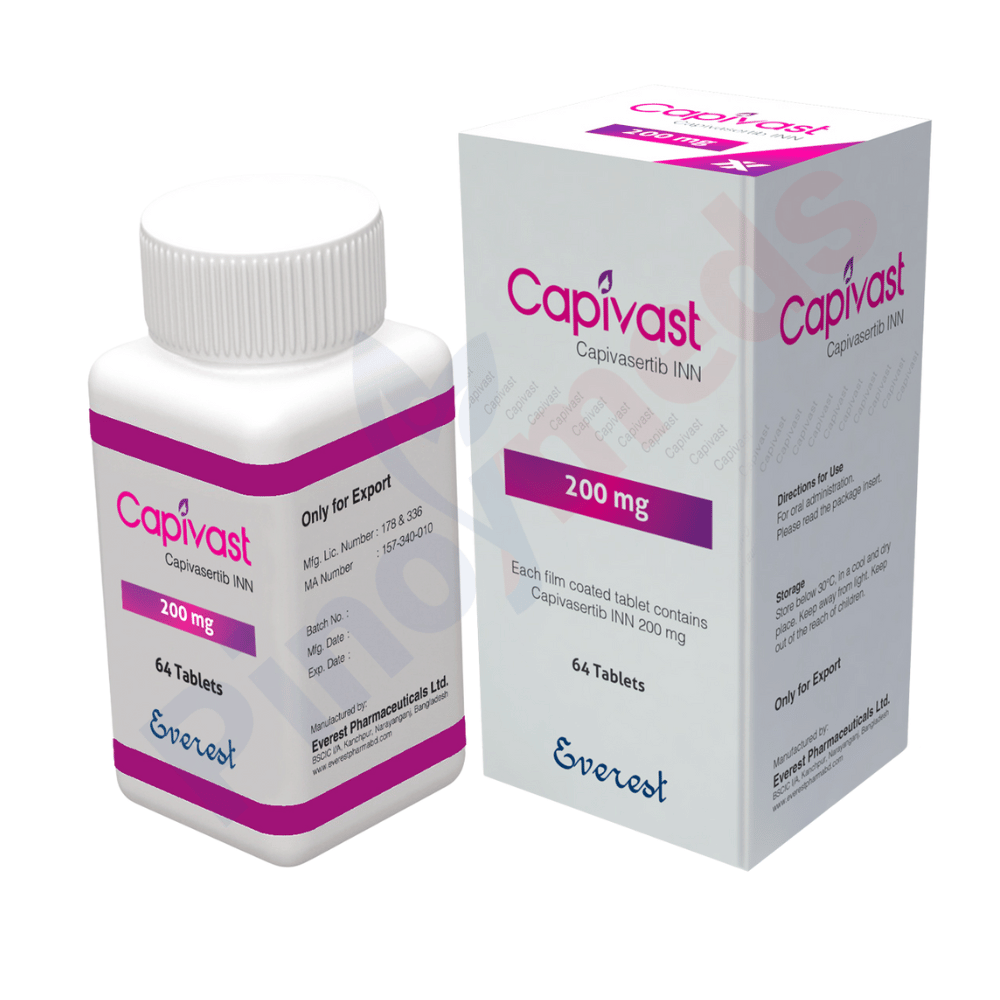

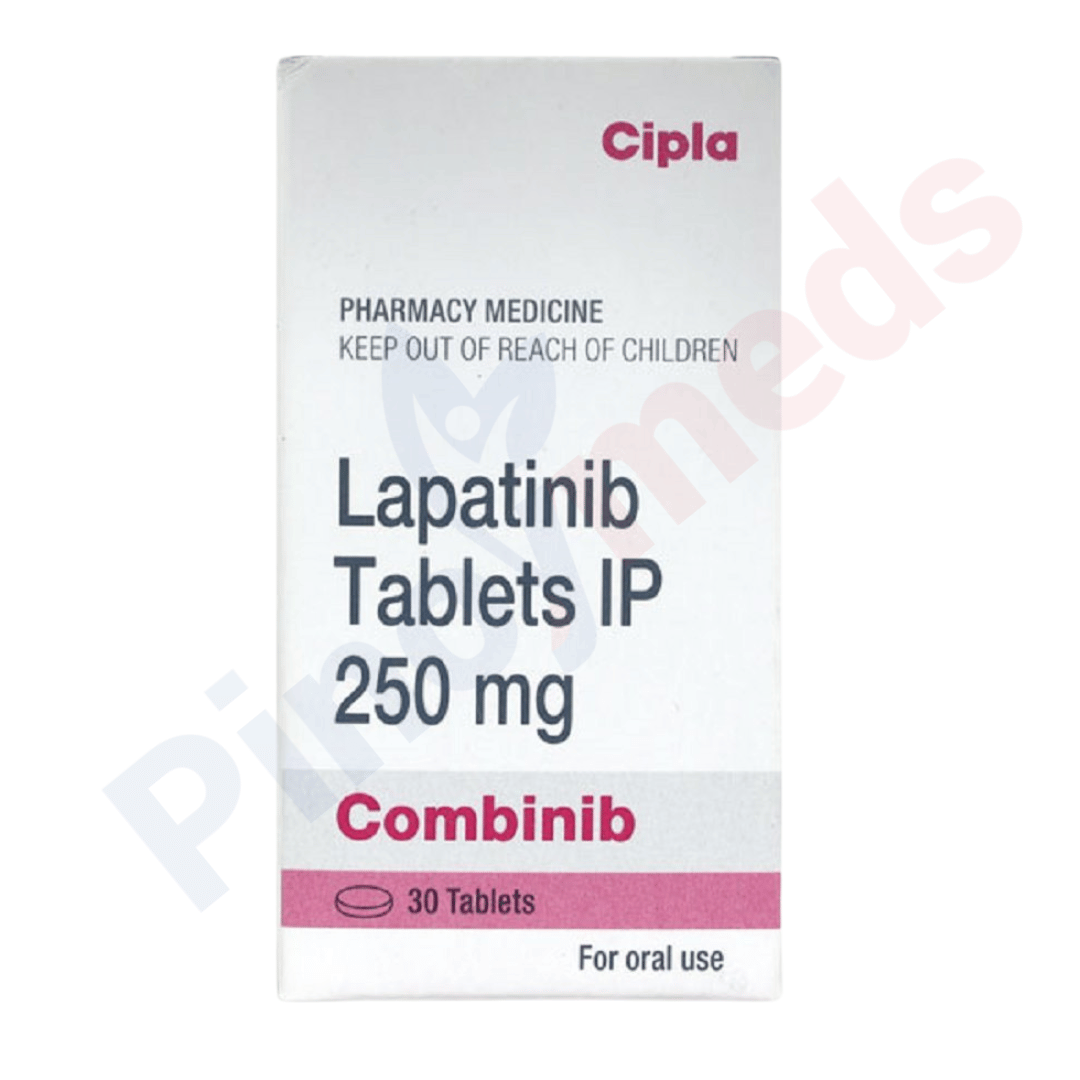
Combinib Lapatinib 250 mg Tablet

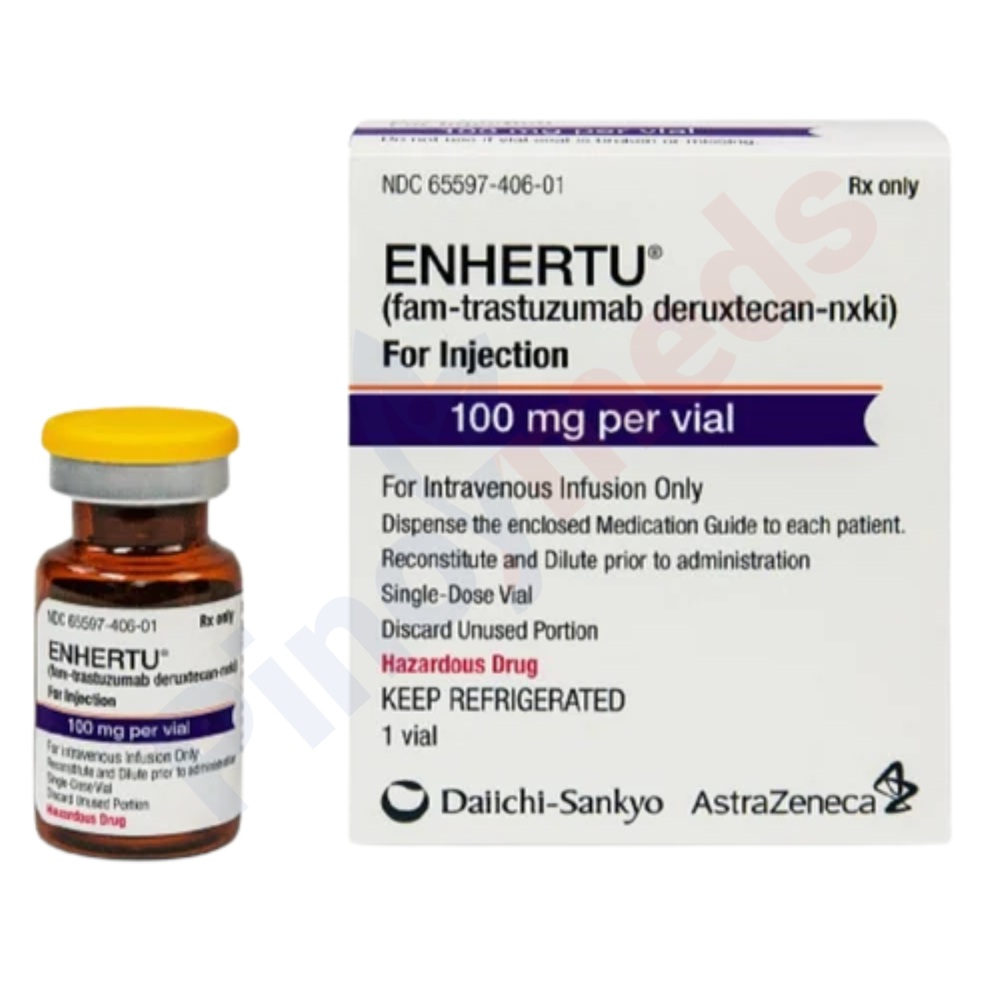
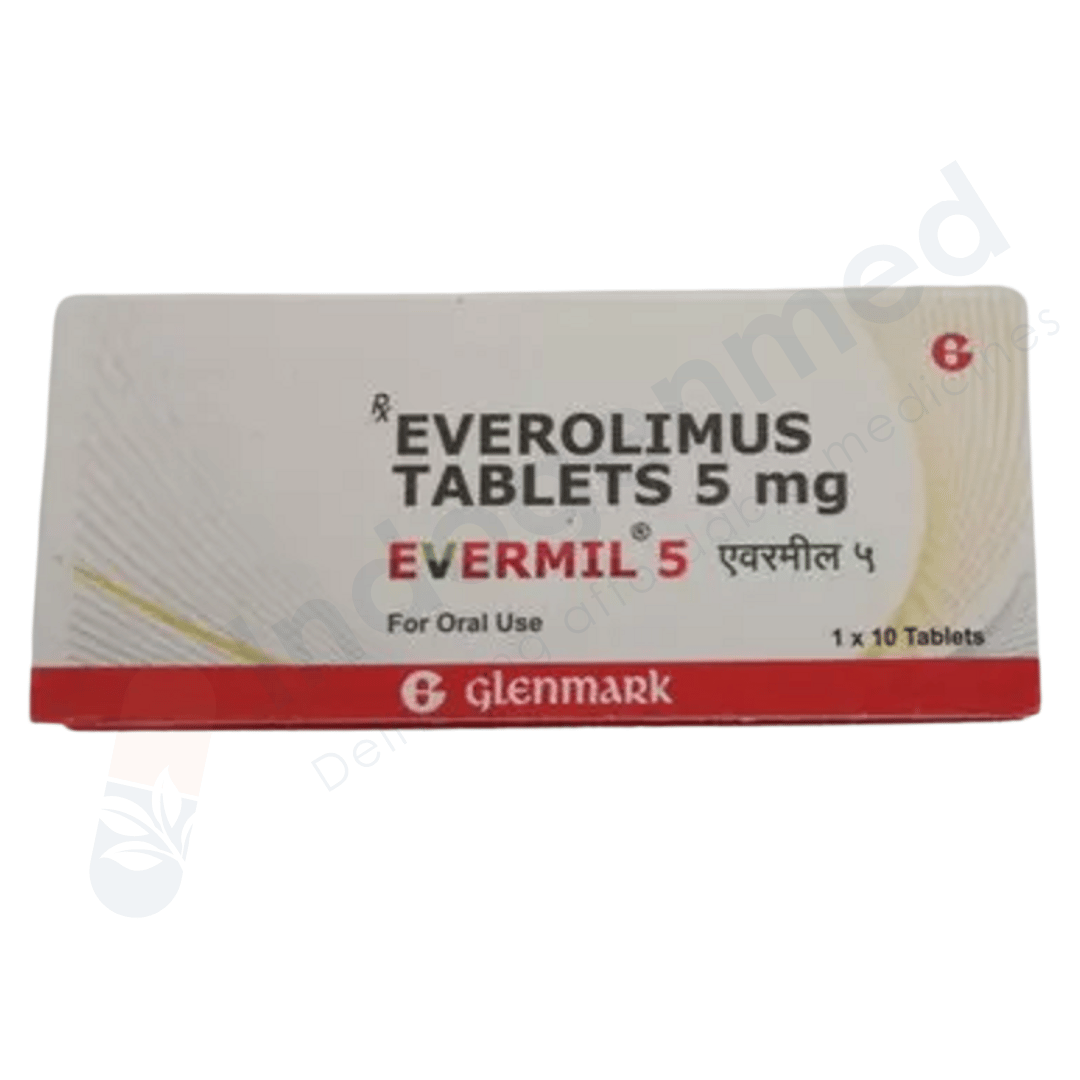
Evermil Everolimus 5 mg Tablet

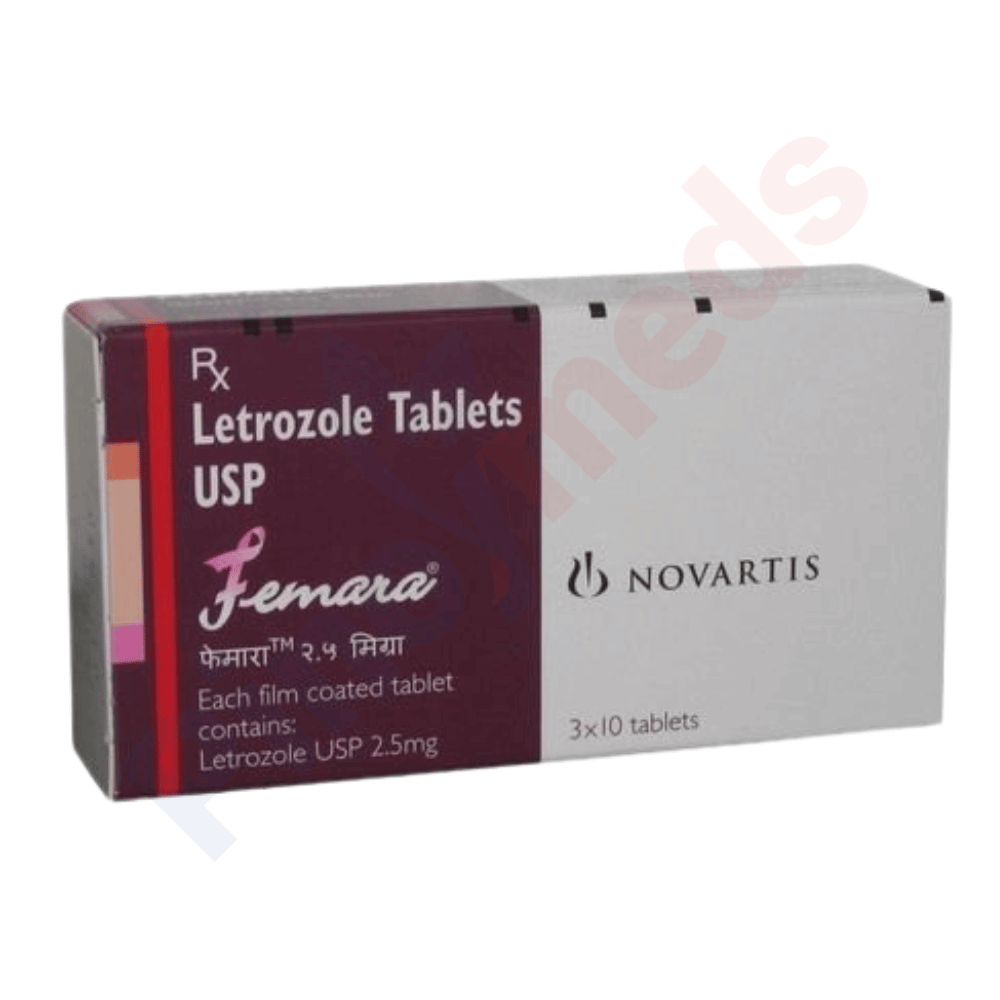

Femistra Anastrozole 1 mg Tablet

Fempro Letrozole 2.5 mg Tablet
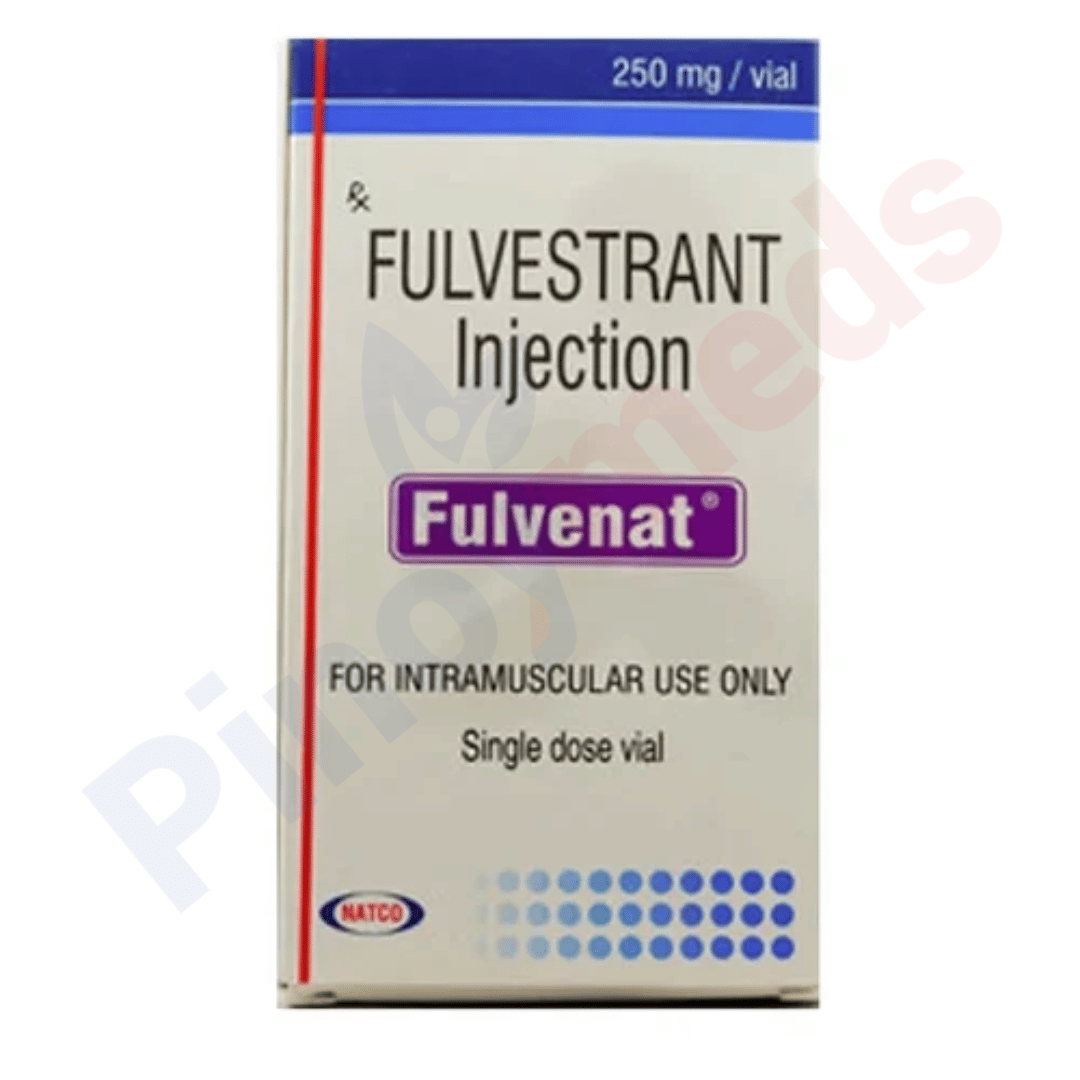
Fulvenat Fulvestrant 250 mg Injection
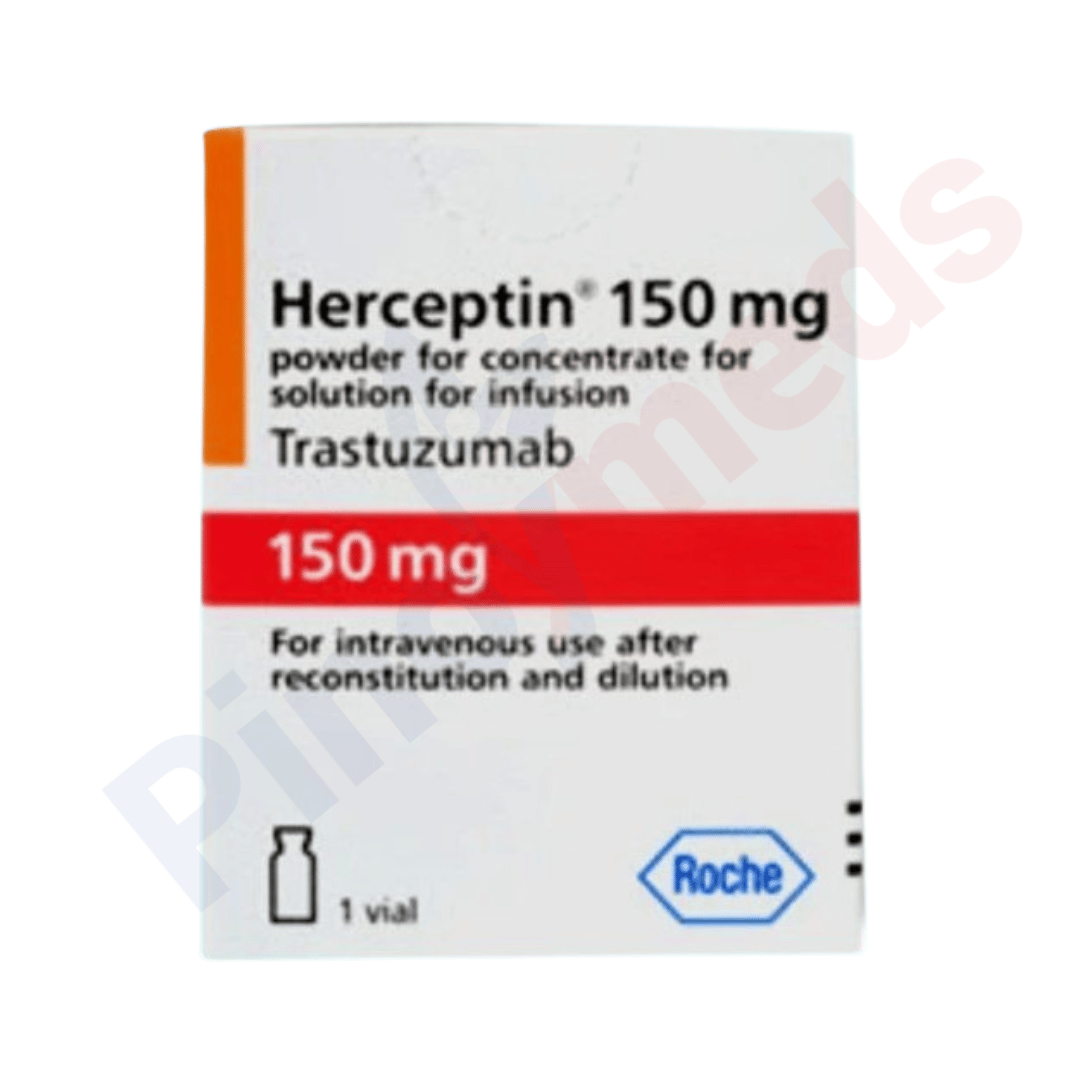
Herceptin Trastuzumab 150 mg Vial

Herduo Lapatinib 250 mg Tablet

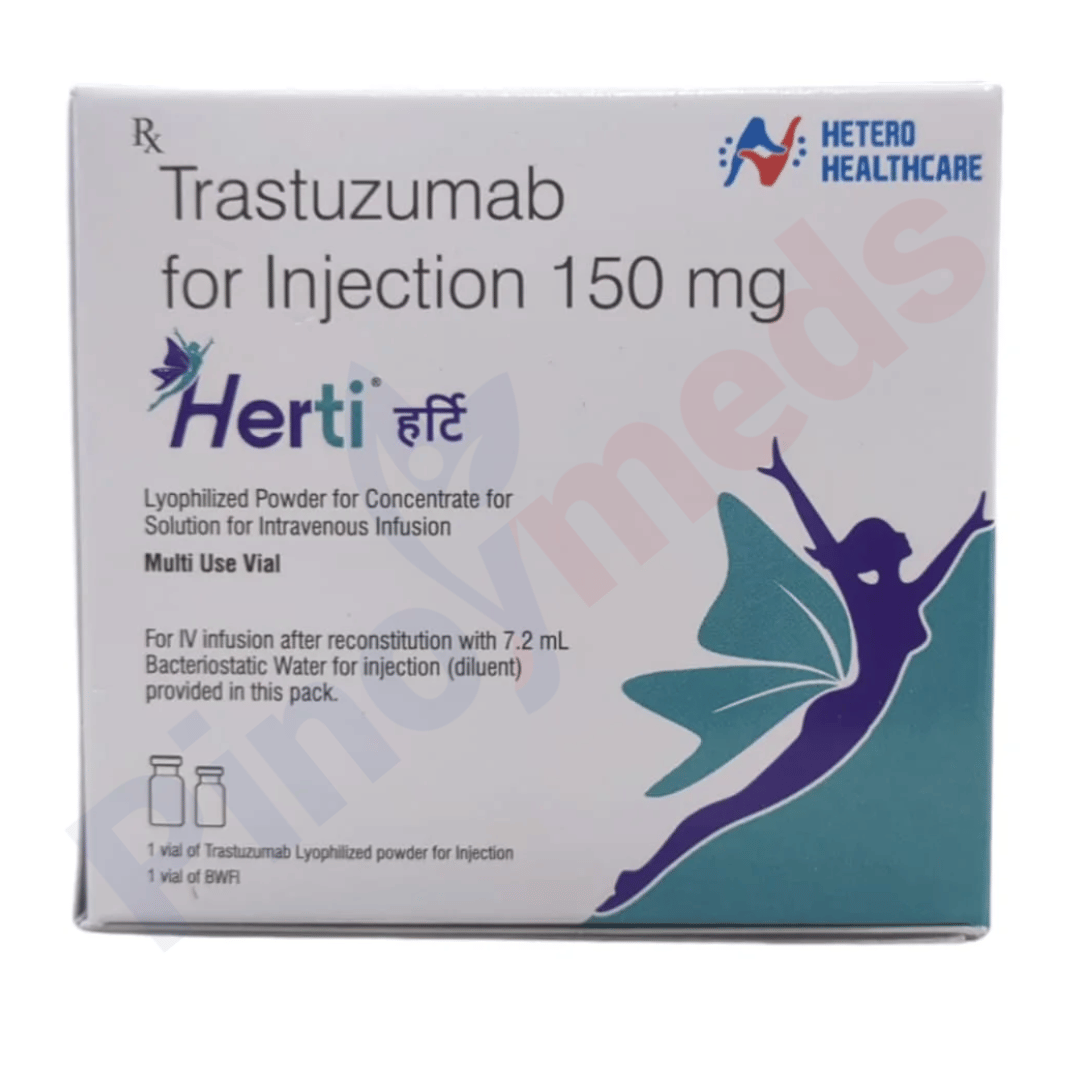
Herti Trastuzumab 150 mg Injection
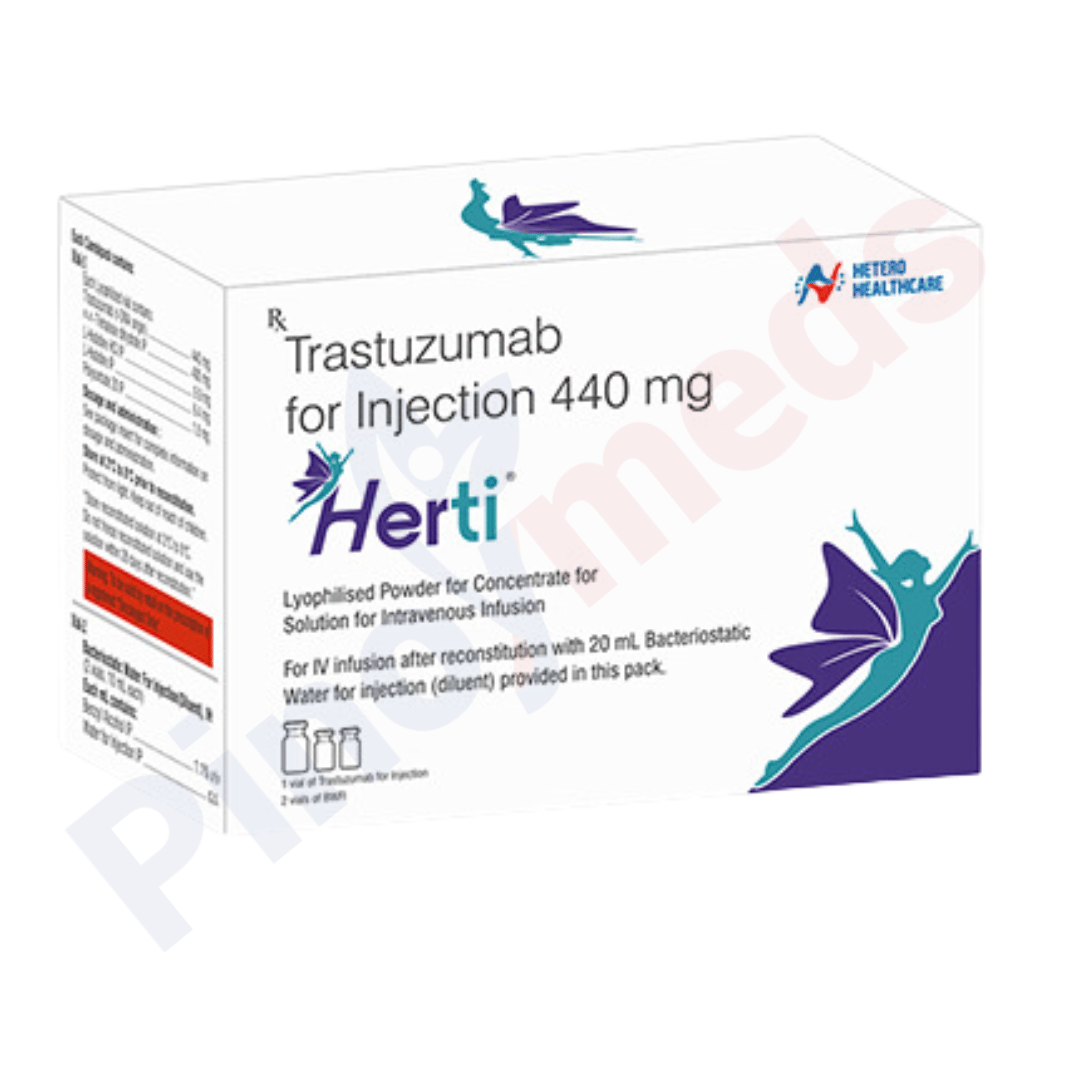
Herti Trastuzumab 440 mg Injection
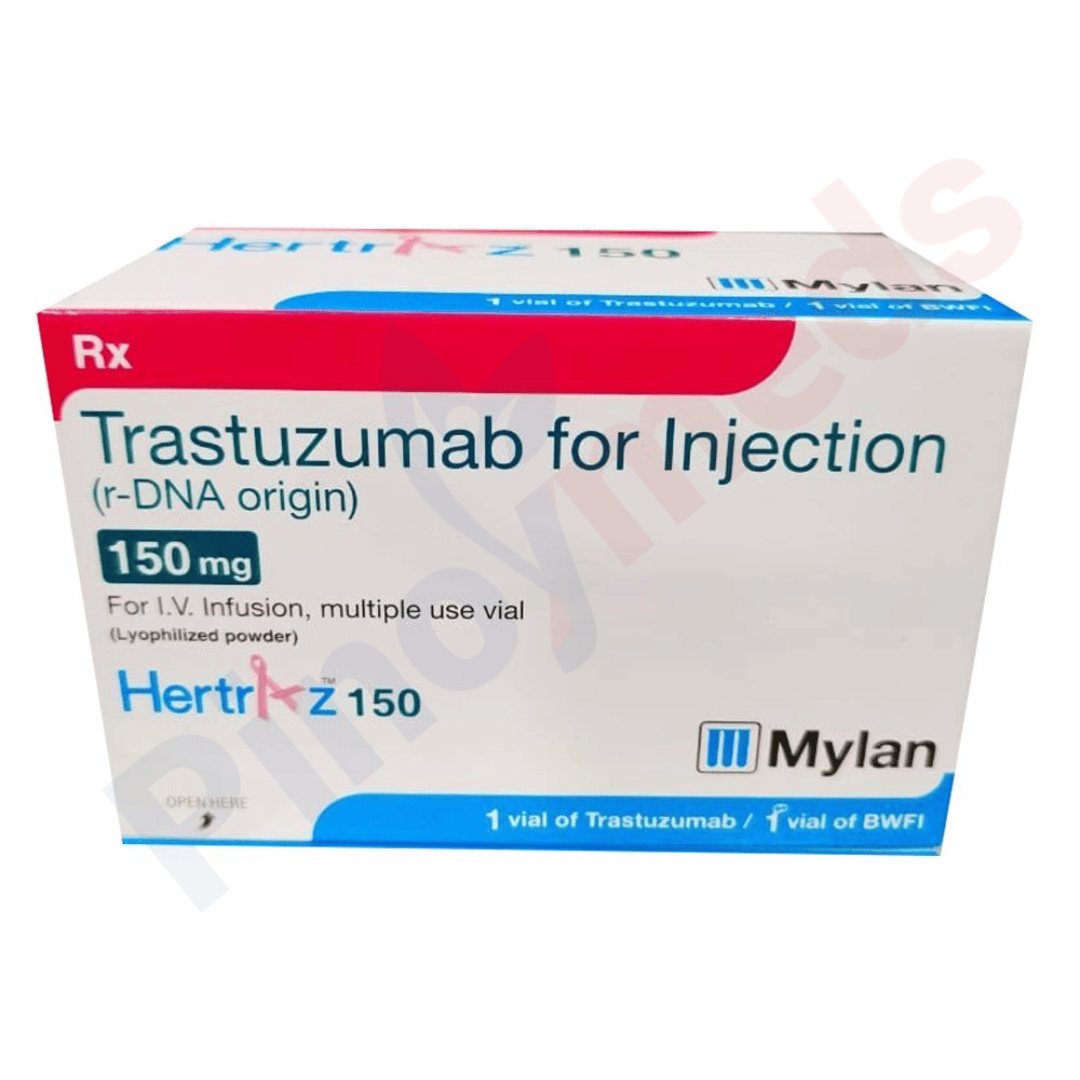
Hertraz Trastuzumab 150 mg Vial
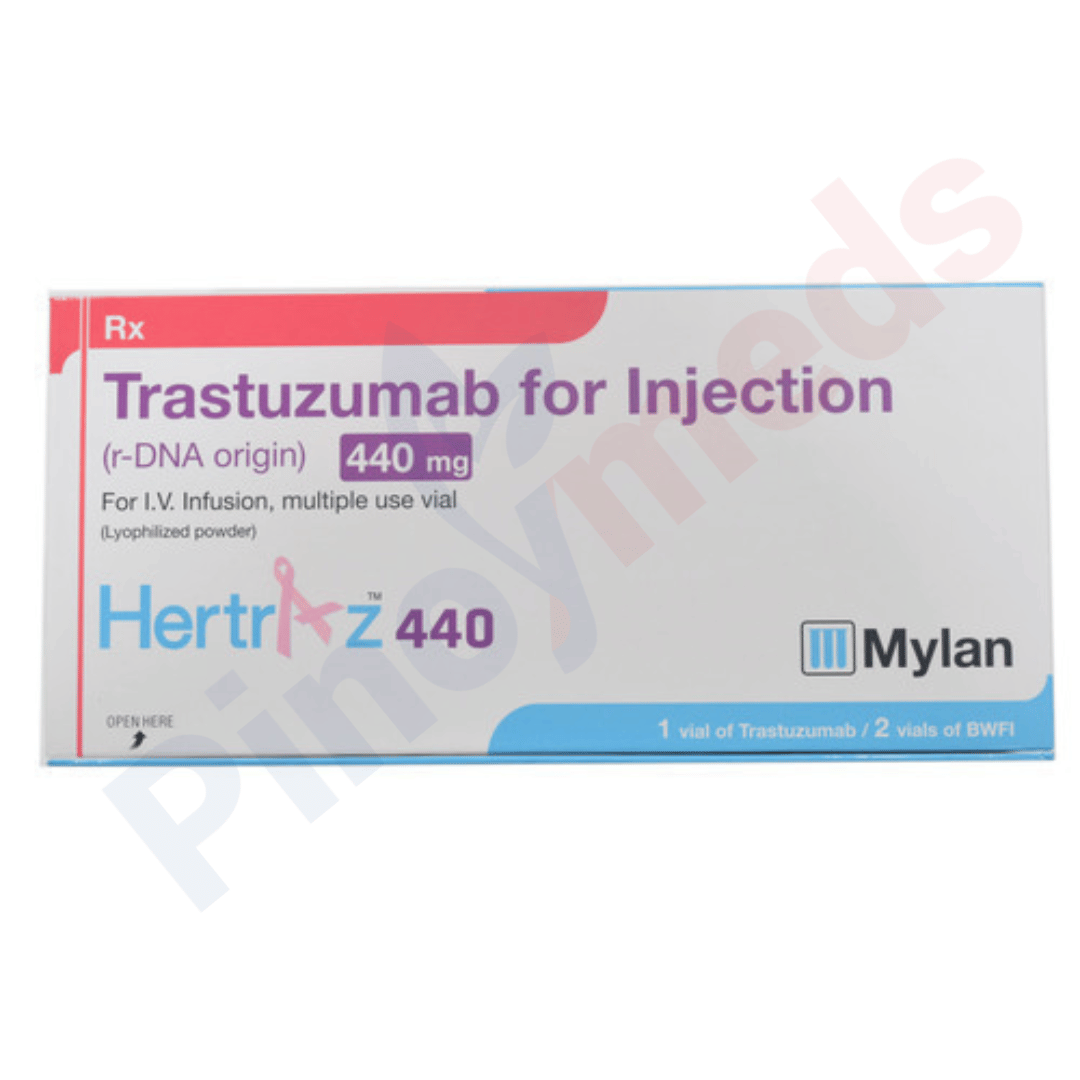
Hertraz Trastuzumab 440 mg Vial
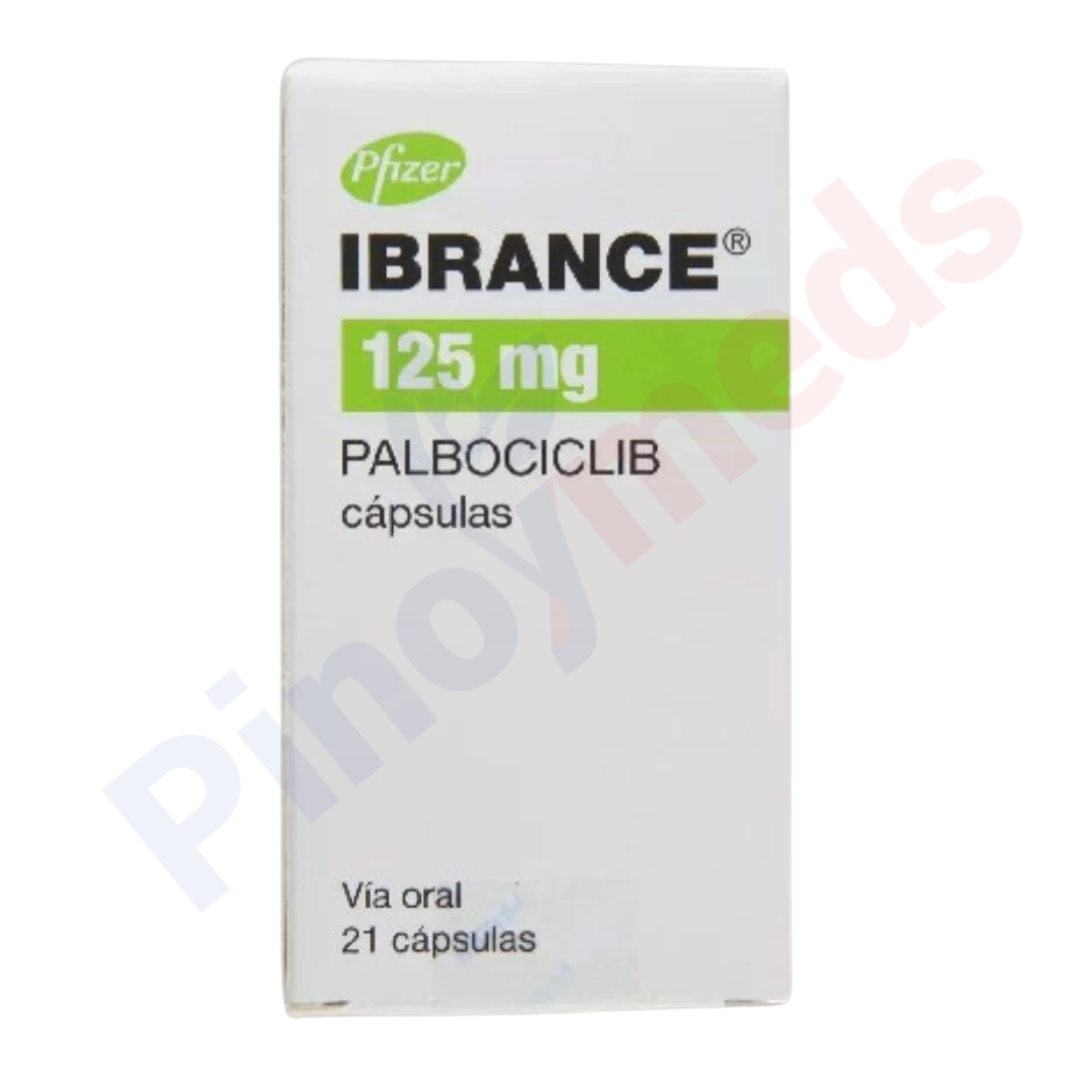
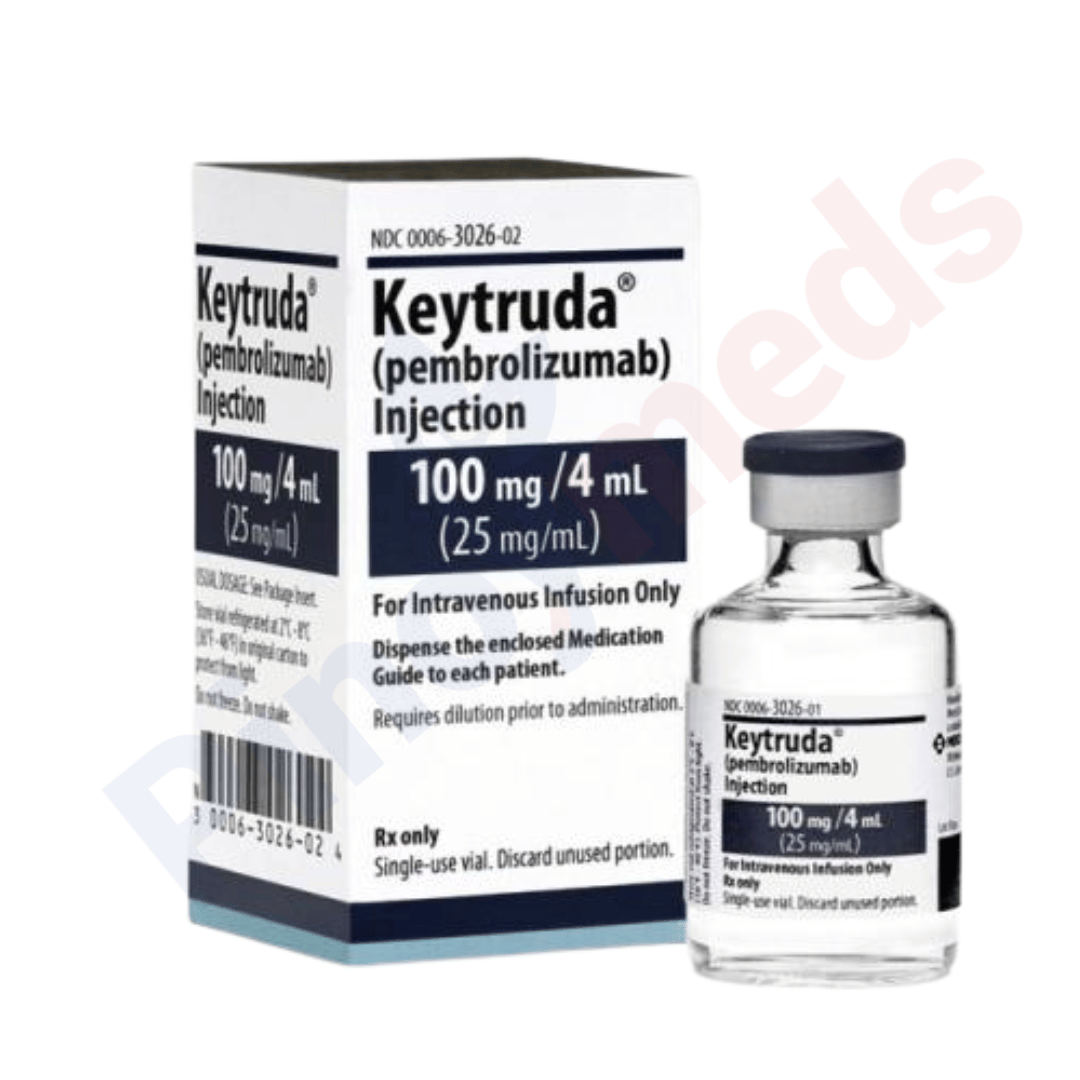
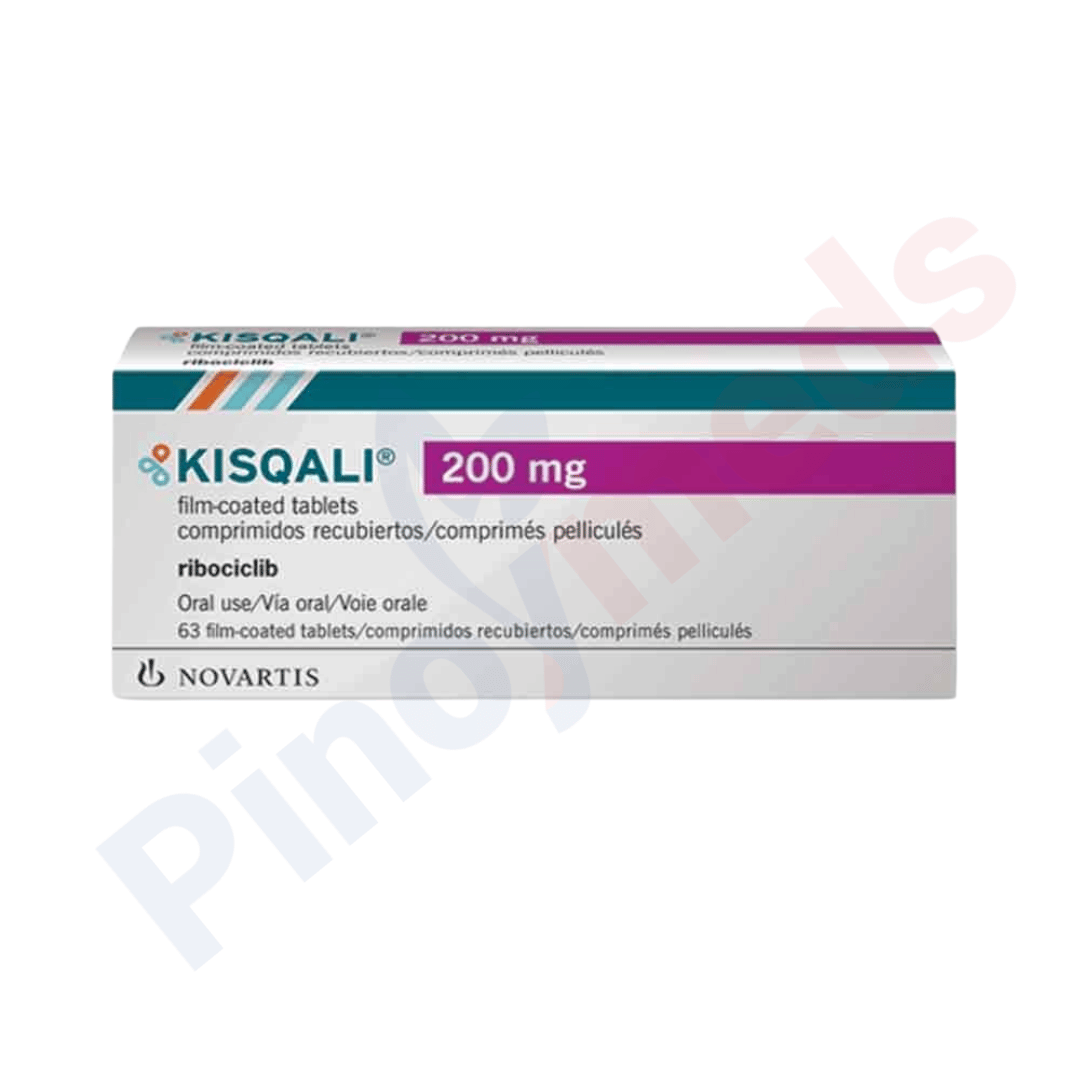
Kisqali Ribociclib 200 mg Tablet

Letrafem Letrozole 2.5 mg Tablet
FAQs
Breast cancer is a disease where abnormal cells in the breast grow uncontrollably, forming a tumor that can spread to other parts of the body.
Breast cancer is mainly caused by genetic mutations, hormonal imbalances, family history, and lifestyle factors like poor diet, obesity, and smoking.
A person with breast cancer may experience lumps in the breast, pain, swelling, fatigue, and emotional stress. If untreated, cancer may spread to other organs.
Yes, men can get breast cancer, though it is rare. It usually occurs due to hormonal imbalances or genetic factors.
Breast cancer may cause a lump, skin dimpling, nipple changes, redness, or swelling in the breast. However, imaging tests are needed for diagnosis.
Stage 4 cancer is serious but not always fatal. Some patients respond well to treatment and live for years with proper care and management.
Stage 1 breast cancer is an early-stage tumor, usually small and confined to the breast. It has a high survival rate with timely treatment.
Breast cancer in unmarried girls can be caused by genetic mutations, hormonal imbalances, lifestyle factors, obesity, and radiation exposure.
One often ignored cause is prolonged exposure to estrogen, which can result from late pregnancies, lack of breastfeeding, or hormone therapy.
You can reduce your risk by maintaining a healthy weight, exercising, avoiding alcohol, eating a balanced diet, and getting regular screenings.
Life expectancy depends on the stage of diagnosis and treatment response. Early-stage breast cancer has a high survival rate, while later stages vary.
Breast cancer can develop for years without symptoms. Some slow-growing cancers may go unnoticed for 5 to 10 years before detection.
Untreated breast cancer can spread to the bones, lungs, liver, and brain, leading to life-threatening complications.
Yes, Stage 1 breast cancer is highly curable with early treatment, including surgery, radiation, and sometimes hormone therapy.
The most common symptom is a lump in the breast or underarm that doesn’t go away. Other signs include nipple discharge, skin changes, and pain.
Yes, some people may have Stage 4 cancer without obvious symptoms, especially if the cancer spreads silently to other organs before detection.
Breast Cancer Awareness Month is observed every October to raise awareness and promote early detection.
Triple-negative breast cancer is an aggressive type that lacks estrogen, progesterone, and HER2 receptors, making treatment options more limited.
A breast cancer lump is usually hard, irregularly shaped, painless, and does not move easily under the skin.
Itchy breasts are usually due to skin conditions or allergies, but in rare cases, it can be a sign of inflammatory breast cancer.
Breast cancer is one of the most common cancers worldwide, affecting 1 in 8 women during their lifetime.
Metastatic breast cancer is stage 4 cancer, where cancer has spread to other organs like the bones, liver, or lungs.
The pink ribbon symbolizes awareness, hope, and support for breast cancer patients and survivors.
Yes, regular physical activity can lower the risk of breast cancer by maintaining a healthy weight and balancing hormone levels.
Exercise improves energy levels, reduces stress, boosts immunity, and helps manage the side effects of treatment.
Inflammatory breast cancer symptoms include red, swollen, warm skin, breast pain, and a rash that may be mistaken for an infection.
Early-stage breast cancer is often curable with surgery, radiation, and medication. Advanced stages can be managed but may not be fully curable.
Yes, 5-10% of breast cancer cases are linked to inherited gene mutations, such as BRCA1 and BRCA2.
High-risk groups include women over 50, those with a family history, BRCA gene mutations, obesity, and long-term hormone therapy users.
Exposure to radiation, air pollution, pesticides, and endocrine-disrupting chemicals may increase breast cancer risk.
Risk factors include obesity, alcohol consumption, smoking, lack of exercise, and poor diet.
Symptoms include a lump, nipple discharge, breast pain, skin changes, and swelling. A mammogram and biopsy confirm the diagnosis.
Most breast cancer lumps do not cause pain, but some may feel tender or sore.
The four main types are ductal carcinoma in situ (DCIS), invasive ductal carcinoma, invasive lobular carcinoma, and triple-negative breast cancer.
The exact cause is unknown, but it is linked to genetic mutations, the BRCA1 gene, and African or Hispanic ethnicity.
Breast cancer is common due to hormonal changes, genetics, aging, and modern lifestyle factors like obesity and delayed childbirth.
Reduce risk by maintaining a healthy weight, exercising, avoiding alcohol and smoking, and having regular screenings.
Breast cancer begins when abnormal cells in the breast grow uncontrollably and form a tumor. These cells may invade surrounding tissue or spread to other parts of the body.
No, a negative screening test means no cancer was detected at that moment, but it doesn’t eliminate the risk. Regular screenings and self-exams are important as cancer can develop between tests.
Breast cancer growth varies. Some cancers grow slowly, while others, especially aggressive types like triple-negative, can grow rapidly and spread quickly. Early detection is key.
No, there is no scientific evidence linking deodorants or antiperspirants to breast cancer. Research has not found any conclusive connection between these products and the disease.
Triple-negative breast cancer is considered the most aggressive type. It lacks receptors for estrogen, progesterone, and HER2, making it harder to treat and more likely to spread quickly.
While you can perform regular self-breast exams to check for lumps or changes, a professional screening like mammograms or ultrasounds is necessary for accurate detection. Always consult a doctor for proper evaluation.