Back to products
Cenforce 1000mg
Cenforce 100 mg Tablet Original price was: ₱ 3,000.00.Current price is: ₱ 2,550.00.

Written by:
Dr. Sophie Reynolds

Dr. Sophie Reynolds is a board-certified medical doctor specializing in internal medicine. With over a decade of experience in patient care and medical writing

Bernila Santos

Reviewed by:
Bernila Santos

Bernila Santos is a licensed pharmacist specializing in clinical pharmacy, drug safety, and pharmaceutical content review. With over a decade of experience in pharmacology, medication management, and regulatory compliance, she is committed to ensuring patients receive accurate and safe medical information. Ms. Santos has worked in hospital pharmacies, pharmaceutical research, and regulatory affairs.
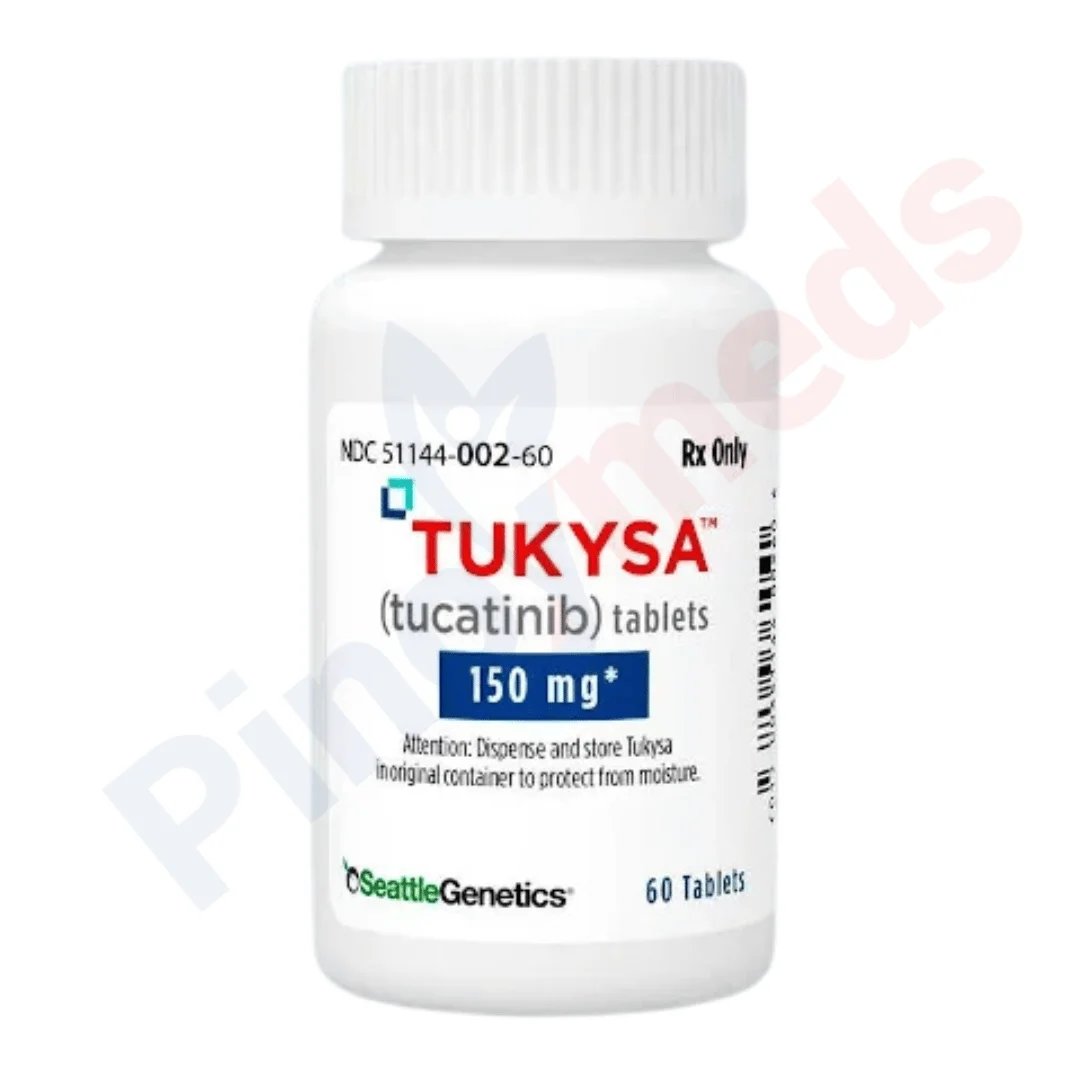
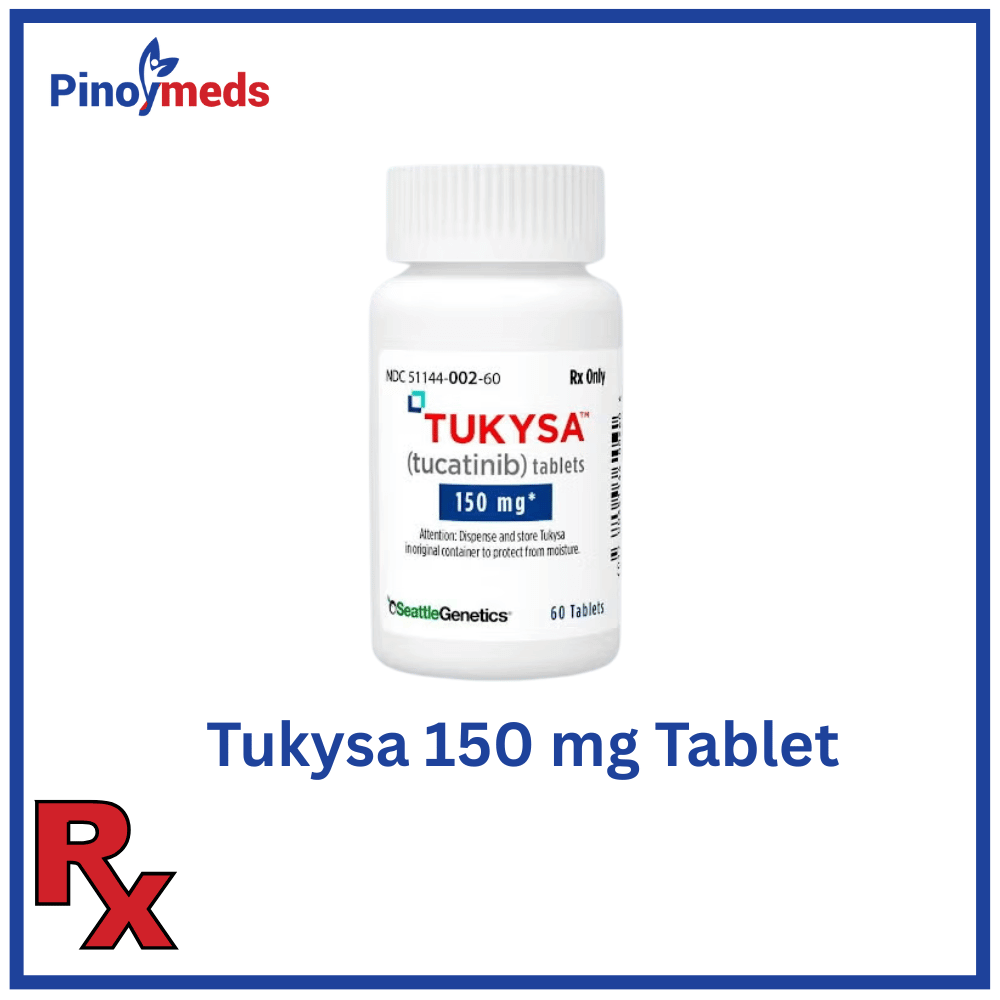
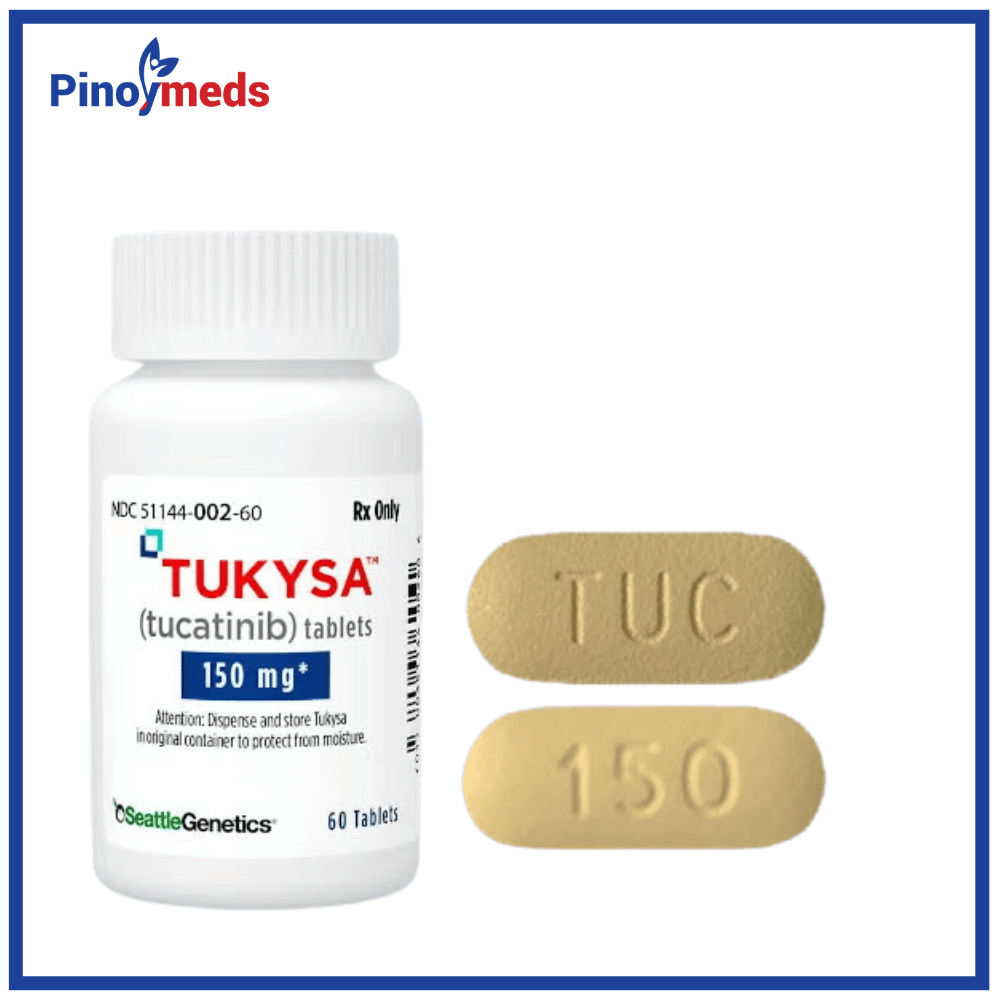
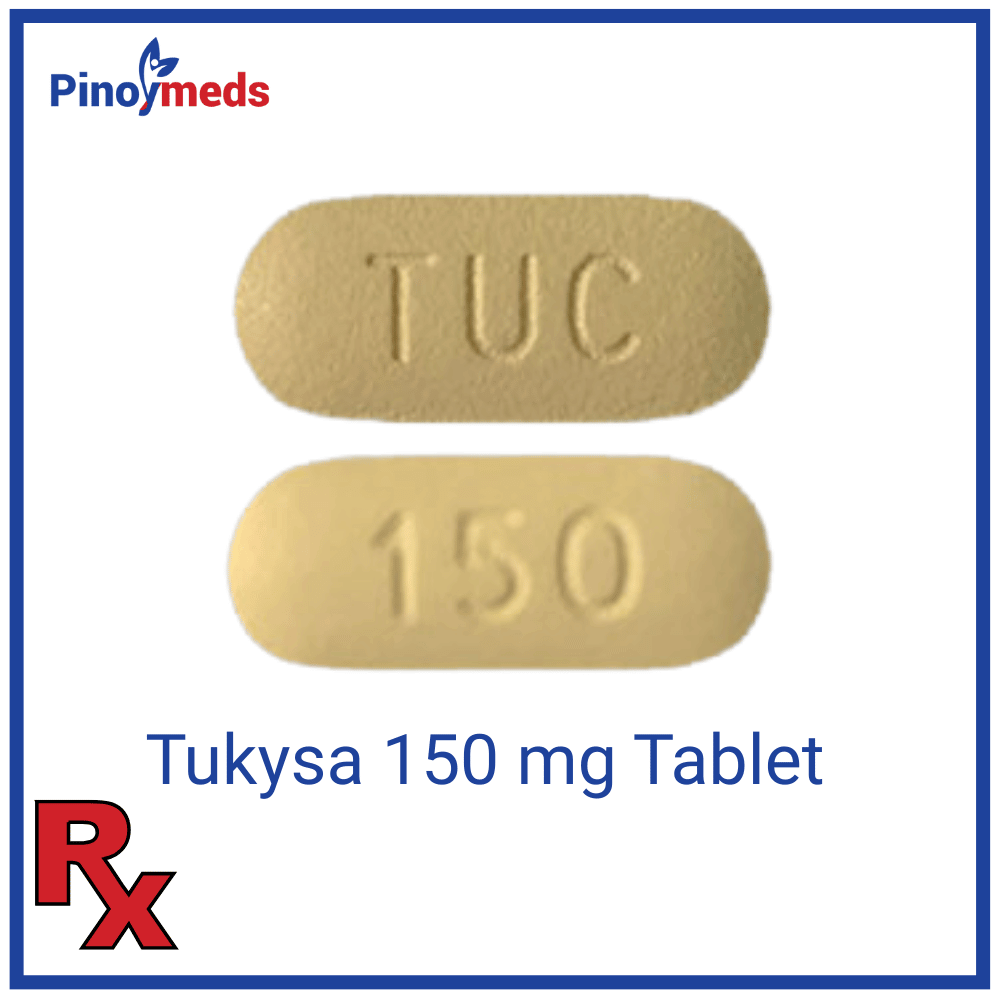
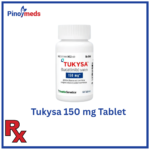
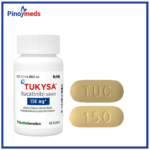
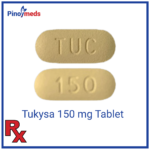
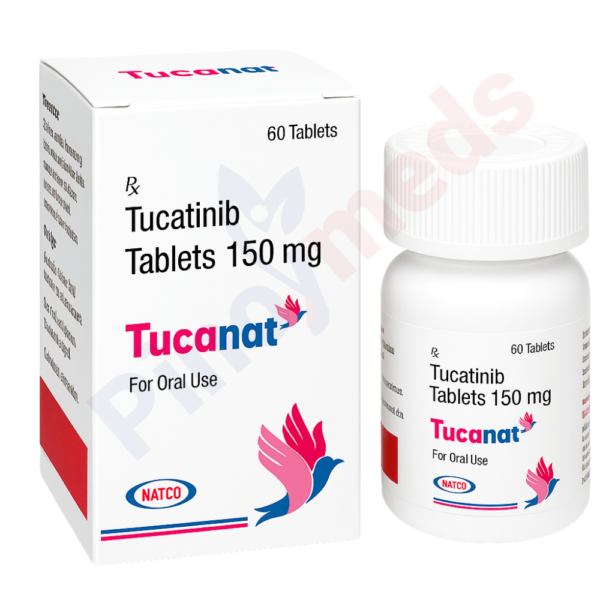
Tukysa 150 mg Tablet

Prescription Required

Brand Name:

Tukysa

Molecule:

Tucatinib

Strength:

150 mg

Quantity:

60 Tablet

Form:

Tablet

Packaging Type:

Bottle

Manufacturer/Marketed By:

Seagen

Country of Origin:

USA

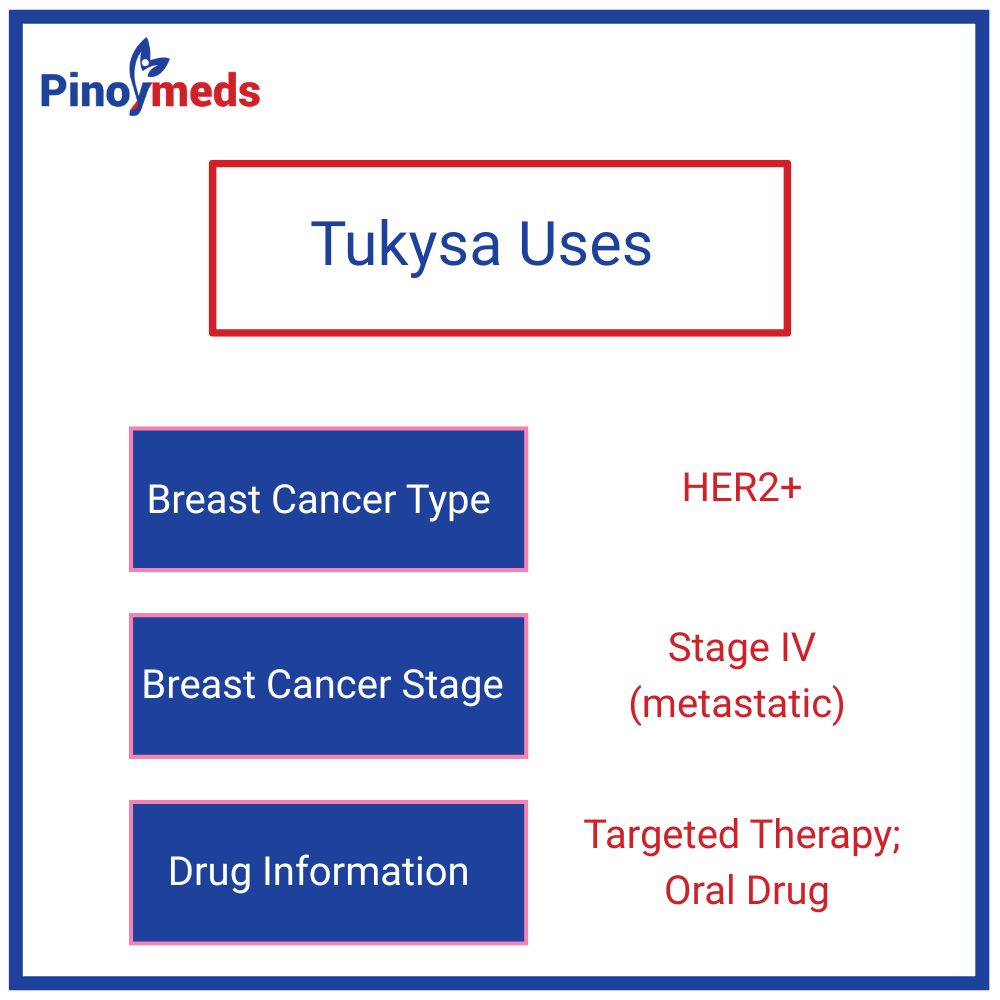
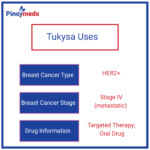
TUKYSA® (tucatinib) is an FDA-approved oral medication used to treat adults with certain types of HER2-positive metastatic breast cancer and HER2-positive, RAS wild-type metastatic colorectal cancer. It is a tyrosine kinase inhibitor (TKI) that targets HER2 protein signaling inside cancer cells, offering patients a well-tolerated and effective non-chemotherapy option — including those with brain metastases.

Out of stock

Description

TUKYSA® (tucatinib) – a groundbreaking solution in the fight against advanced unresectable or metastatic HER2-positive breast cancer and HER2-positive, RAS wild-type colorectal cancer. Available in the form of 150mg tablets, TUKYSA is a first-in-class oral tyrosine kinase inhibitor for adults with advanced unresectable or metastatic HER2-positive breast cancer or HER2-positive, RAS wild-type colorectal cancer. This medicine is taken in combination with trastuzumab for RAS wild-type colorectal cancer and with capecitabine for breast cancer patients. It is one of the few HER2 therapies proven to be effective in treating brain metastases, providing hope where other treatments may fall short. Clinical trials have showcased TUKYSA's ability to significantly improve overall survival and progression-free survival rates, even in heavily pretreated patient populations.

Benefits


  • Offers a more complete blockade of HER2 signaling when combined with trastuzumab.
  • Effective against brain metastases; shown to reduce disease progression risk significantly.
  • 52% reduction in progression or death in patients with brain metastases.
  • Improved overall survival even with active brain disease.
  •  Chemotherapy-free option for HER2-positive, RAS wild-type metastatic colorectal cancer, reducing severe side effects.
  • Demonstrated strong outcomes in breast and colorectal cancers:
  • Improved progression-free survival (PFS).
  • Increased overall survival (OS).
  • 38% of colorectal cancer patients experienced measurable tumor shrinkage in the MOUNTAINEER trial.

Indications and Usage

TUKYSA is indicated for use in combination with trastuzumab and capecitabine for the treatment of adult patients with:

  • Advanced unresectable or metastatic HER2-positive breast cancer, including patients with brain metastases, who have received one or more prior anti-HER2-based regimens in the metastatic setting.
  • RAS wild-type, HER2-positive metastatic colorectal cancer, in combination with trastuzumab, in patients previously treated with fluoropyrimidine-, oxaliplatin-, and irinotecan-based chemotherapy.

TUKYSA offers a chemotherapy-free regimen for colorectal cancer when used with trastuzumab.

How it Works

HER2-positive cancers have too much of the HER2 protein, which sends strong signals to cells to grow and divide uncontrollably.

Tucatinib, the active ingredient in Tukysa, targets and blocks the HER2 protein found on the surface of cancer cells.

By blocking these signals, Tukysa helps:

  • Slow down or stop tumor growth
  • Control cancer spread
  • Trigger the death of cancer cells

Tukysa is a HER2-specific inhibitor, meaning it only blocks the HER2 protein, not similar ones like EGFR.

This selectivity helps reduce specific side effects seen with other HER2-targeted treatments.

For example, patients taking Tukysa are less likely to experience:

  • Severe diarrhea
  • Skin rashes

Dosage & Administration

Tucatinib 150mg to be taken orally twice daily, spaced approximately 12 hours apart.

Food Intake: Tukysa can be ingested with or without meals.

Administration Guidelines: Swallow Tukysa whole; do not chew, split, or crush them.

Treatment Duration: Continue therapy until disease advancement or intolerable adverse effects occur.

Combination Therapy: Tukysa is prescribed alongside Trastuzumab, given via IV or subcutaneous injection, and Capecitabine, taken orally within 30 minutes after eating (for breast cancer).

Side Effects

Diarrhea Most common side effect; can be mild to severe; risk of dehydration; notify provider if >4 loose stools in 24 hours.

Nausea and Vomiting May occur shortly after the dose; anti-nausea medication should be helpful; small and frequent meals and hydration are recommended.

Fatigue  Affects energy levels; it can be physical or emotional. gentle exercise and rest may help.

Liver Function Changes Possible elevated liver enzymes; regular blood tests needed; report symptoms like yellowing of eyes/skin or dark urine.

Mouth Sores (Stomatitis) Small ulcers or soreness; good oral hygiene and mouthwashes may alleviate discomfort.

Hand-Foot Syndrome Redness, swelling, or pain on palms/soles; moisturizing creams and avoiding heat/friction can help.

Loss of Appetite & Weight Loss May occur due to nausea or altered taste; nutritional support or supplements may assist.

Headaches or Anemia Headaches from fatigue or low red blood cell counts; anemia symptoms include dizziness, shortness of breath, pale skin.

When to Call Your Healthcare Provider

Call right away if you experience:

  • 4+ bowel movements in 24 hours
  •  Fever over 100.4°F (38°C)
  •  Yellowing of the skin or eyes
  • Difficulty breathing or swelling
  • Unusual bleeding or bruising
  • Persistent nausea or vomiting
  • Seizures or confusion

Warning and Precaution

Hepatotoxicity: Monitor liver function before starting and every 3 weeks during treatment

Diarrhea: Common and may be severe. Prompt treatment is recommended.

Embryo-Fetal Toxicity: Can cause harm to unborn babies. Use effective contraception.

Drug Interactions: Avoid with strong CYP3A and CYP2C8 inducers/inhibitors, and St. John’s wort.

Lactation: Breastfeeding is not recommended during treatment and for at least one week after the last dose.

Patient Guidance

In case of a missed dose, skip it and take the next dose at the usual time. Avoid doubling up on doses.

There are no specific dietary restrictions, but it is advisable to take Capecitabine after a meal

Store at 68°F to 77°F (20°C to 25°C), away from moisture and heat, and out of children’s reach

If an overdose is suspected, seek immediate medical help, as symptoms may include severe diarrhea, vomiting, or unconsciousness.

This content is for informational purposes only and should not replace professional medical guidance. Always consult your oncologist or healthcare provider before starting any new treatment.

Clinical Trial & Approvals

FDA Approvals
Initial Approval Date: April 17, 2020.

Indication: Adults with advanced unresectable or metastatic HER2-positive breast cancer, including those with brain metastases, after prior anti-HER2 therapies.

Approved regimen: TUKYSA with trastuzumab and capecitabine

Supporting study: HER2CLIMB Phase II trial showed improved progression-free survival (PFS), overall survival (OS), and benefits for patients with brain metastases.

Expanded Approval Date: January 19, 2023.

Expanded indication: Adults with RAS wild-type, HER2-positive metastatic colorectal cancer (mCRC) after chemotherapy.

Approved regimen: TUKYSA with trastuzumab (without chemotherapy).
Supporting study: MOUNTAINEER trial showed 38% overall response rate (ORR) and median response duration of 12.4 months.

Clinical trials

HER2CLIMB trial for HER2-positive metastatic breast cancer

In this trial , 612 patients were involved. The TUKYSA regimen showed a Progression-Free Survival of 7.8 months compared to 5.6 months in the control group.

The Overall Survival was 21.9 months with the TUKYSA regimen and 17.4 months in the control group. In the Brain Metastases Subgroup, there was a 52% risk reduction in progression or death.

The MOUNTAINEER trial

This trial was focused on RAS wild-type, HER2-positive metastatic colorectal cancer with 84 patients. The Overall Response Rate (ORR) was 38%, with a Partial Response rate of 35% and a Complete Response rate of 3.6%. The Median Duration of Response was 12.4 months.

References

  1. FDA. Tucatinib (TUKYSA) Prescribing Information. April 2020. https://www.accessdata.fda.gov/drugsatfda_docs/label/2020/213411s000lbl.pdf
  2. Murthy RK, et al. Tucatinib, Trastuzumab, and Capecitabine for HER2-Positive Metastatic Breast Cancer. N Engl J Med. 2020;382(7):597-609. https://www.nejm.org/doi/full/10.1056/NEJMoa1914609
  3. Seagen Inc. TUKYSA (tucatinib) tablets, for oral use: US prescribing information. 2023. https://seagendocs.com/TUKYSA_Full_Ltr_Master.pdf
  4. Lin NU, et al. Tucatinib versus placebo added to trastuzumab and capecitabine for patients with pretreated HER2+ metastatic breast cancer with and without brain metastases (HER2CLIMB): final overall survival analysis. Ann Oncol. 2022;33(9):881-895. https://www.annalsofoncology.org/article/S0923-7534(21)04879-1/fulltext
  5. Murthy RK, et al. Tucatinib, Trastuzumab, and Capecitabine for HER2-Positive Metastatic Breast Cancer. N Engl J Med. 2020;382(7):597-609. https://www.nejm.org/doi/full/10.1056/NEJMoa1914609
  6. FDA. FDA approves tucatinib for patients with HER2-positive metastatic breast cancer. April 17, 2020. https://www.fda.gov/drugs/resources-information-approved-drugs/fda-approves-tucatinib-patients-her2-positive-metastatic-breast-cancer
  7. Pernas S, Tolaney SM. HER2-positive breast cancer: new therapeutic frontiers and overcoming resistance. Ther Adv Med Oncol. 2019;11:1758835919833519. https://journals.sagepub.com/doi/10.1177/1758835919833519
  8. Kulukian A, et al. Preclinical Activity of HER2-Selective Tyrosine Kinase Inhibitor Tucatinib as a Single Agent or in Combination with Trastuzumab or Docetaxel in Solid Tumor Models. Mol Cancer Ther. 2020;19(4):976-987. https://mct.aacrjournals.org/content/19/4/976
  9. Borges VF, et al. Tucatinib: A novel HER2-directed tyrosine kinase inhibitor. Clin Cancer Res. 2018;24(23):5895-5902. https://clincancerres.aacrjournals.org/content/24/23/5895
  10. Twelves C, et al. Capecitabine as adjuvant treatment for stage III colon cancer. N Engl J Med. 2005;352(26):2696-2704. https://www.nejm.org/doi/full/10.1056/nejmoa043116
  11. Strickler JH, et al. MOUNTAINEER: open-label, phase 2 study of tucatinib in combination with trastuzumab for HER2-positive metastatic colorectal cancer (SGNTUC-017, trial in progress). J Clin Oncol. 2021;39(3_suppl)
    . https://ascopubs.org/doi/abs/10.1200/JCO.2021.39.3_suppl.TPS153
  12. Saura C, et al. Neratinib Plus Capecitabine Versus Lapatinib Plus Capecitabine in HER2-Positive Metastatic Breast Cancer Previously Treated With ≥ 2 HER2-Directed Regimens: Phase III NALA Trial. J Clin Oncol. 2020;38(27):3138-3149. https://ascopubs.org/doi/10.1200/JCO.20.00147
  13. FDA. FDA approves tucatinib with trastuzumab for RAS wild-type HER2-positive metastatic colorectal cancer. January 19, 2023.  https://www.fda.gov/drugs/resources-information-approved-drugs/fda-grants-accelerated-approval-tucatinib-trastuzumab-colorectal-cancer
  14. Seagen Inc. Use in Special Populations: Pregnancy and Lactation. TUKYSA Prescribing Information. 2023. https://webfiles.pfizer.com/TUKYSA_Full_Ltr_Master.pdf
  15. Seagen Inc. Drug Interactions. TUKYSA Prescribing Information. 2023. https://webfiles.pfizer.com/TUKYSA_Full_Ltr_Master.pdf
  16. Seagen Inc. TUKYSA (tucatinib) Storage and Handling Information. 2023. https://webfiles.pfizer.com/TUKYSA_Full_Ltr_Master.pdf 
  17. Seagen Inc. Important Safety Information: Hepatotoxicity. TUKYSA Prescribing Information. 2023. https://webfiles.pfizer.com/TUKYSA_Full_Ltr_Master.pdf

FAQ

What is TUKYSA used for?+
Is TUKYSA a form of chemotherapy?+
What is Tukysa used for?+
What strength is Tukysa available in?+
How does Tukysa work?+
Is Tukysa a specialty drug?+
Does Tukysa cross the blood-brain barrier?+
Does Tukysa cause hair loss?+
Does Tukysa cause headaches?+
Who owns or manufactures Tukysa?+
What is the other name for Tukysa?+
Is Tukysa a biologic drug?+
Where can I get Tukysa?+
How much does Tukysa cost?+
How do you pronounce Tukysa?+
What is the composition of Tukysa?+
How effective is Tukysa?+
What is Tukysa used for in colorectal cancer?+
How long do patients typically stay on Tukysa treatment?+
Can Tukysa be used for brain metastases?+
Is Tukysa 150 mg available over the counter?+
Who should avoid taking Tukysa?+
Can Tukysa interact with other medications?+
Is Tukysa safe during pregnancy or breastfeeding?+
Are there any serious risks associated with Tukysa?+
Can Tukysa be taken with food?+
What should I do if I miss a dose of Tukysa?+
How should Tukysa 150 mg be taken?+
How should Tukysa tablets be stored?+

Related Products

Related Posts:

Osimertinib (Tagrisso) for Lung Cancer: What You Need to Know

Introduction Lung cancer is one of the most common and deadly cancers globally. The most common type of lung cancer is non-small

READ MORE »
5
1 review
1
0
0
0
0

1 review for Tukysa 150 mg Tablet

Clear filters
  1. James

    quick service, and prompt responses to queries.

Add a review

Your email address will not be published. Required fields are marked *