



Osimertinib
Osimertinib belongs to a class of drugs known as epidermal growth factor receptor (EGFR) inhibitors. It is specifically engineered to target and irreversibly inhibit both the sensitizing EGFR mutations (e.g., exon 19 deletion and L858R) and the T790M resistance mutation that commonly emerges in patients undergoing earlier EGFR TKI therapies.
Chemical Structure & Formula
- Chemical Formula: C₂₈H₃₃N₇O₂
- Molecular Weight: 499.6 g/mol
Osimertinib is a small, orally bioavailable molecule characterized by its covalent binding capability to mutant forms of the EGFR. Its structure includes a Michael acceptor group, which allows irreversible inhibition of the EGFR kinase domain by forming a covalent bond with cysteine residue 797 (Cys797) in the ATP-binding pocket of the receptor.
Discovery & Development
Osimertinib was discovered and developed by AstraZeneca as part of a targeted approach to overcome resistance in patients with non-small cell lung cancer (NSCLC) who had developed the T790M mutation after first-line EGFR TKI treatment. Preclinical development began around 2013, with clinical trials showing early success in 2014.
The design of osimertinib was a significant step forward in precision oncology. It offers a more selective and better-tolerated treatment than earlier-generation EGFR inhibitors.
Approval & Regulatory Status
- U.S. FDA:
- Approved in November 2015 for T790 M-positive metastatic NSCLC.
- Approved in 2018 for first-line treatment of EGFR-mutated NSCLC.
- Approved in 2020 as adjuvant therapy in early-stage NSCLC after tumor resection (ADAURA trial).
- European Medicines Agency (EMA): Approved
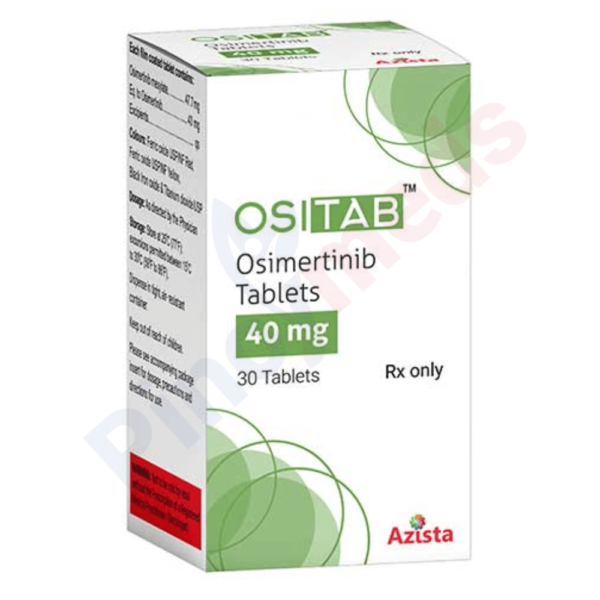
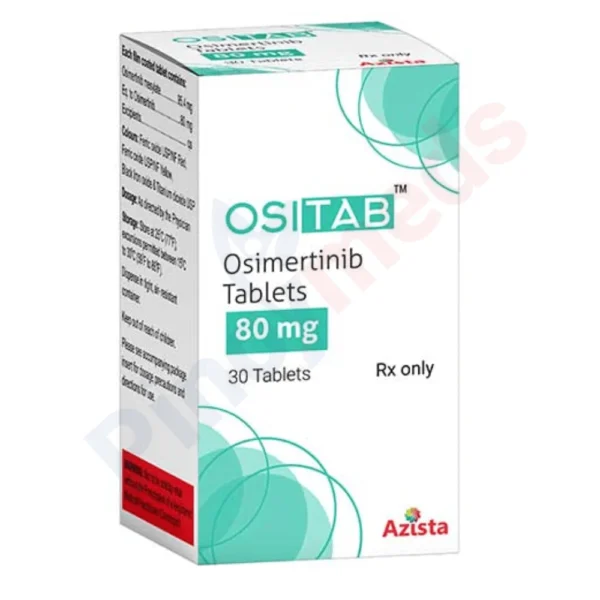
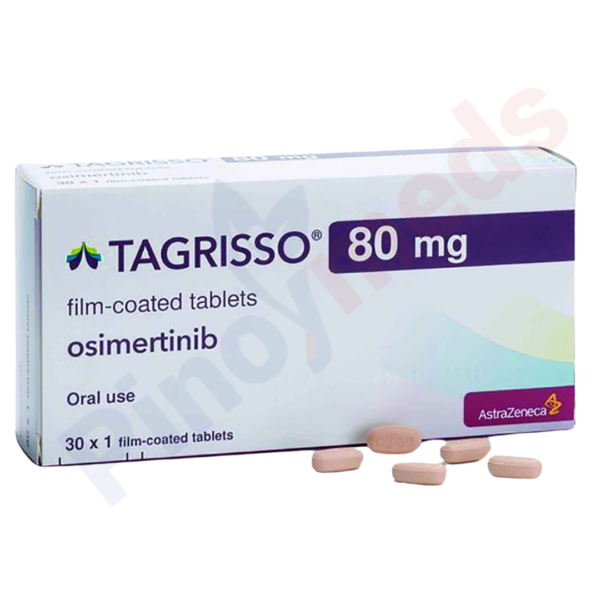
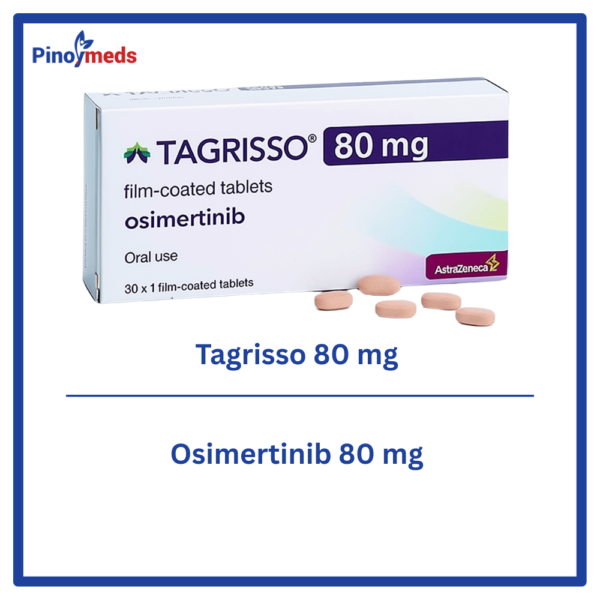
- Philippine FDA: Registered and approved, sold under the brand Tagrisso®.
- WHO Model List of Essential Medicines: This list is included due to its clinical effectiveness in treating advanced lung cancer.
Mode of Action
Osimertinib is a third-generation EGFR TKI that selectively binds to mutant EGFR with high specificity. It forms a covalent bond with the cysteine-797 residue in the EGFR kinase domain, effectively inhibiting downstream signaling pathways such as:
- PI3K/AKT/mTOR
- RAS/RAF/MEK/ERK
These pathways are critical in cancer cell proliferation and survival. By blocking them, osimertinib induces apoptosis and prevents tumor progression. Importantly, its selectivity for mutant over wild-type EGFR helps reduce side effects associated with earlier drugs.
Pharmacology
Pharmacokinetics
- Absorption: Peak plasma concentrations are reached approximately 6 hours after oral administration.
- Distribution: Extensive tissue distribution with a volume of distribution of ~918 L.
- Metabolism: Primarily metabolized by CYP3A enzymes into active metabolites AZ5104 and AZ7550.
- Elimination: Approximately 68% excreted via feces and 14% via urine.
Pharmacodynamics
Osimertinib exhibits high affinity for mutant EGFR forms, effectively inhibiting tumor growth in patients with EGFR-mutated non-small cell lung cancer (NSCLC). Its irreversible binding results in sustained suppression of EGFR signaling pathways.
Bioavailability & Half-life
- Bioavailability: Not significantly affected by food intake.
- Half-life: Approximately 48 hours, supporting once-daily dosing
Its Uses
Osimertinib plays a key role in modern lung cancer treatment, particularly for patients whose tumors are driven by specific genetic mutations in the epidermal growth factor receptor (EGFR) gene. It has significantly improved outcomes for patients with both early-stage and advanced disease.
Primary Uses
- Metastatic Non-Small Cell Lung Cancer (NSCLC)
- Used as a first-line treatment in patients whose tumors have EGFR exon 19 deletions or exon 21 (L858R) mutations.
- It has been shown to extend progression-free and overall survival compared to older EGFR inhibitors, including erlotinib and gefitinib.
- Data from the FLAURA trial demonstrated superior efficacy and fewer side effects.
- Treatment of T790M Mutation-Positive NSCLC
- Specifically approved for patients whose cancer has developed the T790M resistance mutation after prior EGFR-targeted therapy.
- In the AURA3 trial, osimertinib nearly doubled the median progression-free survival compared to platinum-based chemotherapy.
- Early-Stage (IB–IIIa) NSCLC – Adjuvant Therapy
- After complete surgical removal of tumors, osimertinib is used to reduce the risk of cancer recurrence.
- The landmark ADAURA trial demonstrated an 83% reduction in disease recurrence in patients with EGFR-mutated tumors who received osimertinib compared to those who received a placebo.
These uses are supported by major organizations, including the U.S. Food and Drug Administration (FDA), the European Medicines Agency (EMA), and Cancer Research UK, and have been published in journals such as Annals of Oncology and The New England Journal of Medicine.
Off-Label Uses
- Investigational research is ongoing to evaluate osimertinib’s potential in:
- EGFR-mutated cancers beyond lung, such as glioblastoma and colorectal cancer.
- Combination therapies with immunotherapy or chemotherapy for resistant cancers.
- Some clinicians are exploring personalized dosing strategies and dual EGFR/ALK blockade in cases with complex mutations.
How It Works
Osimertinib is designed to be highly selective—it targets only mutant forms of EGFR found in many lung cancers, sparing the healthy, wild-type version of the protein in normal cells.
Mechanism of Action (MoA)
- Binds Irreversibly: Osimertinib forms a permanent bond with the mutant EGFR protein, especially the T790M mutation, which often causes resistance to first- and second-generation EGFR inhibitors.
- Blocks Growth Pathways: It shuts down the EGFR signaling cascade (including PI3K/AKT and MAPK pathways), which stops tumor cells from growing, dividing, and spreading.
- Crosses the Blood-Brain Barrier: Unlike many cancer drugs, osimertinib effectively penetrates the central nervous system (CNS). This makes it helpful in treating or preventing brain metastases, a common complication in lung cancer.
Factors Affecting Effectiveness
- Genetic Testing: Accurate identification of EGFR mutations is essential before starting osimertinib.
- Drug Interactions: Osimertinib is metabolized by the CYP3A4 enzyme, so drugs that induce or inhibit this enzyme may affect its effectiveness.
- Resistance Mutations: Some tumors develop new mutations, such as C797S, which may reduce osimertinib’s binding ability, prompting research into fourth-generation tyrosine kinase inhibitors (TKIs).
Common Side Effects of Osimertinib
Like most targeted cancer therapies, Osimertinib may cause side effects. However, because it is more selective for mutant EGFR, it typically produces fewer and milder side effects than earlier EGFR inhibitors. Patients should be closely monitored and report any new symptoms to their healthcare provider.
Here’s a breakdown of the most frequently reported side effects, categorized by body system:
Gastrointestinal Side Effects
- Diarrhea – One of the most common side effects; can range from mild to moderate. Staying hydrated and adjusting diet can help.
- Nausea – Often mild; usually manageable with anti-nausea medications.
- Decreased Appetite – May lead to unintentional weight loss; nutritional support may be needed.
Tip: Regular meals and high-calorie snacks can help maintain strength during treatment.
Dermatologic (Skin and Nails)
- Rash – Appears mainly on the face, chest, or upper back. Typically mild, but can be itchy or irritating.
- Dry Skin – Skin may become flaky or rough; moisturizers and gentle cleansers are recommended.
- Nail Changes – Brittle nails, discoloration, or tenderness around the nail bed can occur.
Note: These side effects are usually manageable with topical treatments and do not typically require discontinuation of therapy.
Respiratory System
- Cough – A Persistent or dry cough is a commonly reported symptom.
- Interstitial Lung Disease (ILD) – A rare but potentially life-threatening complication. Signs include:
- New or worsening cough
- Shortness of breath
- Fever
If ILD is suspected, immediate discontinuation and urgent medical evaluation are required.
Cardiovascular
- QT Interval Prolongation – This is a heart rhythm issue detectable on an ECG. While rare, it can lead to serious arrhythmias if left unchecked.
Patients may require periodic ECGs, especially when taking other medications that can affect their heart rhythm.
Other Reported Effects
- Fatigue – A general feeling of tiredness that can interfere with daily activities.
- Headache – Typically mild and short-lived.
- Musculoskeletal Pain – Joint or muscle pain may occur in some patients.
Monitoring & When to Seek Help
Your healthcare team may recommend regular blood tests, ECGs, and lung function assessments to track for potential side effects.
Call your doctor immediately if you experience:
- Shortness of breath or sudden chest pain
- Severe diarrhea or dehydration
- Skin peeling, mouth ulcers, or signs of infection
- Signs of an allergic reaction (e.g., swelling, hives, difficulty breathing)
Clinical Trials & Approvals
Osimertinib has been evaluated in multiple clinical trials:
- AURA3 Trial: Demonstrated improved progression-free survival in patients with T790 M-positive NSCLC compared to platinum-based chemotherapy.
- FLAURA Trial: Showed superior efficacy of osimertinib as a first-line treatment over earlier-generation EGFR TKIs.
- ADAURA Trial: Highlighted the benefit of adjuvant osimertinib in early-stage EGFR-mutated NSCLC, leading to FDA approval for this indication.
For ongoing clinical trials involving osimertinib, please refer to the National Cancer Institute’s database.
References
DrugBank – Osimertinib Drug Profile Click here
Cleveland Clinic – Osimertinib Tablets Click here
WebMD – Tagrisso (Osimertinib) Oral Click here
Mayo Clinic – Osimertinib (Oral Route) Click here
MedlinePlus – Osimertinib Drug Information Click here
Medscape – Tagrisso (Osimertinib) MonographClick here
Showing all 8 results
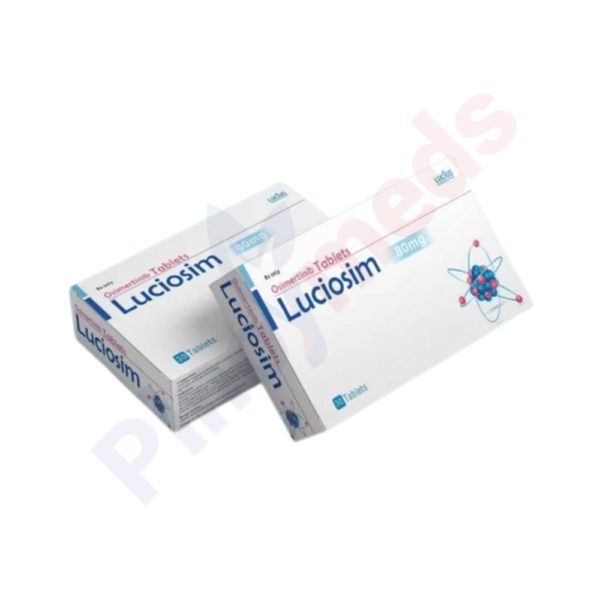

Osicent Osimertinib 80 mg Tablet
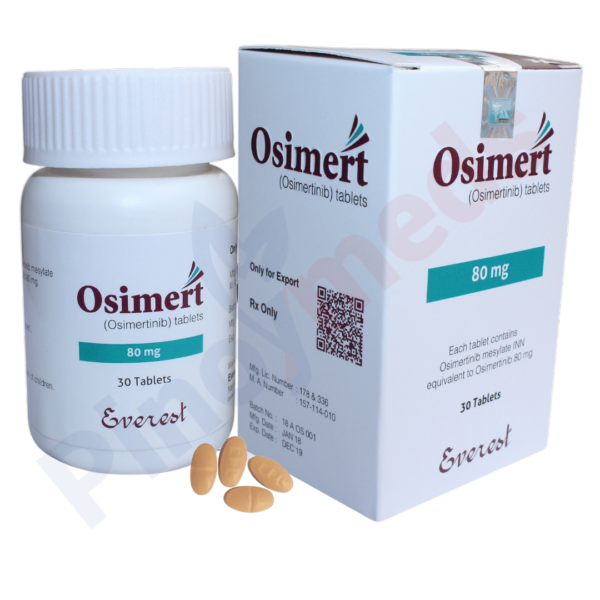
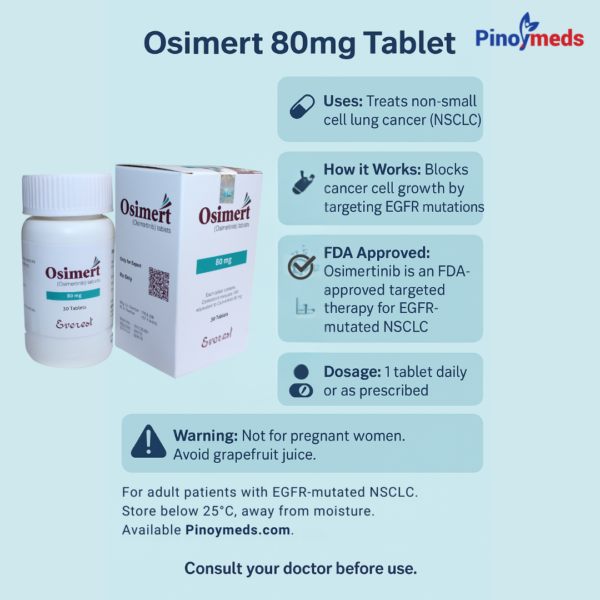
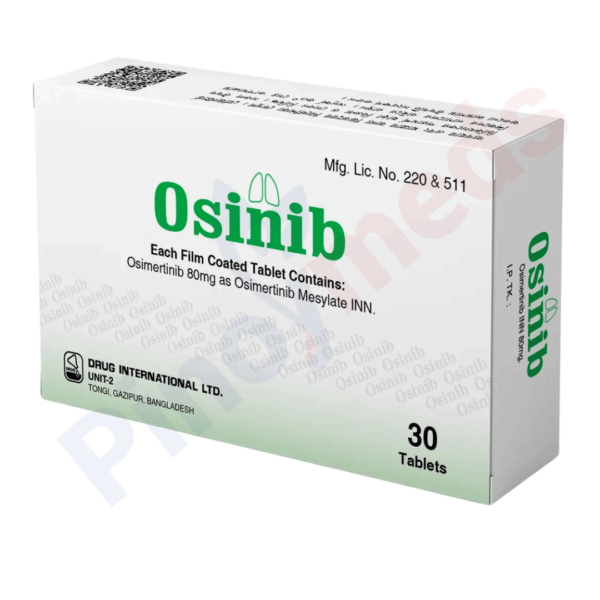
Osinib Osimertinib 80 mg Tablet
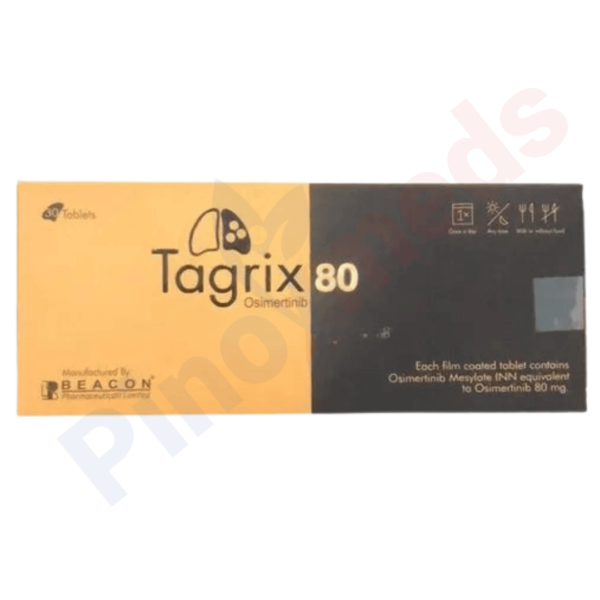
Tagrix Osimertinib 80 mg Tablet
- - Chemical Structure & Formula
- - Discovery & Development
- - Approval & Regulatory Status
- - Mode of Action
- - Pharmacology
- - Its Uses
- - How It Works
- - Common Side Effects of Osimertinib
- - Clinical Trials & Approvals
- - References
Last updated on 26-05-2025 21:56:21
Overview
Osimertinib belongs to a class of drugs known as epidermal growth factor receptor (EGFR) inhibitors. It is specifically engineered to target and irreversibly inhibit both the sensitizing EGFR mutations (e.g., exon 19 deletion and L858R) and the T790M resistance mutation that commonly emerges in patients undergoing earlier EGFR TKI therapies.
Chemical Structure & Formula
- Chemical Formula: C₂₈H₃₃N₇O₂
- Molecular Weight: 499.6 g/mol
Osimertinib is a small, orally bioavailable molecule characterized by its covalent binding capability to mutant forms of the EGFR. Its structure includes a Michael acceptor group, which allows irreversible inhibition of the EGFR kinase domain by forming a covalent bond with cysteine residue 797 (Cys797) in the ATP-binding pocket of the receptor.
Discovery & Development
Osimertinib was discovered and developed by AstraZeneca as part of a targeted approach to overcome resistance in patients with non-small cell lung cancer (NSCLC) who had developed the T790M mutation after first-line EGFR TKI treatment. Preclinical development began around 2013, with clinical trials showing early success in 2014.
The design of osimertinib was a significant step forward in precision oncology. It offers a more selective and better-tolerated treatment than earlier-generation EGFR inhibitors.
Approval & Regulatory Status
- U.S. FDA:
- Approved in November 2015 for T790 M-positive metastatic NSCLC.
- Approved in 2018 for first-line treatment of EGFR-mutated NSCLC.
- Approved in 2020 as adjuvant therapy in early-stage NSCLC after tumor resection (ADAURA trial).
- European Medicines Agency (EMA): Approved
- Philippine FDA: Registered and approved, sold under the brand Tagrisso®.
- WHO Model List of Essential Medicines: This list is included due to its clinical effectiveness in treating advanced lung cancer.
Mode of Action
Osimertinib is a third-generation EGFR TKI that selectively binds to mutant EGFR with high specificity. It forms a covalent bond with the cysteine-797 residue in the EGFR kinase domain, effectively inhibiting downstream signaling pathways such as:
- PI3K/AKT/mTOR
- RAS/RAF/MEK/ERK
These pathways are critical in cancer cell proliferation and survival. By blocking them, osimertinib induces apoptosis and prevents tumor progression. Importantly, its selectivity for mutant over wild-type EGFR helps reduce side effects associated with earlier drugs.
Pharmacology
Pharmacokinetics
- Absorption: Peak plasma concentrations are reached approximately 6 hours after oral administration.
- Distribution: Extensive tissue distribution with a volume of distribution of ~918 L.
- Metabolism: Primarily metabolized by CYP3A enzymes into active metabolites AZ5104 and AZ7550.
- Elimination: Approximately 68% excreted via feces and 14% via urine.
Pharmacodynamics
Osimertinib exhibits high affinity for mutant EGFR forms, effectively inhibiting tumor growth in patients with EGFR-mutated non-small cell lung cancer (NSCLC). Its irreversible binding results in sustained suppression of EGFR signaling pathways.
Bioavailability & Half-life
- Bioavailability: Not significantly affected by food intake.
- Half-life: Approximately 48 hours, supporting once-daily dosing
Its Uses
Osimertinib plays a key role in modern lung cancer treatment, particularly for patients whose tumors are driven by specific genetic mutations in the epidermal growth factor receptor (EGFR) gene. It has significantly improved outcomes for patients with both early-stage and advanced disease.
Primary Uses
- Metastatic Non-Small Cell Lung Cancer (NSCLC)
- Used as a first-line treatment in patients whose tumors have EGFR exon 19 deletions or exon 21 (L858R) mutations.
- It has been shown to extend progression-free and overall survival compared to older EGFR inhibitors, including erlotinib and gefitinib.
- Data from the FLAURA trial demonstrated superior efficacy and fewer side effects.
- Treatment of T790M Mutation-Positive NSCLC
- Specifically approved for patients whose cancer has developed the T790M resistance mutation after prior EGFR-targeted therapy.
- In the AURA3 trial, osimertinib nearly doubled the median progression-free survival compared to platinum-based chemotherapy.
- Early-Stage (IB–IIIa) NSCLC – Adjuvant Therapy
- After complete surgical removal of tumors, osimertinib is used to reduce the risk of cancer recurrence.
- The landmark ADAURA trial demonstrated an 83% reduction in disease recurrence in patients with EGFR-mutated tumors who received osimertinib compared to those who received a placebo.
These uses are supported by major organizations, including the U.S. Food and Drug Administration (FDA), the European Medicines Agency (EMA), and Cancer Research UK, and have been published in journals such as Annals of Oncology and The New England Journal of Medicine.
Off-Label Uses
- Investigational research is ongoing to evaluate osimertinib’s potential in:
- EGFR-mutated cancers beyond lung, such as glioblastoma and colorectal cancer.
- Combination therapies with immunotherapy or chemotherapy for resistant cancers.
- Some clinicians are exploring personalized dosing strategies and dual EGFR/ALK blockade in cases with complex mutations.
How It Works
Osimertinib is designed to be highly selective—it targets only mutant forms of EGFR found in many lung cancers, sparing the healthy, wild-type version of the protein in normal cells.
Mechanism of Action (MoA)
- Binds Irreversibly: Osimertinib forms a permanent bond with the mutant EGFR protein, especially the T790M mutation, which often causes resistance to first- and second-generation EGFR inhibitors.
- Blocks Growth Pathways: It shuts down the EGFR signaling cascade (including PI3K/AKT and MAPK pathways), which stops tumor cells from growing, dividing, and spreading.
- Crosses the Blood-Brain Barrier: Unlike many cancer drugs, osimertinib effectively penetrates the central nervous system (CNS). This makes it helpful in treating or preventing brain metastases, a common complication in lung cancer.
Factors Affecting Effectiveness
- Genetic Testing: Accurate identification of EGFR mutations is essential before starting osimertinib.
- Drug Interactions: Osimertinib is metabolized by the CYP3A4 enzyme, so drugs that induce or inhibit this enzyme may affect its effectiveness.
- Resistance Mutations: Some tumors develop new mutations, such as C797S, which may reduce osimertinib’s binding ability, prompting research into fourth-generation tyrosine kinase inhibitors (TKIs).
Common Side Effects of Osimertinib
Like most targeted cancer therapies, Osimertinib may cause side effects. However, because it is more selective for mutant EGFR, it typically produces fewer and milder side effects than earlier EGFR inhibitors. Patients should be closely monitored and report any new symptoms to their healthcare provider.
Here’s a breakdown of the most frequently reported side effects, categorized by body system:
Gastrointestinal Side Effects
- Diarrhea – One of the most common side effects; can range from mild to moderate. Staying hydrated and adjusting diet can help.
- Nausea – Often mild; usually manageable with anti-nausea medications.
- Decreased Appetite – May lead to unintentional weight loss; nutritional support may be needed.
Tip: Regular meals and high-calorie snacks can help maintain strength during treatment.
Dermatologic (Skin and Nails)
- Rash – Appears mainly on the face, chest, or upper back. Typically mild, but can be itchy or irritating.
- Dry Skin – Skin may become flaky or rough; moisturizers and gentle cleansers are recommended.
- Nail Changes – Brittle nails, discoloration, or tenderness around the nail bed can occur.
Note: These side effects are usually manageable with topical treatments and do not typically require discontinuation of therapy.
Respiratory System
- Cough – A Persistent or dry cough is a commonly reported symptom.
- Interstitial Lung Disease (ILD) – A rare but potentially life-threatening complication. Signs include:
- New or worsening cough
- Shortness of breath
- Fever
If ILD is suspected, immediate discontinuation and urgent medical evaluation are required.
Cardiovascular
- QT Interval Prolongation – This is a heart rhythm issue detectable on an ECG. While rare, it can lead to serious arrhythmias if left unchecked.
Patients may require periodic ECGs, especially when taking other medications that can affect their heart rhythm.
Other Reported Effects
- Fatigue – A general feeling of tiredness that can interfere with daily activities.
- Headache – Typically mild and short-lived.
- Musculoskeletal Pain – Joint or muscle pain may occur in some patients.
Monitoring & When to Seek Help
Your healthcare team may recommend regular blood tests, ECGs, and lung function assessments to track for potential side effects.
Call your doctor immediately if you experience:
- Shortness of breath or sudden chest pain
- Severe diarrhea or dehydration
- Skin peeling, mouth ulcers, or signs of infection
- Signs of an allergic reaction (e.g., swelling, hives, difficulty breathing)
Clinical Trials & Approvals
Osimertinib has been evaluated in multiple clinical trials:
- AURA3 Trial: Demonstrated improved progression-free survival in patients with T790 M-positive NSCLC compared to platinum-based chemotherapy.
- FLAURA Trial: Showed superior efficacy of osimertinib as a first-line treatment over earlier-generation EGFR TKIs.
- ADAURA Trial: Highlighted the benefit of adjuvant osimertinib in early-stage EGFR-mutated NSCLC, leading to FDA approval for this indication.
For ongoing clinical trials involving osimertinib, please refer to the National Cancer Institute’s database.
References
DrugBank – Osimertinib Drug Profile Click here
Cleveland Clinic – Osimertinib Tablets Click here
WebMD – Tagrisso (Osimertinib) Oral Click here
Mayo Clinic – Osimertinib (Oral Route) Click here
MedlinePlus – Osimertinib Drug Information Click here
Medscape – Tagrisso (Osimertinib) MonographClick here
Related Posts:
No matching posts found.